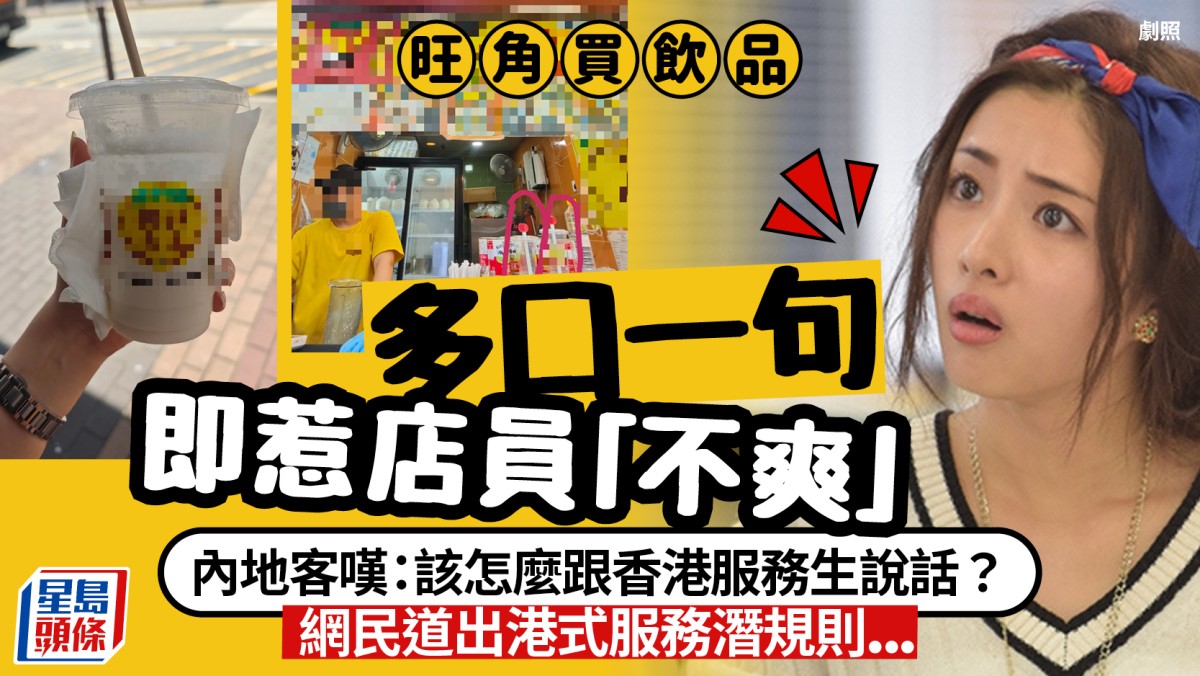
Mainland Tourist Faces Service Dispute at Mong Kok Coconut Drink Shop
A mainland Chinese tourist visiting Hong Kong during the October 2026 Golden Week holiday reported a confrontation at a popular Mong Kok coconut juice shop, where a simple request to exclude toppings triggered an argument with staff.
The Mong Kok Coconut Juice Dispute
The tourist stated she visited the shop after observing two local customers order in Cantonese, requesting extra pearls in their drinks. When it was her turn, the traveler asked for a small drink with “nothing added.” According to the traveler’s account, the staff member expressed immediate irritation, stating that adding ingredients costs extra. When the customer clarified she was not asking for additional items, the staff member replied, “You don’t need to say so much; if you don’t pay for extras, I won’t give you any anyway.”
The situation escalated when the customer attempted to pay for the small drink. The staff member paused, then informed the customer that small cups were no longer available, leaving only medium-sized cups that required a price adjustment. The traveler noted that the two local customers ahead of her had been served small cups, leading her to question the sudden change in availability. She ultimately paid the difference for a medium drink but later observed that the volume of the beverage appeared consistent with a small serving.

Communication Styles in High-Tempo Environments
The incident has prompted significant debate among online observers regarding the pace of service in Hong Kong. Some commenters argued that the tourist’s attempt to be overly specific was perceived as unnecessary “chatter” by staff accustomed to a rapid, direct transaction style. The consensus among many local users is that in busy urban districts like Mong Kok, customers are expected to order by basic item name only, as toppings are typically considered exceptions rather than the norm.
Others suggested that the staff member’s reaction was indicative of the standard service culture in the city. Some users pointed out that local residents have long grown accustomed to a direct, sometimes curt service style, and that requesting “nothing” in a drink is often viewed as redundant information that slows down the workflow during peak hours.
Retailers Struggle to Balance Speed with Visitor Satisfaction
This event highlights the ongoing challenges in managing service expectations during peak tourist periods. Businesses operating in high-traffic retail areas often manage significant volume, requiring staff to prioritize speed to prevent queues from obstructing pedestrian flow. For businesses struggling to balance high transaction speeds with visitor satisfaction, consulting with retail service management professionals can provide strategies for training staff to handle cross-cultural communication gaps without escalating tensions.
When disputes over service quality or perceived unfair treatment arise, consumers in Hong Kong have access to various resources to address their concerns. If a customer believes they have been misled regarding pricing or portion sizes, they may seek guidance from local consumer protection organizations, which offer mediation services for disputes between the public and retail establishments.
The tension between the traveler’s expectation of service and the store’s operational culture remains a point of friction as visitor numbers fluctuate. For establishments aiming to maintain high service standards while managing intense customer volume, professional customer service training firms often provide the necessary framework to ensure staff maintain professionalism even during high-pressure holiday cycles.