
UK Home Secretary Unveils New Asylum Routes, faces Backlash Over Potential Cuts to Family Support
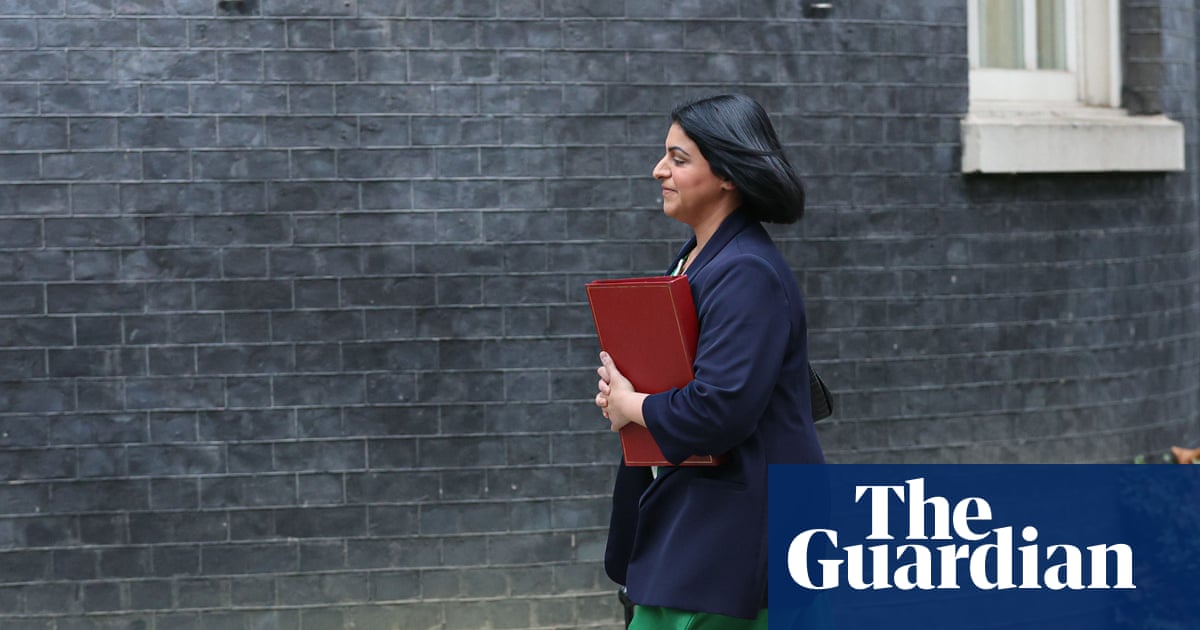
LONDON – UK Home Secretary Shabana Mahmood announced a series of new “safe and legal routes” for refugees fleeing conflict, alongside proposals to potentially remove financial support from families with children whose asylum claims have been denied, sparking immediate criticism from refugee advocates and opposition parties. The policies, detailed in a Home Office document published Monday, aim to deter hazardous crossings of the English Channel while offering limited pathways for those displaced by war and persecution.
The new schemes include provisions for accommodation for those fleeing war,a program for “talented and skilled individuals displaced by conflict” seeking employment in Britain,and a study route allowing students facing persecution to continue their education in the UK. Mahmood stated her intention is “to stop people getting on boats,” by offering viable alternatives to irregular migration.
Though, the scale of these new routes will be limited. Mahmood indicated an initial intake of “a few hundred” individuals, with plans for growth over time, and confirmed the routes will be subject to an annual cap. Prioritization will be given to individuals identified by the UN Refugee Agency (UNHCR).
The UNHCR has cautioned the government against conflating refugees with economic migrants. Vicky Tennant, UNHCR’s UK representative, emphasized the need for “a stable status that allows them to rebuild their lives and reunite with their families, while a long-term, durable solution is sought,” warning that “short-term stay arrangements and stringent limitations on refugee family reunion often create prolonged uncertainty and despair, undermining integration and social cohesion.”
Alongside the new routes, the Home Office is consulting on measures to withdraw financial support from families with children under 18 if their asylum claims are unsuccessful. The policy document argues the current system “creates especially perverse incentives,” suggesting some believe the risks of dangerous crossings are outweighed by the benefits of establishing a family presence in the UK to avoid removal.
This aspect of the policy has drawn sharp condemnation. Labor peer Alf Dubs, himself a child refugee who fled the Nazis and was welcomed to the UK, described the proposal as “a shabby thing,” arguing “there is a proper case for children, there is a proper case for family reunion when there are children who are on their own.” He accused the Home Secretary of “using children as a weapon.”
The announcement comes amid ongoing debate over the UK’s immigration policies and the handling of asylum claims. The government maintains its approach is necessary to control illegal immigration, while critics argue for a more compassionate and comprehensive response to the global refugee crisis.
