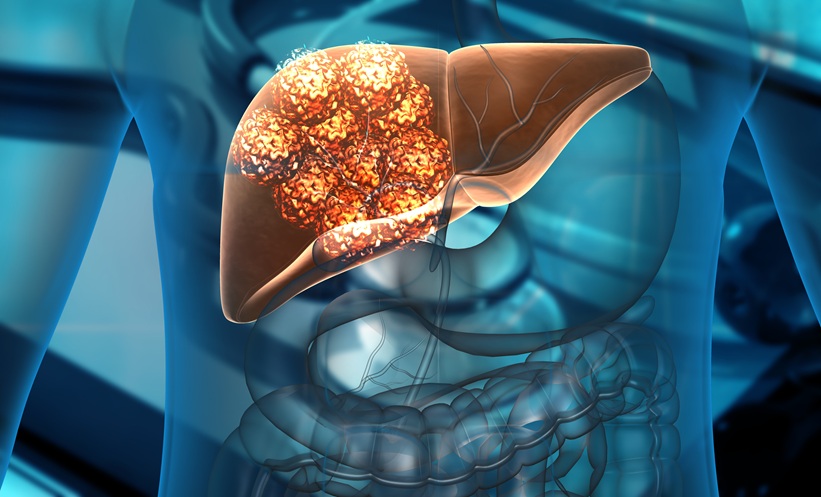
Machine Learning Could Improve Hepatocellular Carcinoma Risk Prediction
Machine learning approaches could improve hepatocellular carcinoma risk prediction in patients with chronic hepatitis B, potentially enabling more individualised surveillance by incorporating clinical, virological, treatment-related, and imaging data.
Although antiviral therapy has improved outcomes, the risk of developing hepatocellular carcinoma remains, highlighting the need for more accurate risk stratification approaches.
Traditional prognostic tools depend on general clinical groupings and standard risk metrics, which often fail to fully reflect fluctuating risk or the intricate details of unique patient cases.
Standard risk scoring systems can struggle to properly represent the complex, nonlinear connections among risk factors, shifts in a patient’s medical condition, or the interplay between numerous variables. Consequently, patients with chronic hepatitis B may have considerably different risks despite falling within similar clinical categories.
Machine learning approaches offer an alternative through their ability to spot intricate trends among numerous data points and factor in how risk evolves as time passes.
This could support more personalised risk assessment across different stages of management, including during antiviral treatment and following hepatitis B surface antigen clearance. Reviewed models incorporated clinical characteristics, virological markers, treatment-related information, imaging findings, and data collected longitudinally to provide a more comprehensive assessment than conventional models.
However, researchers identified important methodological concerns. Most evaluated models were considered at high risk of bias within the analysis domain, which may affect the reliability and generalisability of their predictions. None of the machine learning models evaluated had undergone prospective clinical validation.
Moon Haeng Hur, Jeong-Hoon Lee, and Yoon Jun Kim searched PubMed and MEDLINE from inception until July 1, 2026.
The authors appraised the included models using a structured approach informed by PROBAST+AI and TRIPOD+AI. Their findings were reported in Hepatology International in 2026.
Researchers emphasised that future work should prioritise dynamic prediction, multimodal data integration, external validation, calibration, interpretability, fairness, and cost effectiveness. Future studies must also establish whether these models can meaningfully improve surveillance decisions and patient outcomes before prospective evidence supports clinical implementation.