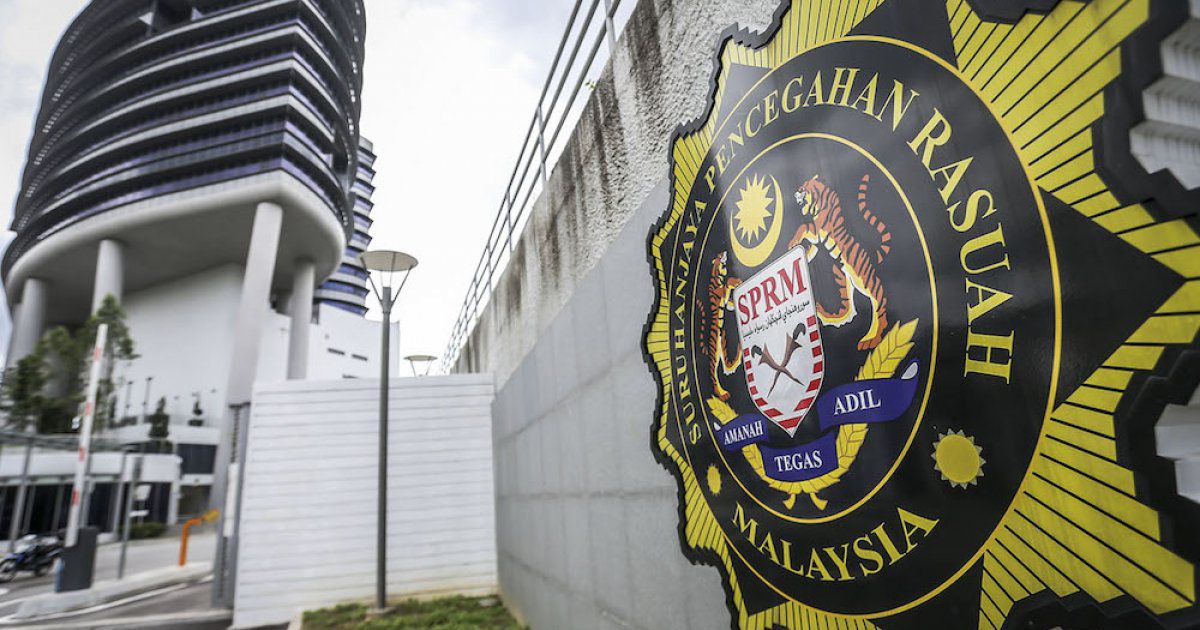
MACC Says It Opened Internal Inquiry, Decided Not to Continue Cooperating With Kiwan
Malaysia’s anti-corruption commission has opened an internal inquiry into allegations made by businessman Bachar Kiwan, who was interviewed at its Putrajaya headquarters on Wednesday, it stated a day after the meeting.
The Malaysian Anti-Corruption Commission (MACC) review follows a directive from the commission’s Chief Commissioner, who ordered a thorough examination to determine what action to take, according to the statement cited by Sinar Harian on Tuesday.
The controversy began earlier. Sarawak Report had raised questions since August 16 about a proposed reward for Kiwan after he offered cooperation in helping recover 1MDB assets alleged to have been channeled through Kuwait, according to Sinar Harian.
“Every discussion was also attended by a representative of the Attorney-General’s Chambers, and this does not mean the MACC recognizes any demands or status on his part.”
The waters grew murkier on Wednesday. Businessman Albert Tei traveled to the MACC’s Putrajaya headquarters that day to lodge a complaint over the matter, and the commission recorded his statement, Kosmo! reported. The commission said it remains open to any party wishing to file complaints with any enforcement agency, including the Royal Malaysia Police.
Sessions with Kiwan called routine, watchdog says
The MACC moved quickly to reframe its dealings with Kiwan, saying meetings between commission officers and the businessman were part of ordinary investigative practice to review and verify the information he provided about the 1Malaysia Development Berhad asset-recovery effort, per Kosmo!
It drew a line around his legal standing. “For the record, Bachar was not categorized as an individual protected under the Whistleblower Protection Act 2010, and this was conveyed to him during the meeting on December 2, 2025,” the statement said.
The commission rejected the reward allegations outright. It said the document in question was only a draft of terms submitted by Kiwan’s side, one that was never agreed to or signed by the commission.

On lawyers, the commission was blunt: it was never involved in the appointment of counsel because that fell outside its jurisdiction, and the withdrawal of the law firm concerned was that firm’s own decision.
Why Kiwan’s information stopped mattering
The pivot came through official channels. The MACC said it decided not to continue cooperating with Kiwan after it obtained official documents and valid records from Kuwaiti authorities through a Mutual Legal Assistance request, Sinar Harian reported, according to Kosmo. With that paperwork in hand, the information he offered was no longer the main requirement of the investigation.
That detail sits at the center of the dispute. Sarawak Report’s reporting questioned a proposed reward for Kiwan tied to his cooperation in recovering 1MDB assets allegedly routed through Kuwait, Sinar Harian reported.
What the commission says it will do
The MACC committed to cooperation across agencies. It expressed willingness to give full assistance to any enforcement agency, including the Royal Malaysia Police, to help investigations into the matter, and it stressed that all allegations must be examined transparently and in accordance with the law.

The internal inquiry is itself a response to the political temperature. The Chief Commissioner’s directive for a comprehensive review was issued so that appropriate actions and steps could be taken, according to the statement carried by Sinar Harian and corroborated by Astro Awani.
The Malaysian outlets covering the statement reported largely identical core claims, differing mainly in dateline and wording, with none of them carrying an independent comment from Kiwan himself.
Where the 1MDB recovery effort stands
For readers following the money, the sequence matters. A whistleblower-style claim about an asset-recovery reward, a draft terms document, a withdrawn law firm and a taped complaint from a second businessman now all sit inside one internal MACC review.
The MACC gave no timeline for completing the internal review, and none of the four reports set out a date for the next step. The commission said the Wednesday complaint from Albert Tei was recorded, and that its doors remain open to further complaints through established channels.
The open question is a plain one: the draft reward terms were never signed, the commission says, but who proposed them, and on whose behalf, remains unexplained in the statement. “All allegations must be examined transparently and in accordance with the law,” the commission said.