
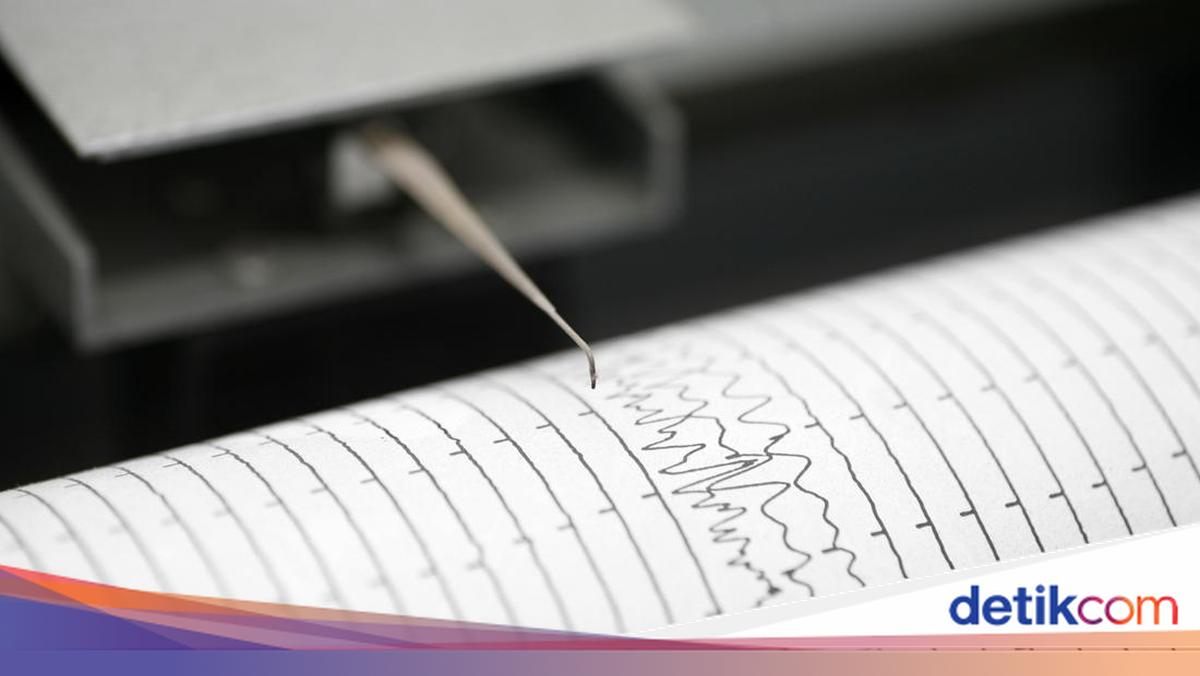
M4.6 Earthquake Shakes Sukabumi Triggered by Active Underwater Fault
A magnitude 4.6 earthquake struck the Sukabumi region on May 17, 2026, triggered by an active underwater fault. The tremors were widely felt in Pelabuhan Ratu and Ciwidey, prompting immediate concern regarding seismic stability in West Java. While no immediate large-scale destruction was reported, the event highlights the persistent geological risks posed by plate subduction in the Indonesian archipelago.
For the residents of Sukabumi and the surrounding districts, the sudden vibration of the earth is more than a momentary fright; it is a stark reminder of the precarious relationship between human settlement and the volatile tectonic forces beneath the Java Sea. As the initial shock subsides, a more complex problem emerges: the invisible toll that even moderate seismic events can take on regional infrastructure, coastal stability, and the long-term integrity of the built environment.
The Mechanics of a Submerged Threat
The Indonesian Meteorological, Climatological, and Geophysical Agency (BMKG) has identified the primary driver behind this latest disturbance. Unlike many terrestrial quakes caused by land-based fault lines, this M 4.6 event was specifically linked to an active underwater fault. This distinction is critical for regional planning and disaster preparedness.

Geological data suggests that the movement was a result of complex interactions within the subduction zones that define the region’s geography. The interaction between tectonic plates—where one is forced beneath another—creates immense pressure that is periodically released through seismic waves. In the case of Sukabumi, the presence of an active fault beneath the seabed adds a layer of unpredictability to the local seismic profile.
The reach of the tremor was notable, extending from the coastal reaches of Pelabuhan Ratu to the inland highlands of Ciwidey. This wide dispersal of energy demonstrates how seismic waves can travel through varying geological strata, affecting both maritime-adjacent communities and mountainous agricultural zones.
The activation of underwater faults presents a unique challenge for coastal monitoring and structural assessment, as the source of the energy is often obscured by the marine environment.
Assessing the Seismic Footprint
The following table outlines the recent seismic activity recorded in the West Java vicinity, illustrating the frequency of minor to moderate movements in the region:
| Magnitude | Primary Location | Reported Cause/Context |
|---|---|---|
| 4.6 | Sukabumi | Active underwater fault |
| 3.5 | Sukabumi | Plate subduction activity |
| 2.5 | Bandung Regency | Localized tectonic movement |
| 1.7 | Bandung Regency | Localized tectonic movement |
While the smaller tremors in the Bandung Regency may seem negligible in comparison, the cumulative effect of these movements suggests a highly active tectonic corridor. This persistent activity necessitates a proactive approach to municipal safety and private property maintenance.
The Hidden Problem: Structural Fatigue and Economic Risk
The true danger of a magnitude 4.6 earthquake often lies not in the immediate collapse of buildings, but in the subtle, cumulative damage known as structural fatigue. For older masonry buildings in Sukabumi or commercial structures in the tourism-heavy Pelabuhan Ratu, even moderate shaking can create micro-fissures in foundations and load-bearing walls. These weaknesses may remain invisible to the naked eye but can lead to catastrophic failure during a future, larger seismic event.
This creates a significant logistical and financial burden for property owners and local governments alike. Addressing these vulnerabilities requires specialized knowledge that goes beyond standard construction.
In the wake of such events, the following professional services become essential for community resilience:
- Structural integrity assessments: Engaging structural engineering consultants to identify micro-fractures and assess the safety of residential and commercial buildings.
- Insurance and liability management: Navigating the complexities of earthquake coverage and property damage claims through specialized insurance adjusters.
- Urban planning and retrofitting: Working with disaster management specialists to implement seismic-resistant building codes in rapidly developing coastal zones.
the economic implications for the region’s coastal industries cannot be overlooked. Pelabuhan Ratu serves as a vital hub for fishing and tourism. Any perceived instability in the seafloor or the coastline could impact maritime operations and investor confidence in local hospitality infrastructure.
A Call for Regional Preparedness
As the BMKG continues to monitor the underwater fault activity, the focus must shift from reactive emergency response to long-term mitigation. The geological reality of West Java is unchangeable; the subduction of tectonic plates is a permanent feature of the landscape. The only variable within human control is our level of preparedness.

Local authorities and private sector leaders must prioritize the reinforcement of critical infrastructure—such as bridges, water systems, and power grids—that could be compromised by subsequent tremors. The link between geological stability and economic continuity is absolute; a single major event could disrupt the supply chains and tourism revenue that the Sukabumi and Bandung regions rely upon.
The May 17 earthquake serves as a diagnostic tool, revealing the current state of our regional resilience. It is an opportunity to identify the cracks in our systems—both literal and metaphorical—before they widen. For those managing assets in these high-risk zones, the time to consult with legal and risk management experts to ensure compliance with updated seismic safety regulations is now, not after the next tremor.
The earth in West Java will continue to move. The question remains whether our structures and our systems are built to move with it, or if they are destined to break under the inevitable pressure of the plates below.