
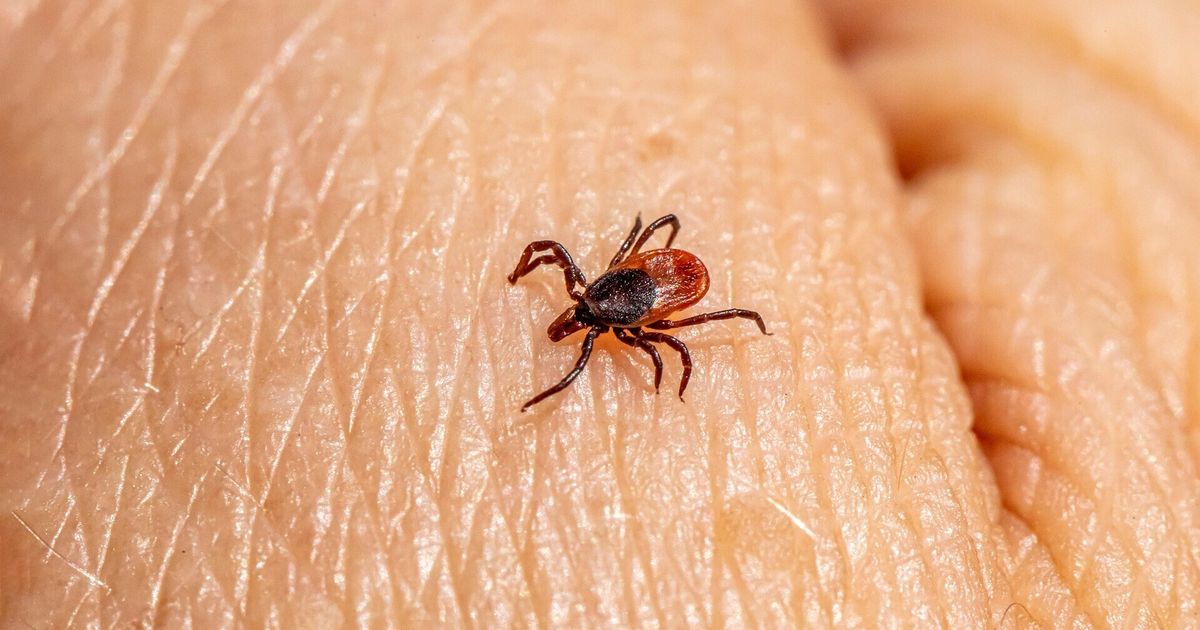
Frequent Tick Bites? Amsterdam UMC Researchers seek Volunteers for Lyme Disease Immunity Study
Amsterdam, Netherlands – Researchers at the Amsterdam UMC Lyme disease center are actively recruiting participants for a novel study investigating potential immunity developed through repeated tick exposure. The “Tick React” research aims to understand why some individuals appear less susceptible to Lyme disease after multiple tick bites, a phenomenon observed in both animal studies and population screenings.
Lyme disease, caused by the bacterium Borrelia burgdorferi, affects 2-3% of people bitten by infected ticks. However, some individuals and animals develop an immune response following repeated tick bites, making it harder for ticks to feed and perhaps reducing disease transmission. Animal research indicates this response targets substances in tick saliva, causing ticks to release or die faster.
The current study focuses on two groups: individuals who frequently experience tick bites and exhibit a strong physical reaction – such as itching and a local skin rash – and a control group with no known history of tick bites. Researchers hypothesize that a reaction to the bite site may correlate with a lower risk of infection. Preliminary data from the center’s earlier “Tick Me Study” suggests people develop a reaction at the bite location after repeated tick exposure.
Participants will be exposed to ticks rigorously tested to ensure they are free of pathogens. The examination includes blood samples, skin observations, and small skin biopsies, with follow-up assessments at three weeks and three months post-exposure.The research is scheduled for two periods in October.
Interested individuals,notably those who notice ticks release quickly or die after biting,are encouraged to visit the Amsterdam UMC Lyme Center website for more details: https://www.amsterdamumc.nl/nl/lyme/onderzoek/tick-react.htm.
