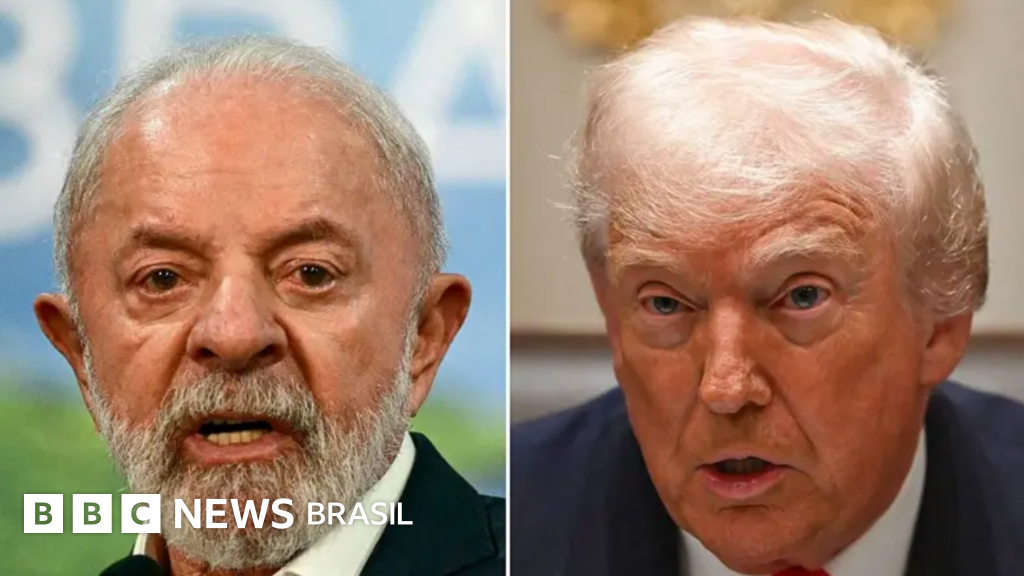
Lula and Trump Hold First Call to Discuss Trade Tariffs and Organized Crime
Brazilian President Luiz Inácio Lula da Silva and U.S. President Donald Trump held their first telephonic conversation after months of crisis, marking a potential thaw in diplomatic relations following months of intense trade friction. The dialogue focused on addressing bilateral tariff disputes and establishing a framework for joint cooperation against organized crime.
The Diplomatic Pivot: Moving from Confrontation to Negotiation
The call, which occurred after a prolonged period of silence between the two leaders, reportedly surprised the Brazilian delegation. According to reporting from UOL, President Lula noted that he was taken aback by the tone adopted by President Trump during the conversation.
During the discussion, Lula specifically addressed the recent levies placed on Brazilian exports, labeling the justification for these measures as being based on misinformation. The conversation has now paved the way for concrete diplomatic action.
Establishing a Bilateral Trade Roadmap
Diplomatic channels are moving quickly to capitalize on this initial contact. Government officials from both nations are scheduled to meet next week to discuss the specific mechanisms behind the recent “tariff surge.” The objective is to establish a clearer regulatory environment for trade between the two largest economies in the Americas.

Security Cooperation as a Diplomatic Bridge
Beyond commerce, the call signaled an attempt to realign the nations on security issues. President Lula emphasized that he proposed a joint initiative to combat organized crime, a move that suggests Brazil is seeking to broaden the scope of the bilateral relationship beyond mere trade figures.
The Economic Outlook: What Comes Next
As the international community watches these negotiations unfold, the reality remains that diplomatic shifts are rarely instantaneous. The path from a single phone call to a solidified trade agreement is fraught with bureaucratic hurdles and political maneuvering. The long-term stability of this relationship will hinge not on the tone of a single conversation, but on the willingness of both administrations to provide the transparency required to de-escalate the current trade crisis.
The coming weeks will reveal whether this dialogue represents a genuine shift in policy or merely a temporary cooling of rhetoric. For stakeholders, the mandate is clear: prepare for a period of continued negotiation and ensure that legal and operational safeguards are firmly in place.