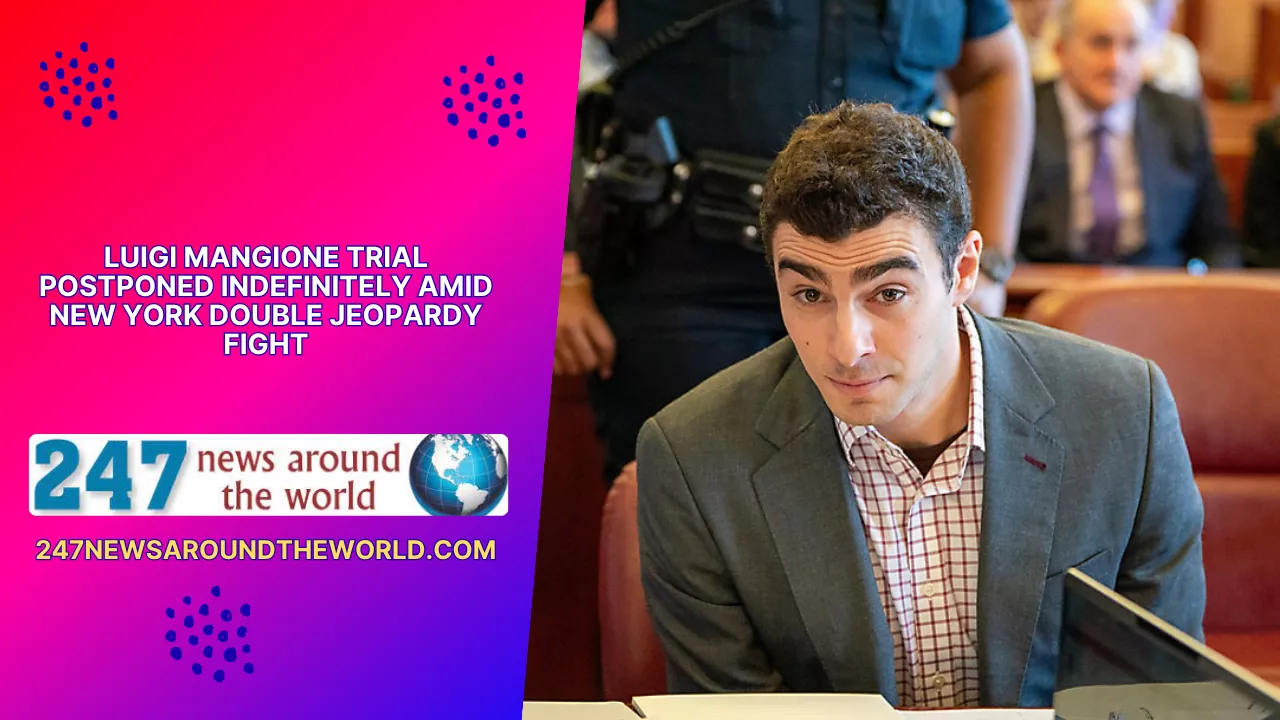
Luigi Mangione Trial Postponed Amid New York Double Jeopardy Dispute
Luigi Mangione’s New York state murder trial was postponed on Monday, August 18, 2026, after his defense team filed a double jeopardy motion following a federal guilty plea in the 2024 killing of UnitedHealthcare CEO Brian Thompson. New York State Supreme Court Justice Gregory Carro put proceedings on hold to allow prosecutors time to respond to the dismissal bid, shifting the legal focus to complex constitutional questions.
The Double Jeopardy Defense and Federal Guilty Plea
The legal friction began last week when Luigi Mangione stood in a Manhattan federal court and pleaded guilty to interstate stalking resulting in death and stalking through use of interstate facilities resulting in death. Following that federal admission, Mangione’s defense team swiftly filed a 32-page motion in New York state court. According to CBS News, the filing argued for the dismissal of remaining state charges—including second-degree murder, weapons, and forgery counts—by framing the defendant as a pawn in parallel prosecutions.

During the Friday court appearance preceding the state delay, Mangione detailed his plan to kill Thompson. He admitted to fatally shooting the executive on a Manhattan street outside a corporate investor conference on December 4, 2024. Mangione told the court he acted out of frustration with his own experiences within the healthcare system. He further revealed that he posed as an investor managing over $50 billion in assets in an email to UnitedHealthcare leadership simply to confirm the conference location.
The state-level trial had originally been scheduled to begin on September 8, 2026. However, Justice Carro stepped in on Monday to establish a briefing schedule. Prosecutors must file their response to the double jeopardy motion by October 9, while the defense has until October 30 to reply. A subsequent court date is locked in for December 10, pushing any potential state courtroom showdown well past the autumn schedule.
Legal Scrutiny of New York State Statutes
Legal analysts note that New York maintains a defendant-friendly double jeopardy statute. New York law restricts successive prosecutions for the same course of conduct. Jessica Levinson, a professor at Loyola Law School in Los Angeles, explained to CBS News that the defense intends to demonstrate that the federal stalking charges and state murder counts stem from an identical factual foundation.

Conversely, the prosecution is expected to lean on statutory carve-outs. Under state law, exceptions apply when the precise legal elements of federal stalking charges differ substantially from the elements of intentional second-degree murder. Rich Schoenstein, a legal expert who spoke on the matter, characterized the dispute as a live legal argument with distinct elements and focal points.
The Manhattan District Attorney’s office declined to comment directly on Monday regarding its ultimate trial strategy. However, a spokesperson stated on Friday that the office remains fully prepared to litigate the dismissal motion and stays committed to seeking justice for Brian Thompson and his family. A source familiar with internal discussions told NBC News that prosecutors intend to contest the double jeopardy motion until the sentencing outcome of the federal case is formally rendered.
Timeline of Upcoming Federal and State Proceedings
The intersection of federal and state dockets creates a staggered timeline that will extend well into the winter months. Mangione’s federal sentencing is officially scheduled for December 18, where he faces up to life in prison. Prosecutors in the federal case have made it clear they will seek a life term. Meanwhile, the family of Brian Thompson expressed relief that the federal justice system held Mangione accountable, stating their hope that the forthcoming sentencing reflects the severity of the crime.
No matter how Justice Carro rules on the double jeopardy dismissal motion, legal observers expect further procedural roadblocks. Either side retains the legal right to appeal an adverse ruling, meaning the ultimate fate of the New York state murder trial remains uncertain.
As the legal teams prepare their substantive briefs for the October deadlines, the courtroom battle over concurrent jurisdiction highlights the enduring complexities of modern multi-jurisdictional prosecutions.