
Unearthing a Family Secret: The Making of “Luck of Pinos“
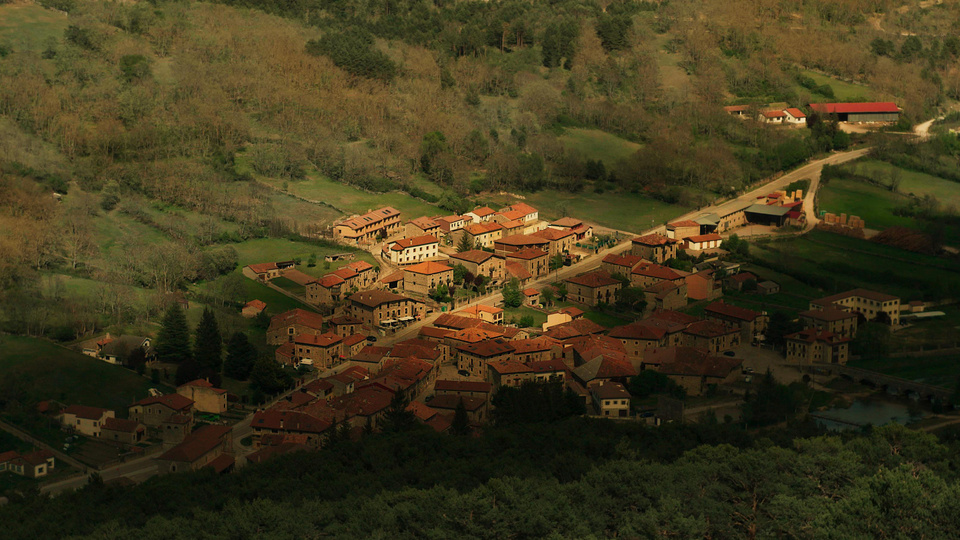
director and screenwriter, Muñoz, embarked on a deeply personal journey to uncover the truth behind a decades-old double femicide within her own family history, culminating in the documentary “Luck of Pinos.” The story, passed down through generations - from grandmother to mother to daughter - was always shrouded in secrecy and fear, discussed in hushed tones during family gatherings. Muñoz recalls a childhood captivation with the abandoned house in Salduero, the town central to the tragedy, fueled by fragmented and fantastical tales. She first learned a more complete version of the story around the age of 15-18.
Driven by a desire to understand the past, Muñoz made a dozen trips to Salduero, meticulously collecting testimonies and any element that could illuminate the events. The discovery of the official case file proved pivotal in completing the narrative. Though, bringing the project to fruition required significant effort in securing funding. “Luck of Pinos” ultimately received support from several sources, including awards and participation in the Cannes Doc Festival in 2022, and crucially, from the National Institute of Cinema Yermedia, which also provided co-production support.
The film’s creation wasn’t without its challenges. Muñoz encountered resistance from within Salduero itself, with some residents, including the mayor, actively attempting to prevent the documentary’s production. They feared the dark history would tarnish the town’s current image and its burgeoning tourism in the castilla y León region. Despite this opposition, Muñoz received invaluable assistance from a smaller group of locals.At the Malaga festival premiere, where the documentary competed, three residents who had aided the film were invited and, deeply moved by the screening, one publicly apologized to Muñoz on behalf of the town. Muñoz believes the resistance stemmed from a lingering “sociological Franco” mentality prevalent throughout the region, and even wider Spain.
Perhaps the most difficult hurdle was gaining her mother’s consent to participate. It took years of patient persuasion before her mother agreed to be filmed, sharing her recollections on camera. Muñoz emphasized that she only wanted her mother to speak honestly, without any pressure to portray a specific character. “You don’t have to say anything other than what you think,” she explained. Another significant obstacle was securing access to the official case file, a process that puzzled colleagues in other Spanish archives, such as those in Guadalajara.
“Luck of Pinos” represents Muñoz’s most personal project to date. She consciously chose to appear on screen as the researcher, reflecting the film’s real-time investigative process. The experience proved profoundly impactful, leaving her deeply affected by the discoveries made throughout the film and fostering a renewed closeness with her mother.
