
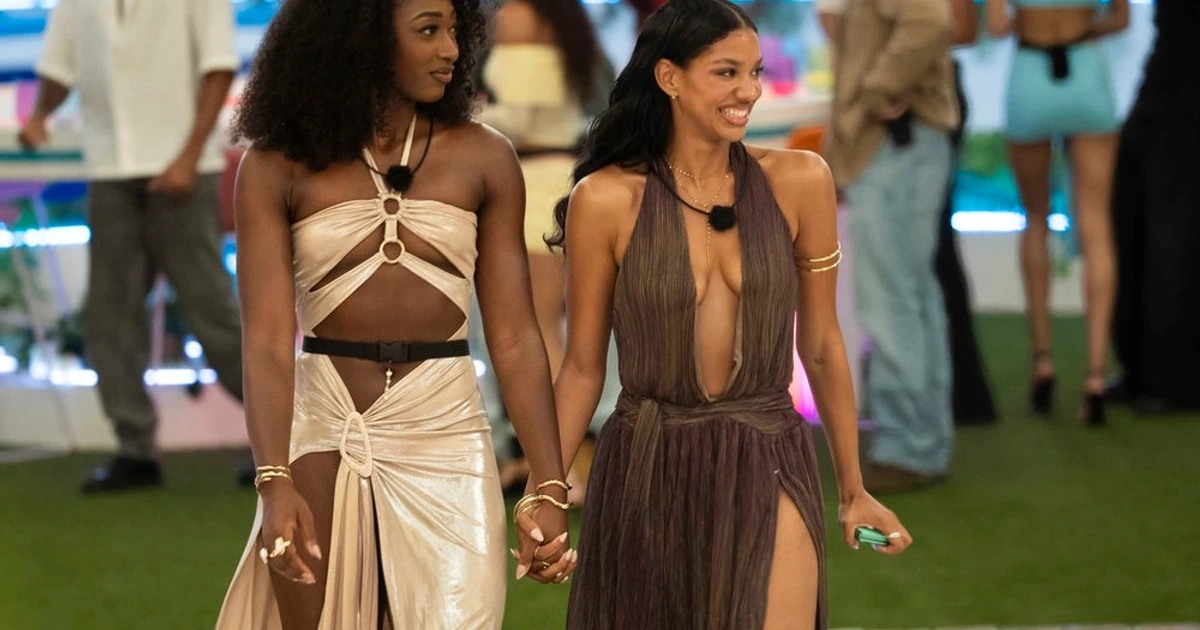
Love Island USA Season 8: Why Viewers Are Calling Out Colorism
As of June 12, 2026, the eighth season of Love Island USA has sparked a national debate regarding colorism in reality television, with viewers labeling the production “Brown Paper Bag Island.” The controversy centers on the consistent exclusion of dark-skinned contestants from romantic success, mirroring systemic bias in modern dating.
The Mechanics of Desirability Politics
The term “Brown Paper Bag Island,” trending across social media platforms like TikTok, references a historical discriminatory practice where establishments used the color of a paper bag to determine entry for Black patrons. In the context of the 2026 season, viewers are observing a similar exclusionary pattern within the villa in Fiji.

During the June 2026 premiere, contestants were tasked with standing behind the door of the person they found most attractive. KC, a 23-year-old dark-skinned contestant, was left standing alone at the fire pit, a scene that set the trajectory for the season. Despite a casting pool that includes more diverse skin tones than in previous years, the mid-season introduction of “bombshell” contestants has favored white or light-skinned individuals, reinforcing what sociologists call “desirability politics.”
According to the NAACP, the representation of Black individuals in media often relies on narrow, Eurocentric beauty standards that marginalize those with darker complexions. This phenomenon is not unique to Love Island USA; it is a recurring structural issue in unscripted television.
Beyond the Screen: The Macro-Economic Impact of Casting
The exclusion of dark-skinned contestants is not merely a social critique; it has tangible economic consequences. Participants who secure long-term romantic arcs often command higher social media engagement, which translates into lucrative brand partnerships and endorsements. When casting directors prioritize specific phenotypes, they effectively gatekeep the professional growth of contestants, creating an uneven playing field for digital creators and influencers.

“The reality television industry functions as a reflection of societal hierarchy,” says Dr. Elena Vance, a cultural critic specializing in media representation. “When production teams repeatedly cast individuals who fit a specific, narrow standard of beauty, they reinforce the economic disparity that dark-skinned creators face when attempting to monetize their personal brands.”
For those navigating the complexities of brand management and professional equity, engaging with a Diversity and Inclusion Consultant is essential for businesses seeking to avoid the pitfalls of systemic bias in their own marketing and recruitment efforts.
The Evolution of Microaggressions in Reality Media
The current season has brought the concept of “microaggressions” into the living rooms of millions. In episode 6, contestants KC and Aniya discussed the negative connotations often associated with dark-skinned women. These candid moments, while occasionally perceived by critics as a reactive measure by producers to mitigate online backlash, highlight the emotional labor required of Black contestants.
Research published by the Pew Research Center regarding the intersection of race and online dating indicates that users of color frequently report higher levels of rejection and discriminatory language compared to their white counterparts. The villa in Fiji serves as a controlled environment where these real-world statistics play out in high definition.
When the environment becomes hostile or exclusionary, individuals often require external support to manage the psychological toll. Connecting with a Licensed Mental Health Professional who understands the specific nuances of racial trauma is a critical step for those affected by these systemic issues.
Why Producers Are Facing Increased Scrutiny
The criticism directed at Love Island USA is part of a broader shift in audience expectations. Viewers are no longer passive consumers; they are active participants who use social media to hold production companies accountable. This transparency has forced a conversation about the “blueprint” of casting.

The Federal Trade Commission has increasingly monitored how reality stars disclose their partnerships, but there is currently no federal oversight regarding the demographic equity of casting processes in private entertainment productions. As audiences demand more authentic representation, the pressure on production companies to diversify their casting departments will likely increase.
If you or your organization are seeking to understand the legal or ethical frameworks surrounding equitable hiring practices, consulting with a Corporate Employment Law Attorney can provide the necessary guidance to align operations with modern standards of fairness.
The producers of Love Island USA face a pivotal choice as the season continues. They can either continue to skirt the edges of the colorism controversy or actively pivot to include a more diverse range of contestants who represent the full spectrum of Black beauty. Until systemic changes are made in the casting room, the “Brown Paper Bag Island” narrative will continue to define the viewer experience. The question remains whether the industry will treat this as a temporary PR hurdle or a call for fundamental change.