
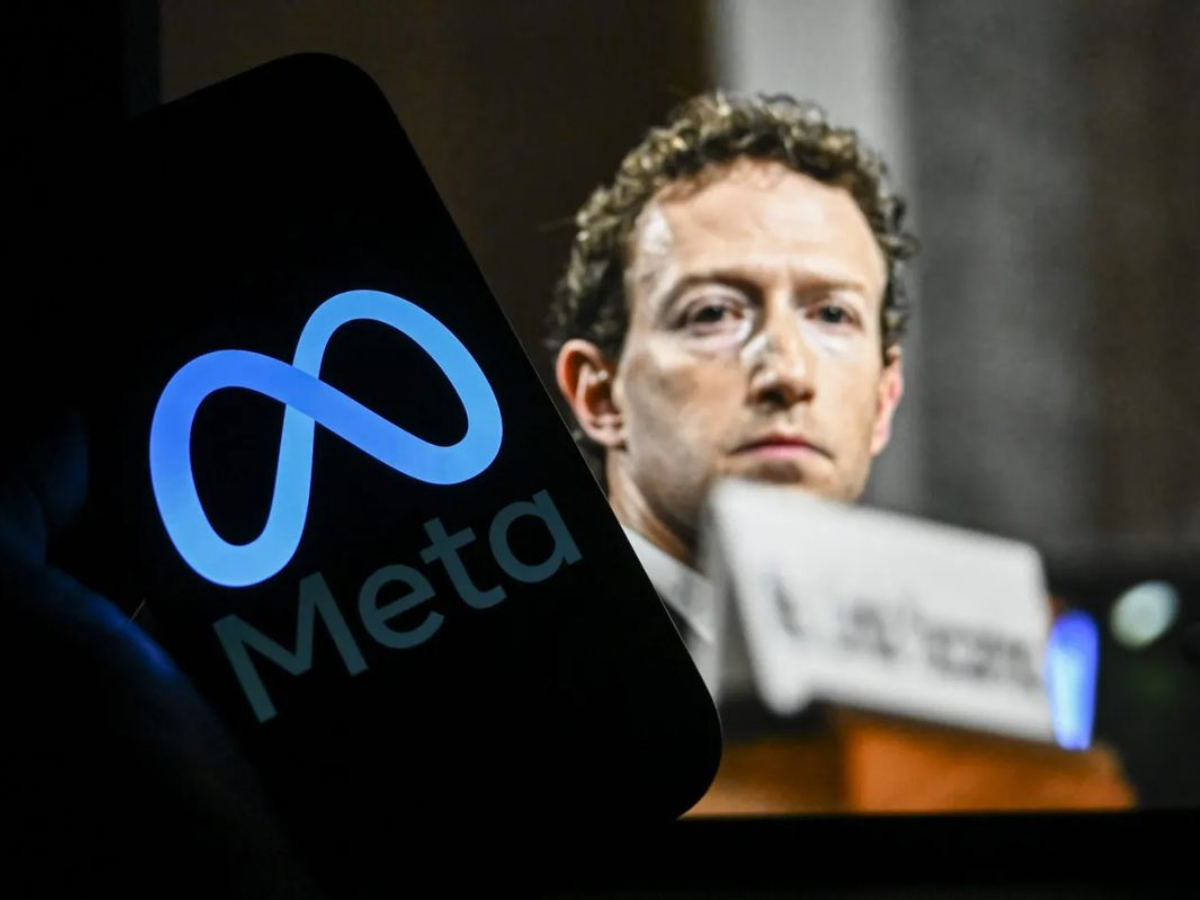
Los Angeles Jury Finds Meta And Google Liable In $3 Million Social Media Addiction Case
The Liability Shift: When Algorithmic Design Becomes a Security Vulnerability
A Los Angeles jury has pierced the corporate veil, holding Meta and Google liable for $3 million in damages due to platform design features that fostered addiction. This verdict moves the legal battlefield from user-generated content to the underlying recommendation engines and notification architectures. For engineering leaders, this is no longer just a PR crisis; it is a compliance failure akin to shipping software with known zero-day exploits.
The Tech TL;DR:
- Liability Precedent: Courts are now targeting recommendation systems and auto-play mechanics rather than Section 230-protected content.
- Audit Requirement: Algorithmic risk assessments are becoming mandatory, similar to SOC 2 or ISO 27001 compliance.
- Engineering Impact: Dev teams must implement “safety brakes” in engagement loops to mitigate legal exposure.
The verdict hinges on specific design choices: recommendation systems, push notifications, and auto-play options. These are not mere features; they are engagement loops optimized for retention at the cost of user agency. In the context of modern software development lifecycle (SDLC) practices, these patterns resemble unchecked recursion or resource exhaustion attacks, but directed at human cognitive bandwidth. The jury’s decision suggests that negligence in UI/UX design can carry the same weight as negligence in data encryption or access control.
Post-Mortem: The Architecture of Compulsion
From a systems architecture perspective, the plaintiff’s argument identifies a failure in the feedback control loop. The platforms utilized reinforcement learning models to maximize time-on-site without implementing sufficient guardrails for user well-being. This mirrors a security incident where a system lacks rate limiting. Just as a DDoS attack overwhelms a server, unchecked notification streams overwhelm user cognitive load. The legal finding of negligence implies that engineering teams failed to conduct adequate cybersecurity risk assessment and management on the psychological impact of their deployment.
Industry standards are shifting to accommodate this reality. Organizations are now seeking cybersecurity consulting firms that specialize in AI ethics and algorithmic auditing. The traditional scope of IT assurance is expanding. It is no longer sufficient to verify that data is encrypted at rest; engineers must verify that the logic driving data presentation does not induce harm. This aligns with emerging job roles, such as the Director of Security | Microsoft AI, which signals a corporate pivot toward integrating security governance directly into AI development pipelines.
“We are seeing a convergence where algorithmic safety is treated with the same rigor as network perimeter defense. If your recommendation engine lacks ethical guardrails, it is technically vulnerable.”
The technical debt incurred by prioritizing engagement over safety is now coming due. Companies deploying large language models or recommendation engines must integrate cybersecurity audit services into their release cycles. This involves static analysis of the model weights and dynamic testing of the user interaction flows. The Deloitte pursuit of an Associate Director, Senior AI Delivery Lead , Security underscores the market demand for professionals who can bridge the gap between AI delivery and security compliance.
Implementation Mandate: Auditing Notification Frequency
Engineering teams cannot wait for regulation to enforce these changes. Proactive mitigation requires instrumenting the application to monitor and limit engagement triggers. Below is a Python script snippet designed to audit notification logs, identifying patterns that might constitute harassment or compulsive triggers. This tool helps cybersecurity auditors and penetration testers validate whether notification frequency exceeds safe thresholds.
import pandas as pd from datetime import timedelta def audit_notification_frequency(logs, threshold_per_hour=5): """ Analyzes user notification logs to detect compulsive engagement patterns. Flags sessions where notification frequency exceeds safety thresholds. """ df = pd.DataFrame(logs) df['timestamp'] = pd.to_datetime(df['timestamp']) df = df.sort_values('timestamp') violations = [] for user_id in df['user_id'].unique(): user_logs = df[df['user_id'] == user_id] # Rolling window analysis for frequency spikes rolling_count = user_logs.set_index('timestamp').resample('1H').size() if (rolling_count > threshold_per_hour).any(): violations.append({ 'user_id': user_id, 'max_freq': rolling_count.max(), 'risk_level': 'HIGH' }) return violations # Example usage in CI/CD pipeline # violations = audit_notification_frequency(user_logs) # if violations: raise ComplianceError("Engagement loop exceeds safety limits") This script represents a basic form of algorithmic accountability. In production environments, this logic should be embedded within the Managed Service Providers (MSPs) monitoring stack. Continuous integration pipelines must fail builds that introduce notification logic exceeding these safety parameters. This shifts the responsibility from legal teams to engineering owners, ensuring that safety is a shipping feature, not an afterthought.
The Compliance Horizon
The $3 million compensatory damages are negligible compared to the potential punitive damages and the cost of architectural refactoring. The real risk lies in the precedent set for hundreds of pending cases involving TikTok, Snap, and others. As enterprise adoption scales, the demand for software dev agencies capable of building compliant AI systems will surge. Organizations must treat algorithmic design as a security surface. The next zero-day patch might not be for a buffer overflow, but for a recommendation loop that destabilizes user mental health.
Technical leaders must advocate for “Safety by Design” principles. This involves rigorous testing of edge cases in user interaction, not just system uptime. The integration of Cybersecurity Audit Services into the AI development lifecycle is no longer optional. It is a critical component of risk management. As the industry matures, the distinction between security vulnerabilities and design hazards will vanish. Both represent failures in system integrity that require immediate remediation.
Disclaimer: The technical analyses and security protocols detailed in this article are for informational purposes only. Always consult with certified IT and cybersecurity professionals before altering enterprise networks or handling sensitive data.