
Looksmaxxing Streamer Clavicular’s Extreme Jawline Surgery Hack-And How It Built His Harem
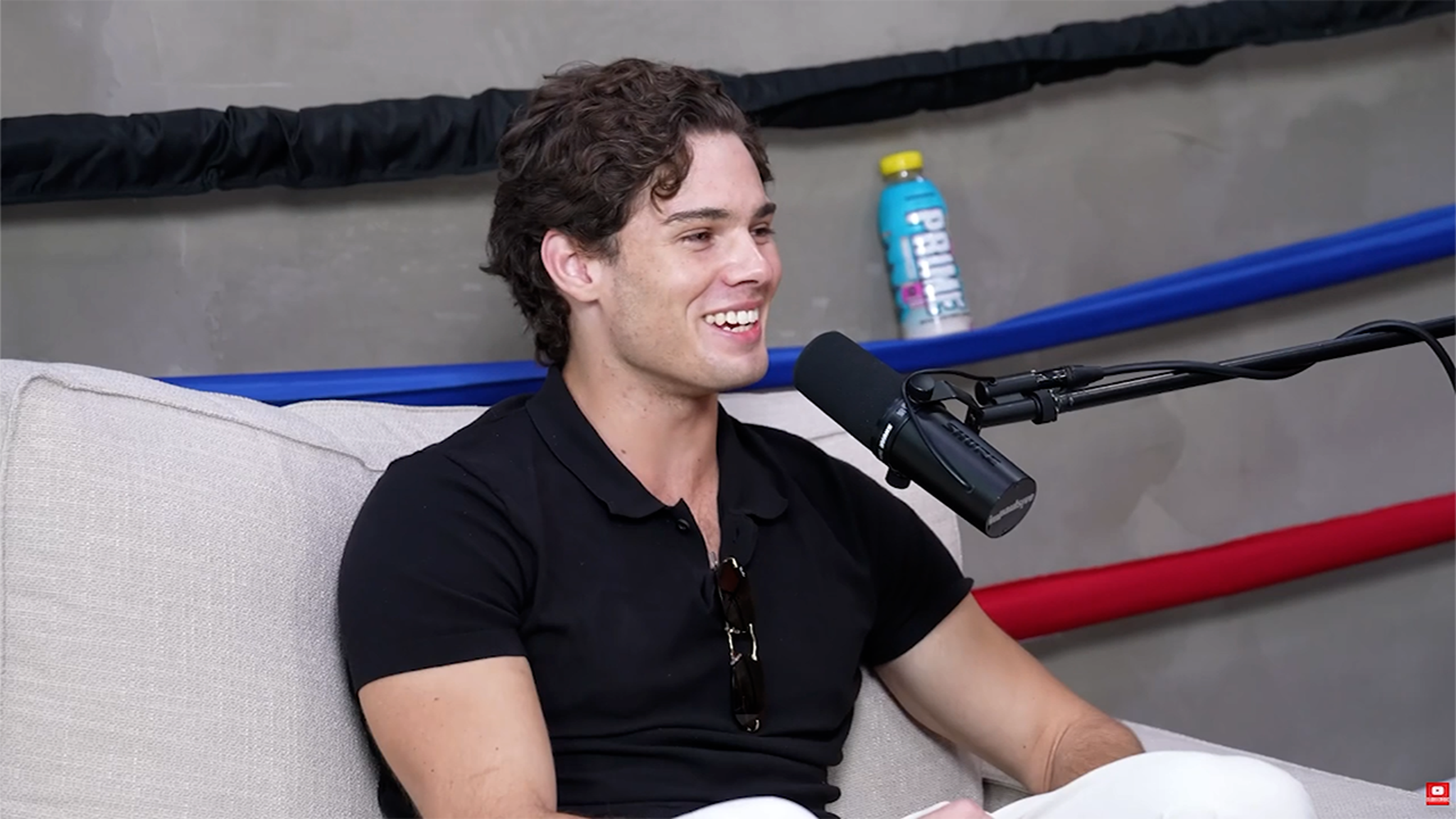
Influencer Braden Eric Peters, known online as Clavicular, recently claimed on the Impaulsive podcast that he used a hammer to physically reshape his jawline during his youth. This extreme “bonesmashing” technique, a cornerstone of the “looksmaxxing” subculture, has reportedly translated into significant social and romantic success for the streamer.
The digital landscape is currently navigating a volatile intersection of extreme self-optimization and brand risk. As creators move away from traditional cosmetic procedures toward more radical, DIY physical modifications, the entertainment industry is facing a new frontier of liability. We are witnessing the rise of a “bio-hacking” aesthetic that prioritizes extreme visual metrics over physical safety, creating a psychological and logistical headache for the agencies and brands that attempt to monetize these high-octane personalities.
The Hammer and the Hype: A Podcast Bombshell
During a recent appearance on Logan Paul’s Impaulsive podcast, Peters—the face of the “looksmaxxing” movement—detailed a method of jawline contouring that sounds more like a construction project than a beauty regimen. He described using a hammer to impact his facial structure, a practice colloquially known in certain internet circles as “bonesmashing.” According to Peters, this brutal approach to facial reconstruction was not merely a phase but a calculated move that has since yielded a high “social dividend,” including what he characterizes as a sudden surge in romantic interest and dating success.

While the clip has garnered millions of views across social platforms, the conversation within the industry is less about the “harem” Peters claims to have cultivated and more about the sheer unpredictability of his brand. In the attention economy, controversy is a currency, but it is a highly inflationary one. When a creator ties their identity to physical self-harm disguised as aesthetic optimization, they move from being a “lifestyle influencer” to a “high-risk asset.”
For the top-tier talent agencies that manage high-growth streamers, this presents a constant tug-of-war. How do you capitalize on the massive engagement numbers generated by such shock value without alienating the blue-chip advertisers who demand “brand-safe” environments? The metrics are undeniably there, but the backend gross for a creator who promotes physical trauma is inherently unstable.
The “Looksmaxxing” Economy and the Death of the Filter
To understand why Peters’ claims are resonating, one must look at the broader “looksmaxxing” trend. This isn’t just about skincare or fitness; it is an aggressive, often obsessive pursuit of facial symmetry and bone structure through any means necessary. It represents a shift from the “filtered” era of Instagram—where digital manipulation smoothed over imperfections—to a “structural” era, where the goal is to physically alter the bone to match the digital ideal.
This movement has created a niche but powerful market for content that sits on the edge of medical advice and extreme lifestyle blogging. However, the lack of regulatory oversight in these digital subcultures means that the line between “aesthetic advice” and “dangerous behavior” is increasingly blurred. This creates a massive opening for entertainment law specialists to navigate the complexities of liability when influencers inadvertently encourage dangerous physical practices among their massive, often impressionable, audiences.
“The monetization of extreme physical modification creates a volatile asset. One viral moment of self-harm disguised as aesthetic optimization can wipe out years of brand equity overnight. We are seeing a fundamental shift in how we assess the long-term viability of digital personalities.”
— Julianne Voss, Senior Talent Strategist
As these trends move from the fringes of TikTok into the mainstream via high-profile podcasts, the impact on the broader media ecosystem is profound. We are seeing a fragmentation of the traditional celebrity model. The new “stars” aren’t necessarily trained actors or musicians; they are architects of their own physical reality, using shock and transformation to drive engagement metrics that traditional media struggles to match.
Managing the Fallout: Brand Safety in an Age of Extremes
When a creator’s primary hook is a controversial physical transformation, the traditional PR playbook often fails. You cannot simply “spin” a story about a hammer; you can only manage the reaction to it. What we have is where the industry is increasingly relying on crisis communication firms and reputation managers to protect the surrounding ecosystem of sponsors, platforms, and production partners.
The business problem is twofold: first, the risk of platform de-platforming due to “harmful content” policies, and second, the risk of “guilt by association” for any brand that enters a partnership. A streamer might have a massive following, but if that following is built on the premise of extreme physical risk, the brand equity is fragile. The cost of a sudden loss in viewership or a mass exodus of advertisers can be catastrophic for the production entities that host these creators.
Looking at the trajectory of recent digital culture shifts, the “looksmaxxing” phenomenon is just the tip of the iceberg. As more creators adopt “extreme optimization” as a core part of their content, the industry will need more robust frameworks to distinguish between genuine lifestyle innovation and dangerous, unverified physical practices. The goal for media executives is to find a way to harness the engagement of these subcultures without being dragged down by their inherent volatility.
As we move further into 2026, the entertainment world must decide if it will embrace these high-risk personalities or build the guardrails necessary to keep the digital economy from fracturing under the weight of its own extremes. For those navigating this chaotic landscape, the ability to vet talent and manage reputation is no longer a luxury—it is a survival requirement. To find the professionals capable of managing these complex media shifts, consult the World Today News Directory for vetted reputation managers and talent experts.
*Disclaimer: The views and cultural analyses presented in this article are for informational and entertainment purposes only. Information regarding legal disputes or financial data is based on available public records.*