Long-Term Effects of Hormone Therapy for Menopause: Risks and Benefits
Key Clinical Takeaways:
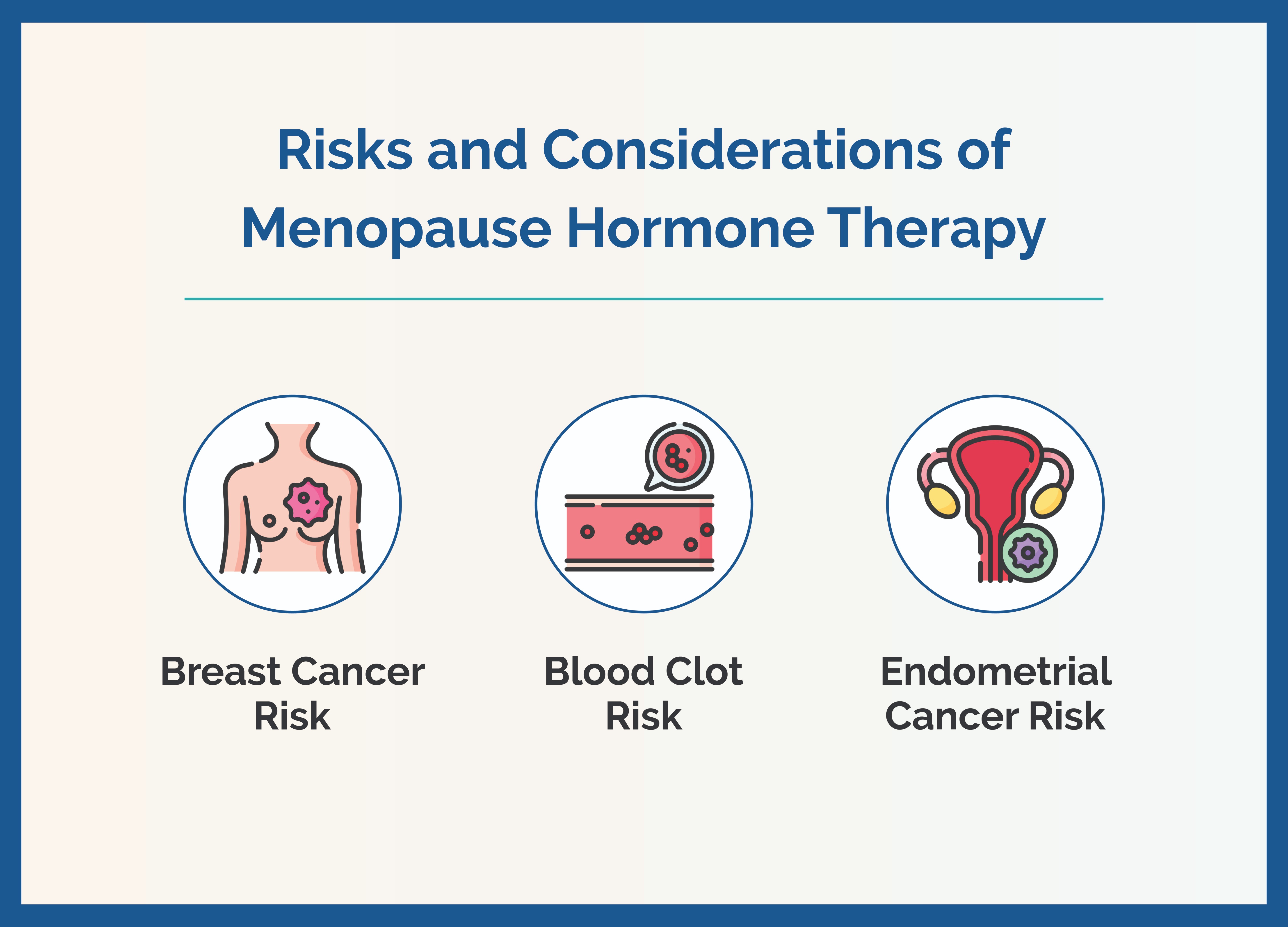
- Combined hormone therapy (estrogen + progestogen) increases breast cancer risk over 5.5 years but reduces osteoporosis-related fractures.
- Oestrogen-only therapy lowers fracture risk but raises gallbladder disease and stroke probabilities, according to meta-analyses.
Executive Summary: Hormone Therapy Risks and Benefits
Perimenopausal and postmenopausal women considering long-term hormone therapy face a complex risk-benefit profile. A Cochrane review of 24 studies involving 45,660 participants revealed that combined hormone therapy (CHT) increases breast cancer risk over 5.5 years but reduces fracture rates. Oestrogen-only therapy (ET) lowers fracture risk but elevates stroke and gallbladder disease risks. These findings, drawn primarily from 1990s-era oral formulations, highlight the need for updated guidelines addressing modern delivery methods.
Clinical Trial Breakdown: Risk Profiles by Therapy Type
Results from the Women’s Health Initiative (WHI) and Heart and Estrogen/progestin Replacement Study (HERS) remain foundational. A meta-analysis found that combined continuous hormone therapy increased breast cancer incidence from 19 to 24 per 1,000 women over 5.5 years. This aligns with data from the Cochrane Database of Systematic Reviews, which noted an increased stroke risk and higher venous thromboembolism risk with CHT.
Estrogen-only therapy (ET) showed divergent outcomes. A study reported a reduction in fractures (141 to 103 per 1,000) but an increased gallbladder disease risk (27 to 47 per 1,000).
Funding and Methodological Limitations
The majority of data stems from the NIH-funded WHI study (1998–2005), which used oral conjugated equine oestrogen (CEE) and medroxyprogesterone acetate (MPA). Modern transdermal patches and lower-dose formulations, now common, were not evaluated in these trials. A study found that low-dose oestrogen patches (0.025 mg/day) showed no significant breast cancer risk elevation (RR 2.93, 95% CI 0.12–71.04), though confidence intervals were wide due to small sample sizes.
Future trials must address these gaps, as current guidelines may not apply to all patient groups."
Public Health Implications and Future Directions
Disclaimer:
Disclaimer: The information provided in this article is for educational and scientific communication purposes only and does not constitute medical advice. Always consult with a qualified healthcare provider regarding any medical condition, diagnosis, or treatment plan.