
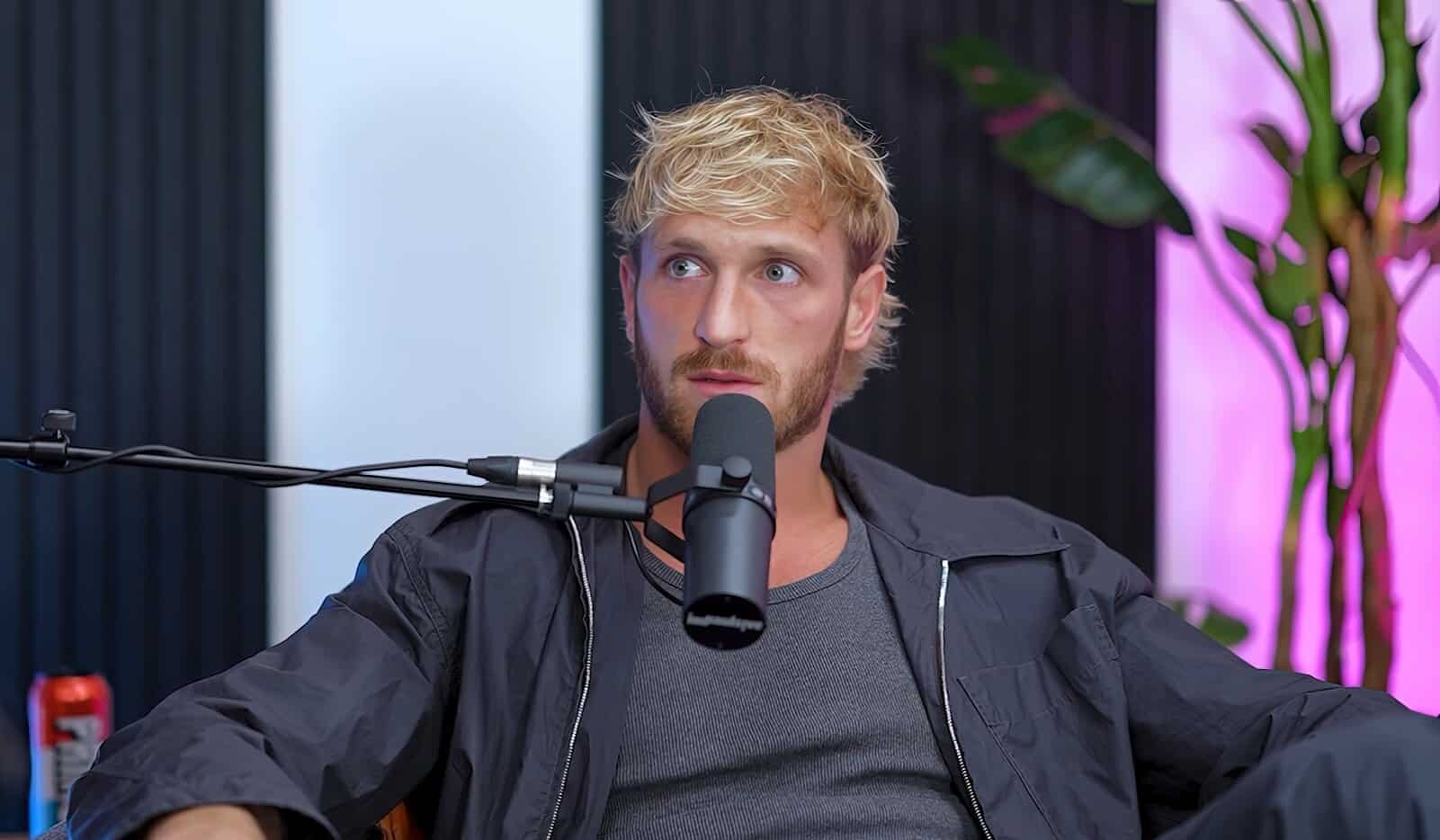
Logan Paul is now at the centre of a structural shift involving the integration of digital‑media personalities into legacy sports‑entertainment brands. The immediate implication is a re‑calibration of talent‑utilization models and audience‑engagement strategies for WWE.
The strategic Context
Professional wrestling has historically relied on a roster of full‑time athletes who build long‑term storylines. Over the past decade, the industry has faced declining viewership among younger demographics and increasing competition from on‑demand digital content. Together, social‑media influencers have amassed sizable, highly engaged audiences that are attractive to advertisers and sponsors. This convergence creates pressure on legacy promoters to incorporate influencer talent as a means of revitalizing the product, diversifying revenue streams, and expanding cross‑platform reach.
Core analysis: Incentives & Constraints
Source Signals: The vlog confirms Paul’s recent match schedule (Nov 24, Nov 29, Dec 8, Dec 15), his undefeated record in that span, and his affiliation with The Vision faction led by Paul Heyman. He publicly rebuffs criticism labeling him a “part‑timer,” emphasizing frequency of appearances and win‑rate as evidence of commitment.
WTN Interpretation:
- WWE Incentives: Leverage Paul’s digital footprint to attract non‑conventional viewers, boost live‑event ticket sales, and enhance sponsorship appeal. His presence serves as a bridge between the platform’s legacy fan base and the influencer‑driven audience.
- Paul’s Incentives: Secure a high‑visibility platform that validates his brand beyond YouTube, command premium compensation, and expand his personal merchandise ecosystem. Aligning with a reputable faction (The Vision) mitigates credibility gaps among wrestling purists.
- Constraints: WWE must balance influencer bookings with the advancement of core talent to avoid alienating long‑standing fans. Paul’s limited wrestling background imposes a ceiling on in‑ring storytelling depth, and any injury risk could disrupt cross‑platform marketing plans. The “part‑timer” narrative persists, perhaps eroding perceived authenticity if his schedule does not align with fan expectations for sustained involvement.
WTN Strategic Insight
“The rise of influencer‑driven talent in legacy entertainment is less a novelty than a structural response to fragmented audience attention, signaling a new era where brand equity is co‑created across platforms.”
future Outlook: Scenario Paths & Key Indicators
Baseline Path: if WWE continues to schedule Paul for regular televised matches and integrates him into prominent storylines, his presence will likely stabilize viewership among younger demographics, increase social‑media engagement metrics, and generate ancillary revenue (merchandise, sponsorships).The “part‑timer” label will diminish as his on‑screen frequency aligns with audience expectations.
Risk path: If criticism intensifies, or if Paul’s in‑ring performance fails to meet fan standards, WWE may reduce his bookings, leading to a backlash that could depress ratings for episodes featuring him and strain relationships with both traditional fans and sponsors seeking consistent brand alignment.
- Indicator 1: Weekly television ratings for Raw episodes that include Logan Paul, compared to baseline ratings for comparable weeks without his appearance.
- Indicator 2: Social‑media sentiment analysis (e.g., volume of positive vs. negative mentions) surrounding Paul’s WWE segments,tracked over the next 3‑6 months.
