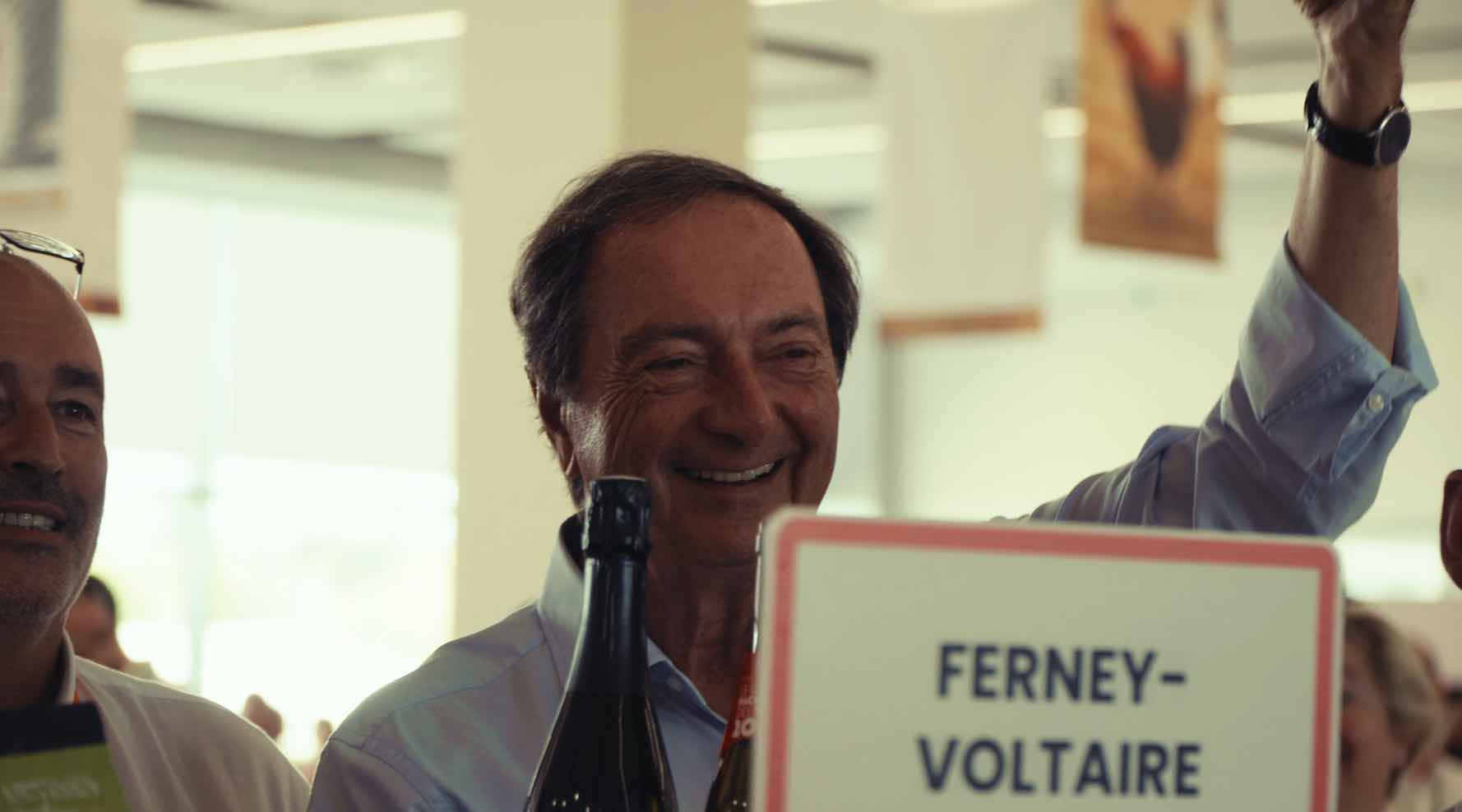
Local Alliances Fair 2026: Michel-Edouard Leclerc Blog
Michel-Edouard Leclerc has announced the creation of the “Salon des Alliances Locales 2026,” an initiative designed to formalize partnerships between the E.Leclerc retail group and local producers. According to a statement published on his official blog, the program aims to integrate regional agricultural and artisanal products into the group’s supply chain to reduce food miles and support local economies.
What is the Salon des Alliances Locales 2026?
The Salon des Alliances Locales 2026 is a strategic framework established by Michel-Edouard Leclerc to facilitate direct contracts between local producers and E.Leclerc stores. The initiative focuses on creating “alliances” that prioritize short-circuit distribution, which means reducing the number of intermediaries between the farm and the consumer. According to Leclerc, the goal is to ensure fair pricing for producers while maintaining competitive costs for shoppers.

How will the program affect local producers?
Producers can enter the E.Leclerc network through these localized agreements, which allow them to supply stores within their immediate geographic region. The program emphasizes a transition toward more sustainable sourcing. By bypassing centralized national distribution centers for specific regional goods, the group intends to lower the carbon footprint associated with transport. This shift allows small-scale farmers and artisans to access the scale of a major retailer without losing their local identity.
Why is E.Leclerc implementing this shift now?
The move comes as French consumers increasingly demand transparency regarding the origin of their food and a reduction in environmental impact. Michel-Edouard Leclerc stated that the “alliances” are a response to the need for a more resilient food system. By strengthening ties with local producers, the group seeks to mitigate the risks of global supply chain disruptions and support the viability of French agriculture.
The initiative contrasts with traditional centralized retail models where procurement is managed at a corporate level. Instead, the Salon des Alliances Locales 2026 delegates more procurement authority to individual store managers, allowing them to tailor their inventory to the specific agricultural strengths of their region.
What happens next for the initiative?
The rollout of these alliances is scheduled to scale through 2026. The group will use the “Salon” format to identify and vet new producers and formalize the terms of these regional partnerships. Further details on the specific criteria for producer eligibility and the volume of products to be transitioned to local sourcing remain pending.