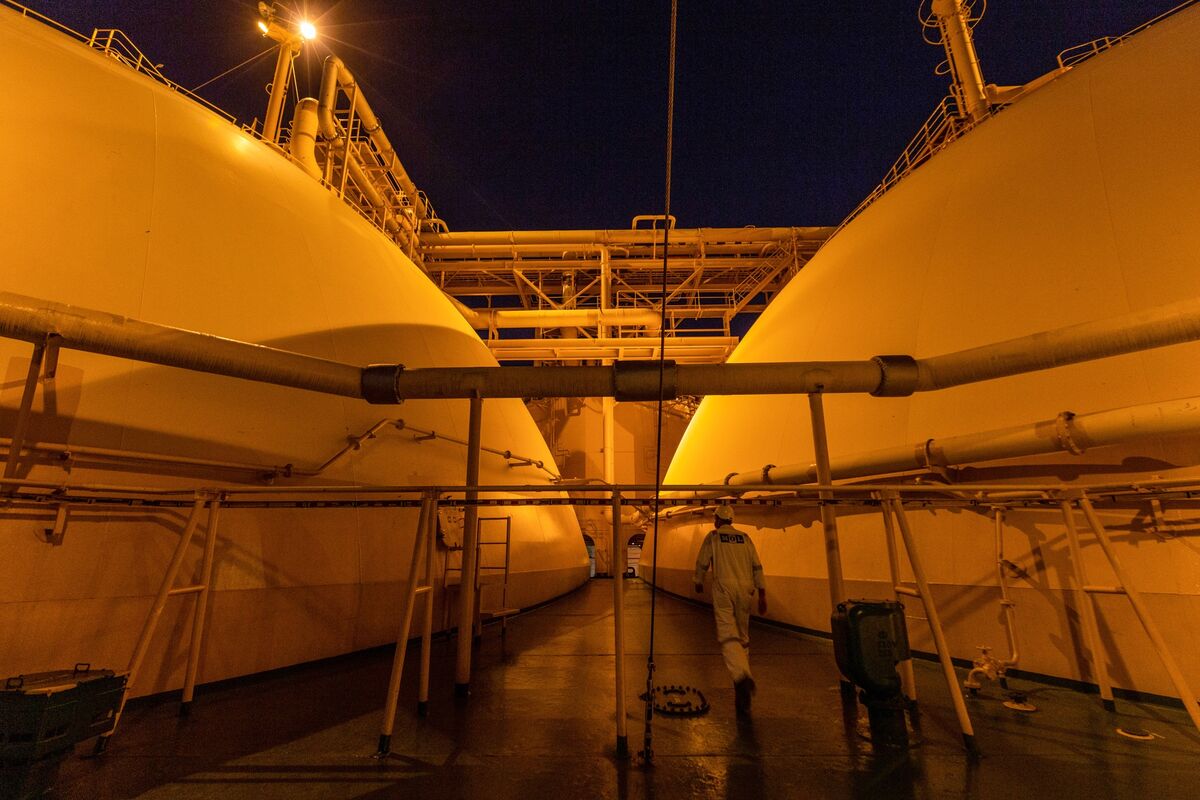
LNG Tanker Heads Toward Hormuz Amid Hopes of Key Waterway Reopening
On June 15, 2026, an LNG tanker departed from Qatar’s Ras Laffan port, heading toward the Strait of Hormuz as a fragile peace deal between Iran and regional powers sparks renewed optimism about the waterway’s reopening. The vessel, stranded for three months due to geopolitical tensions, represents a critical test of the agreement’s viability. According to Bloomberg, the ship’s movement signals a potential shift in energy logistics for India and global markets, though risks remain.
Why the Strait of Hormuz Matters for Global Energy Security
The Strait of Hormuz, a strategic chokepoint through which 20% of global oil supply passes, has been a flashpoint for decades. In 2026, its temporary closure earlier this year disrupted trade routes, forcing nations like India to seek alternative shipping lanes. The Indian government confirmed in a June 14 statement that the LNG tanker’s journey “marks a pivotal step toward stabilizing regional energy flows.”
Historically, the strait has been a battleground for geopolitical rivalries. In 2019, Iran seized a British-flagged tanker, escalating tensions with the U.S. and Gulf allies. The current deal, brokered by the United Nations and mediated by Oman, includes guarantees for free navigation and reduced military presence. However, analysts caution that enforcement mechanisms remain untested.
What Happens Next for Regional Trade and Geopolitics?
The LNG tanker’s route underscores the delicate balance between diplomacy and economic necessity. “This isn’t just about one ship—it’s about restoring confidence in the strait’s security,” said Dr. Ayesha Khan, a geopolitical analyst at the Gulf Studies Center. “If the deal holds, it could redefine energy partnerships across Asia and the Middle East.”
India, which relies on 80% of its oil imports through the strait, faces immediate benefits. The Hindu reported that Indian energy firms are already preparing to resume shipments via Hormuz, with state-owned ONGC signaling readiness to expand imports. However, the country’s Ministry of External Affairs emphasized that “safety protocols must remain non-negotiable.”
Expert Voices: A Cautionary Outlook
While the tanker’s departure is symbolic, legal experts warn that the deal’s success hinges on compliance. “The agreement lacks binding enforcement clauses,” noted Mohammad Rezaei, a maritime law professor at Tehran University. “Without a neutral arbitration body, disputes could reignite.”
Local officials in Oman, the deal’s mediator, have reiterated their commitment. “Oman’s role is to ensure transparency and fairness,” said Sultan Al-Saadi, a senior diplomat. “We’re monitoring the situation closely, but this is a test of collective will.”
Connecting the Dots: How This Impacts Local and Global Markets
The reopening of the Strait of Hormuz could lower global oil prices by up to 5% in the short term, according to a June 13 report by the International Energy Agency. For countries like India, this translates to reduced energy costs and improved trade balances. However, the shift also raises concerns about increased shipping traffic in a region with a history of piracy and sabotage.
Infrastructure in the United Arab Emirates, a key transit hub, is already adapting. The Port of Fujairah, which serves as an alternative route during closures, has announced a $200 million expansion to handle surplus cargo. “We’re preparing for both scenarios—full reopening and continued diversification,” said a spokesperson for the port authority.
The Directory Bridge: Finding Solutions in a Shifting Landscape
For businesses navigating the evolving energy landscape, specialized legal and logistical support is critical. [Relevant Law Firm] in Dubai offers expertise in maritime dispute resolution, while [Relevant Logistics Company] in Singapore provides real-time shipping risk assessments. [Relevant Civic Organization] in Mumbai advises on energy policy compliance, ensuring businesses align with national and international regulations.

The situation also highlights the need for [Relevant Emergency Response Service] in coastal regions, which prepares for potential disruptions. “Proactive planning is essential,” said a representative from the organization. “Our teams are trained to respond to both natural and human-made crises.”
Looking Ahead: A Test of Diplomacy and Resilience
The LNG tanker’s journey is more than a logistical milestone—it’s a barometer of global diplomacy. As the ship approaches the Strait of Hormuz, the world watches to see if cooperation can outpace conflict. For now, the path forward remains uncertain, but the stakes are clear: a stable strait means secure energy, thriving economies, and a fragile peace.
“This is a moment of reckoning,” said Dr. Khan. “The coming weeks will determine whether diplomacy can deliver what war never could.”