
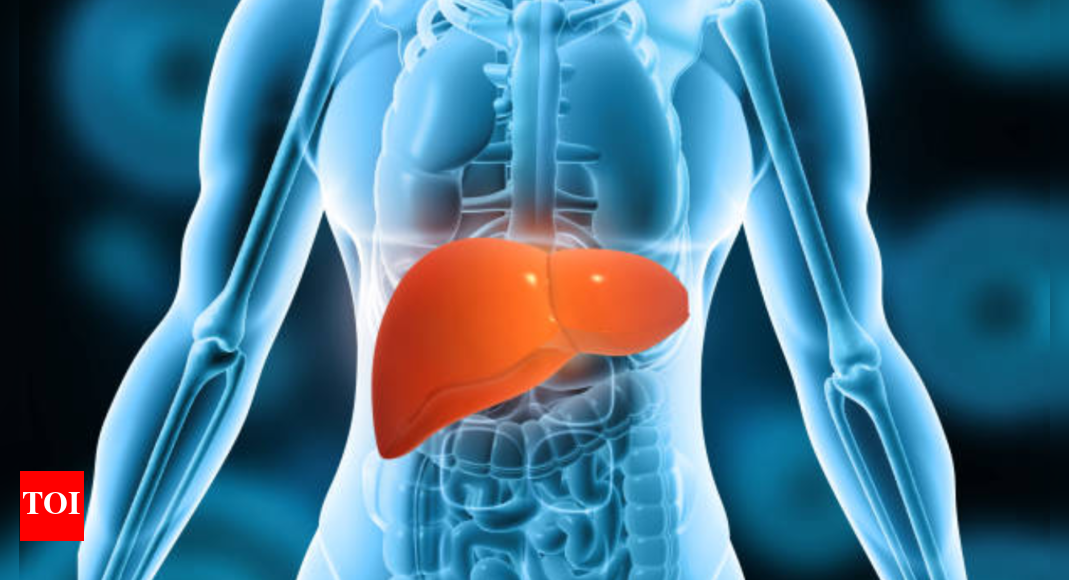
Liver Damage Can Become Irreversible Even After Alcohol Cessation, New Research Finds
London, UK – October 26, 2023 14:35 GMT – Prolonged, heavy alcohol consumption can inflict damage on the liver that persists-and even worsens-after drinking stops, according to a study published today in the journal PLOS ONE. Researchers at University College London (UCL) have identified molecular mechanisms that prevent the liver from fully repairing itself, even with sustained abstinence. The findings challenge conventional understanding of liver recovery and have notable implications for the millions worldwide affected by alcohol-related liver disease (ARLD).
While the liver possesses remarkable regenerative capabilities, the UCL team discovered that chronic alcohol exposure triggers lasting epigenetic changes – alterations to how genes are expressed – that impede the organ’s healing process. These changes specifically affect genes responsible for liver cell growth and function. This means that even after an individual ceases alcohol consumption, the liver’s ability to repair itself is fundamentally compromised, potentially leading to cirrhosis and liver failure. ARLD currently affects an estimated 2.7% of adults globally, with rates rising in many regions.
The study focused on analyzing liver samples from both individuals with ARLD and healthy control subjects. Researchers identified persistent alterations in DNA methylation patterns - a key epigenetic mechanism - in the livers of those with a history of heavy drinking. These changes where observed even in participants who had been sober for several years. “We found that the liver doesn’t simply ‘bounce back’ once alcohol is removed,” explained Dr. Rajiv Jalan, lead author of the study and Professor of Hepatology at UCL. “The damage leaves a lasting molecular imprint that hinders it’s ability to fully recover.”
The research team further demonstrated that these epigenetic modifications disrupt the normal functioning of hepatic stellate cells, which play a crucial role in liver repair. In healthy livers, these cells promote tissue regeneration. However, in individuals with ARLD, the altered epigenetic landscape causes these cells to contribute to fibrosis – the formation of scar tissue – further exacerbating liver damage.
The findings underscore the critical importance of early intervention and prevention in ARLD. While abstinence is essential, the study suggests that additional therapies targeting these epigenetic changes might potentially be necessary to restore liver function in individuals with established damage. Researchers are now exploring potential pharmacological interventions to reverse these modifications and promote liver regeneration. The team plans to initiate clinical trials within the next three years to assess the efficacy of these novel treatment strategies.
