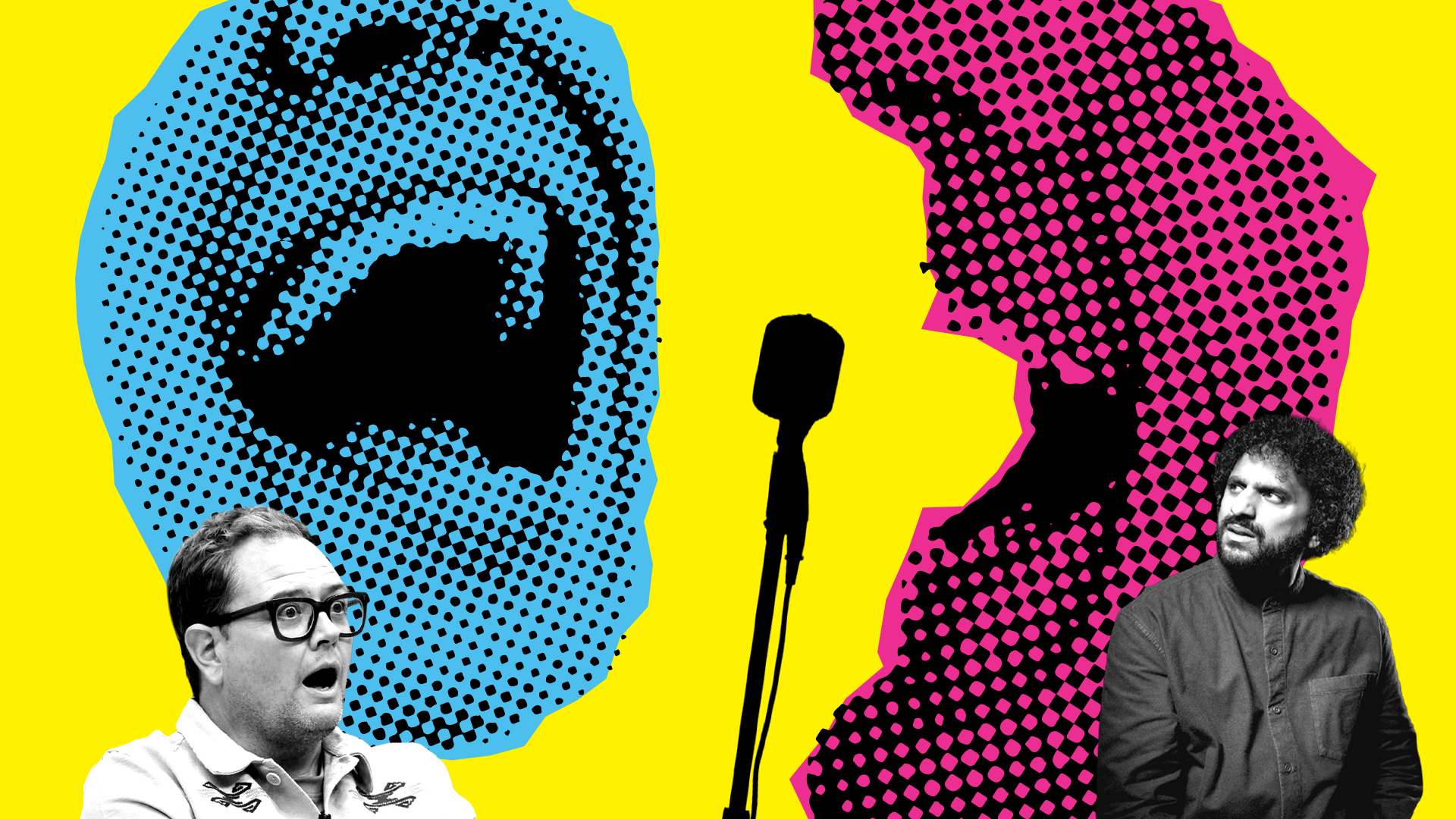
Live Comedy Day: No Last One Laughing without open mic nights
Live Comedy Day highlights the economic fragility of the UK stand-up circuit. As venue rents surge and comedian salaries drop by 20%, the industry faces a grassroots crisis. This event mobilizes support across London and beyond, demanding recognition for comedy as a vital economic and cultural asset requiring professional legal and logistical backing.
The spotlight currently falls on the grassroots engine room of the entertainment industry, specifically the open mic circuit that feeds talent into major streaming specials and television syndication. While corporate suites finalize mergers and streaming giants optimize their SVOD algorithms, the foundational layer of stand-up comedy is cracking under financial pressure. Live Comedy Day, occurring April 1, attempts to stem the bleeding, but the underlying metrics suggest a sector in distress that requires more than just goodwill. It demands structural intervention from top-tier talent agencies and robust financial planning.
Recent data from the UK Live Comedy Sector Survey indicates a stark reality: the average annual salary for comedians has plummeted from £26,778 to £21,143 within a single year. This contraction forces 74% of performers to seek external income, effectively turning the open mic circuit into an unpaid internship accessible only to those with private financial safety nets. This exclusivity threatens the diversity of voices reaching the mainstream. When only the wealthy can afford to hone their craft, the intellectual property pipeline dries up, starving networks of fresh material.
Contrast this grassroots fragility with the consolidation happening at the highest levels of media conglomerates. As Dana Walden unveils her Disney Entertainment Leadership Team, spanning film, TV, streaming and games, the industry signal is clear: corporate structures are tightening to maximize brand equity across multiple verticals.
“Dana Walden, incoming President and Chief Creative Officer of The Walt Disney Company, has revealed the new leadership team spanning film, TV, streaming & games,” notes Deadline, signaling a shift toward integrated content ecosystems.
This top-down optimization stands in sharp relief against the bottom-up struggle of venue owners facing astronomical rents and post-pandemic hangovers. The disconnect between C-suite strategy and street-level logistics creates a vacuum where talent falls through the cracks.
Occupational data supports the notion of instability within the arts sector. The U.S. Bureau of Labor Statistics categorizes these roles under arts, design, entertainment, sports, and media occupations, yet the volatility remains high. Occupational Requirements Survey data often highlights the physical and mental demands of these roles without correlating them to stable income brackets. For a comedian, the physical demand is the nightly grind; the financial demand is surviving the gap between gigs. Without intervention, the sector risks losing its next generation of showrunners before they ever pitch a pilot.
Venues like the Frog and Bucket report struggling to return to pre-pandemic numbers, creating a bottleneck for exposure. A comedian cannot secure a deal with a network like the BBC, which is currently hiring for a Director of Entertainment, without a proven track record of live performance. Yet the stages required to build that record are closing. This logistical choke point requires professional mitigation. Production companies and tour organizers must engage with event management firms capable of negotiating favorable lease terms and optimizing ticket sales dynamics to keep doors open.
The gender disparity further complicates the economic model. Alex Hardy, co-director of Gobby Girls, points out that only 11% of UK sitcoms are written by women. Live Comedy Day events, such as the party at Soho Theatre, aim to correct this imbalance. However, advocacy alone does not pay rent. To truly shift the needle, female comedians need representation that understands the nuances of streaming rights deals and backend gross participation. Legal counsel specializing in entertainment law must ensure that early career contracts do not strip creators of their long-term IP value.
The perception of comedy as a “lesser” art form likewise hinders funding opportunities. Toomey notes that applying for Arts Council funding often requires hiding comedy under another art form. This bureaucratic hurdle diminishes the sector’s perceived brand equity. If the government recognized stand-up as a job creator with significant economic benefits, as Kumar suggests, policy shifts could follow. Until then, the burden falls on private enterprise to sustain the ecosystem. Industry analysis consistently shows that live entertainment drives local hospitality revenue, yet this value proposition remains underutilized in funding pitches.
Strategic communication is vital for changing this narrative. When a sector faces this level of existential threat, standard marketing fails. Organizations behind Live Comedy Day should deploy crisis communication firms and reputation managers to reframe the public conversation. The goal is to position comedy venues not merely as nightclubs, but as essential cultural infrastructure worthy of tax relief and investment protection. This reframing protects the asset class for investors and insurers alike.
Looking ahead, the survival of the open mic circuit depends on treating comedy with the same rigorous business analysis applied to film franchises. The talent is abundant, but the infrastructure is decaying. As the industry calendar moves through awards season and into summer development slates, executives scouting for the next big voice must recognize that the pipeline is corroding. Supporting Live Comedy Day is a start, but sustaining the circuit requires contracts that respect labor, venues that survive rent hikes, and a regulatory environment that acknowledges the economic weight of laughter.
The World Today News Directory connects industry professionals with the vetted services necessary to stabilize this sector. Whether securing entertainment legal services to protect IP or finding hospitality partners to boost venue revenue, the tools for recovery exist. The question remains whether the industry will utilize them before the lights go out on the next generation of stars.
Disclaimer: The views and cultural analyses presented in this article are for informational and entertainment purposes only. Information regarding legal disputes or financial data is based on available public records.