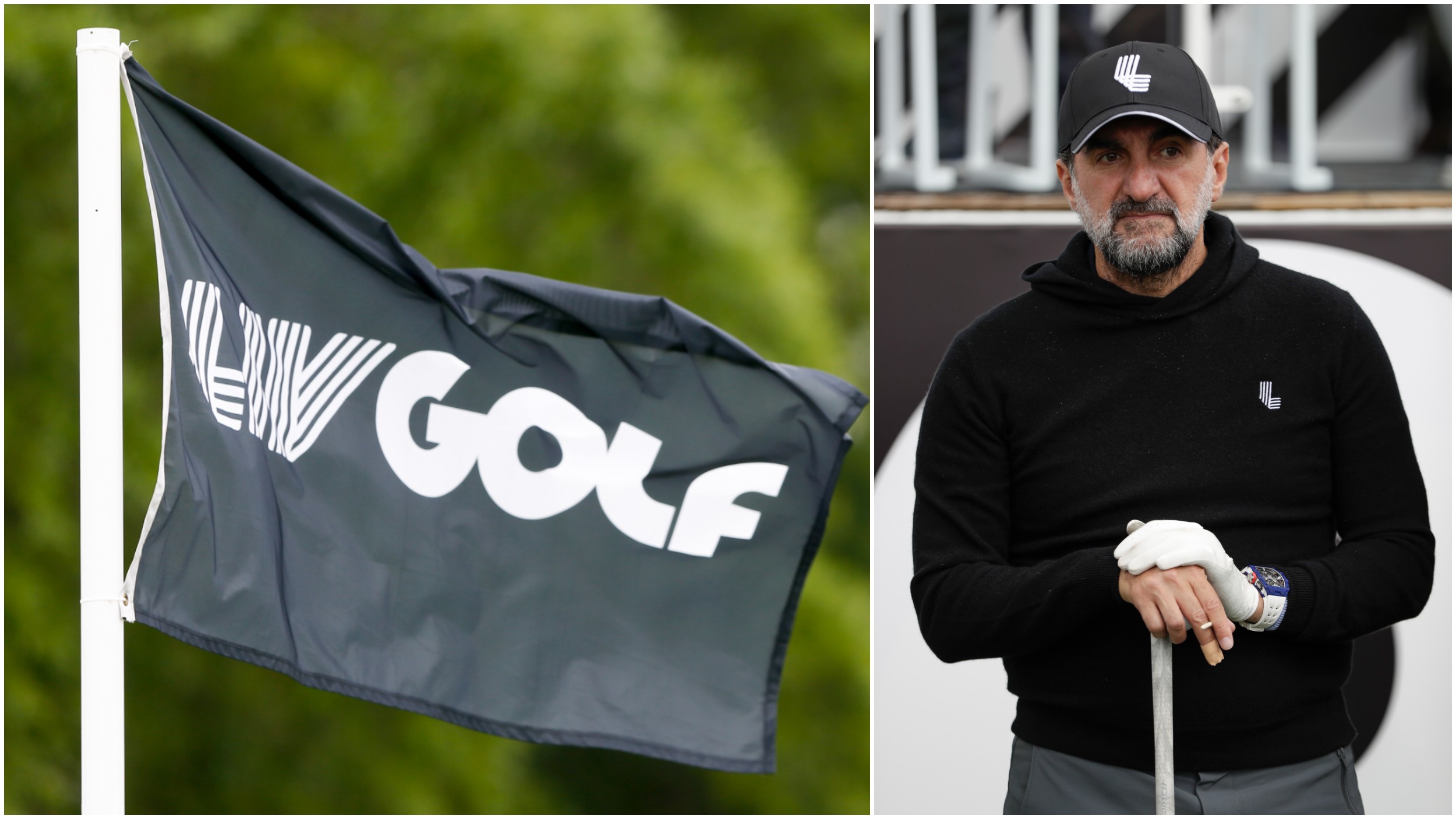
LIV Golf Lays Off Majority of Staff Amid PIF Funding End and LIV 2.0 Transition
LIV Golf informed the majority of its workforce on Wednesday, August 26, 2026, that they will be laid off in the first week of September.
Financial Realities and the End of PIF Backing
The financial architecture of the breakaway circuit is undergoing a forced structural pivot. Over the past five years, the Public Investment Fund poured upwards of $5 billion into signing marquee players like Bryson DeChambeau and Jon Rahm and building out a global tournament schedule. However, that capital injection reached its contractual conclusion at the 2026 season finale. As a result, corporate employees in both the United States and Britain received formal notice of impending termination.
A LIV Golf spokesperson addressed the operational contraction directly in a public statement carried by Reuters: “As a result, we are scaling back operations as we transition to the next chapter of LIV Golf and work toward making LIV 2.0 a reality. This week, we informed many of our colleagues that their employment under LIV 1.0 will end in the first week of September.” The global staff count, which previously exceeded 300 individuals, faces steep reductions while executive leadership scrambles to secure replacement capital.
The Pivot to LIV 2.0 and Investor Negotiations
LIV Golf CEO Scott O’Neil, who stepped into the role in early 2025 to replace Greg Norman, is attempting to bridge the financial gap by finalizing a transaction with a new lead investor. According to AOL coverage, Ted Goldthorpe, head of the investment firm BC Partners, has agreed to a non-binding term sheet to fund the circuit moving into 2027. O’Neil acknowledged that the organization operates under a severely compressed timeline to execute the deal.
Securing this next iteration requires more than a signature from an equity partner; it demands buy-in from a majority of the active player roster. O’Neil emphasized that management’s primary objective centers on transaction execution to ensure the enterprise can successfully launch a modified 10-event schedule for 2027—comprising five domestic tournaments and five international showcases. The targeted investment range sits between $250 million and $350 million, with a baseline projection of achieving operational profitability within three years.
Operational Turbulence and Local Economic Fallout
The sudden shift in capital structure has introduced acute logistical friction across the tour’s ecosystem. Prior to the workforce reduction announcement, financial pressures manifested visibly across tournament operations. The purse for the Indianapolis season finale was slashed by nearly half, the season-ending team championship in Michigan was canceled outright, and multiple vendors and contractors reported outstanding, unpaid balances. O’Neil vowed that leadership intends to resolve outstanding liabilities with affected vendors.

For host cities and regional commercial partners, the abrupt contraction of a major international sports tour creates immediate uncertainty. Venues, hospitality providers, and regional broadcast partners accustomed to large-scale event staging must re-evaluate forward-looking logistics. When sports entities undergo rapid corporate restructuring and debt consolidation, local commercial stakeholders often rely on specialized corporate restructuring and contract law services to secure outstanding vendor payments and navigate disrupted agreements.
Furthermore, the physical toll on athletes and the administrative adjustments required during periods of organizational instability demand rigorous logistical planning. Just as professional circuits must manage complex player contracts and operational transitions, regional athletic organizations and clubs facing sudden operational shifts frequently collaborate with vetted sports management and hospitality vendors to stabilize event infrastructure and maintain continuity.
Looking Ahead to the 2027 Landscape
The viability of LIV 2.0 hinges entirely on whether O’Neil and his incoming financial backers can satisfy player demands and clear outstanding liabilities before the 2027 calendar year begins. While league executives remain optimistic that many laid-off personnel could be rehired if the new financial structure materializes, the immediate reality is a hollowed-out corporate workforce and a skeptical golf ecosystem watching from the outside.

Disclaimer: The insights provided in this article are for informational and entertainment purposes only and do not constitute medical advice or sports betting recommendations.