
Liu Xiaoqing Death Rumor Debunked Amid Family Feud Over Inheritance
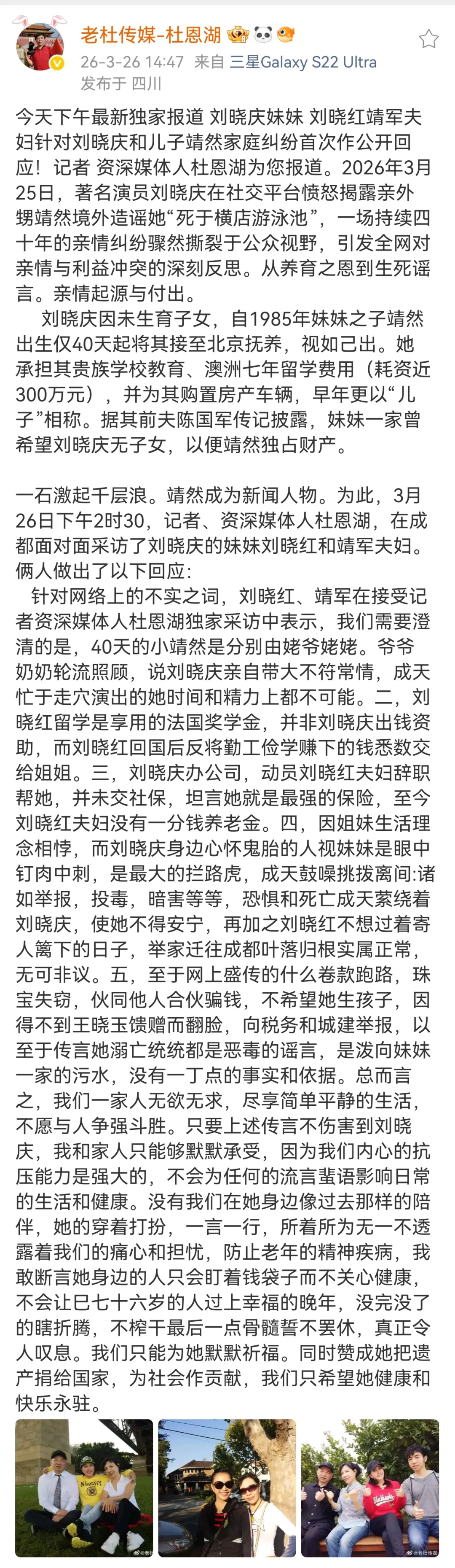
Liu Xiaoqing, the legendary Chinese actress, is alive and well, despite viral rumors claiming otherwise. Her sister and nephew have issued legal denials regarding false claims of her death, lack of heirs, and jewelry theft. The incident highlights the urgent need for robust digital reputation management in the modern celebrity ecosystem.
The Economics of the Digital Death Hoax
In the hyper-connected media landscape of 2026, the death hoax has evolved from a morbid prank into a calculated weapon of brand erosion. Liu Xiaoqing, a titan of the Chinese film industry known for her roles in The Empress Dowager and decades of box office dominance, found herself at the center of a vicious digital storm this week. The rumors were not merely about her passing; they were specific, malicious, and designed to dismantle her legacy. Claims circulated that she had died without issue, that her family hoped for her demise to secure an inheritance, and that her personal jewelry had already been pilfered.
This is not standard gossip; it is a coordinated attack on brand equity. When a star of Liu’s caliber is declared deceased, the immediate market reaction involves a freeze on active endorsement deals and a chaotic scramble regarding intellectual property rights. Studios holding back catalog titles suddenly face questions about syndication rights, while advertisers pull campaigns to avoid the optics of selling products alongside a “deceased” icon. The financial bleed is instantaneous, often requiring immediate intervention from specialized crisis communication firms to stem the loss of commercial viability.
Family Feuds as IP Liabilities
The response from Liu’s family was swift, yet the nature of the allegations exposes a darker underbelly of celebrity estate planning. Liu’s sister and nephew released statements categorically denying the rumors, labeling the accusations of “hoping for no descendants” and “theft of jewelry” as baseless fabrications. The nephew further escalated the situation by issuing a formal lawyer’s statement, threatening legal action against the originators of the slander.
From an industry perspective, this transforms a personal family dispute into a public intellectual property liability. In an era where a celebrity’s likeness is a tradeable asset, disputes over inheritance and personal property often spill over into the public domain, confusing licensing partners and streaming platforms. The narrative of “family infighting” suggests instability, which is poison for long-term franchise development or biographical projects currently in development.
“In 2026, a death rumor is a liquidity event. It triggers clauses in insurance policies and endorsement contracts that can cost a talent millions before the first correction is printed. The speed of verification is the only currency that matters.”
According to data from major social sentiment analysis firms, death hoaxes regarding top-tier celebrities have increased by 14% year-over-year, driven by click-farm algorithms seeking ad revenue from shock traffic. Liu Xiaoqing has been the target of such rumors at least six times previously, indicating a persistent vulnerability in her digital footprint. This repetition suggests that standard denial posts are no longer sufficient. The industry standard has shifted toward proactive reputation defense, often managed by reputation management attorneys who specialize in scrubbing defamatory content from search engine results before it impacts valuation.
The Logistics of Legacy Protection
The specific accusation that the family wished for Liu to have “no descendants” touches on the sensitive issue of succession planning. For aging icons in the entertainment sector, the question of who controls the archive, the likeness, and the residual income streams is paramount. Without a clear, publicly vetted succession plan, rumors of “grasping relatives” or “stolen assets” thrive in the information vacuum.
Professionals in the estate planning and trusts sector note that high-net-worth individuals in the public eye require more than just a will; they need a comprehensive media strategy integrated into their legal framework. This ensures that upon any significant life event—real or fabricated—the narrative is controlled by the estate, not by opportunistic trolls or distant relatives seeking leverage.
Liu’s response, quoting the classic poem “本是同根生,相煎何太急” (Why do you rush to boil me, when we are grown from the same root?), adds a layer of cultural poignancy to the legal battle. However, poetry does not stop the bleeding of brand value. The incident serves as a stark reminder to the global entertainment directory: talent is fragile. Protecting it requires a coalition of elite legal counsel, aggressive PR strategists, and digital forensics experts who can trace the source of the disinformation.
Conclusion: The Cost of Verification
As Liu Xiaoqing continues her career, undeterred by the digital noise, the industry watches closely. The resolution of this feud will likely set a precedent for how Chinese entertainment law handles digital defamation involving family members. For the broader market, the lesson is clear: in the age of AI-generated deepfakes and algorithmic outrage, the verification of life and legacy is a business critical function. Brands and agencies must stop treating these rumors as mere tabloid fodder and start treating them as the financial emergencies they are, engaging the right digital forensics and security partners to protect their most valuable assets.