
LIRR Strike Shuts Down Long Island Rail Road Operations
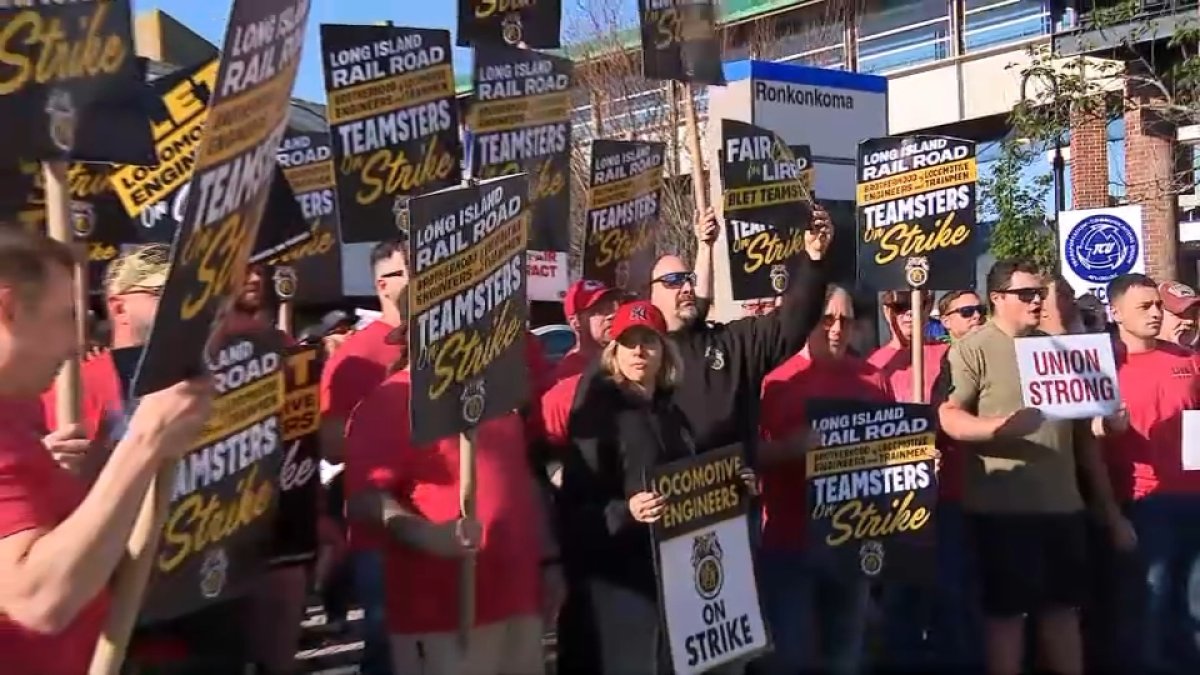
On Saturday, May 16, 2026, unionized workers representing roughly half of the Long Island Rail Road (LIRR) workforce initiated a systemwide strike. The walkout follows months of failed negotiations over salaries and healthcare premiums, paralyzing North America’s largest commuter rail system and threatening significant disruption to New York’s regional economy.
The silence on the tracks this morning is deafening. For the millions of commuters who rely on the Long Island Rail Road to bridge the gap between the suburban reaches of Long Island and the economic engine of New York City, the sudden cessation of service is more than an inconvenience—it is a structural shock to the region’s daily rhythm.
Early Saturday morning, five unions representing a massive portion of the LIRR workforce walked off the job, bringing North America’s largest commuter rail system to a complete standstill. While the strike was legally permitted to begin at 12:01 a.m., the suddenness of the total shutdown has left many residents scrambling for alternatives.
A Deadlock Over Dollars and Healthcare
The breakdown in communication comes after months of intense, often fraught, negotiations. Despite attempts at federal intervention—including efforts by the Trump administration to broker a compromise—the two sides remain fundamentally misaligned on the core pillars of the new contract: worker compensation and the rising cost of medical benefits.
The MTA has maintained that it has met the unions’ financial demands, suggesting the walkout was an inevitable tactical move. Janno Lieber, the MTA chairman, stated that the agency “gave the union everything they said they wanted in terms of pay,” expressing his belief that the unions had always intended to strike regardless of the concessions made.
The unions, however, present a different reality. Representing locomotive engineers, machinists, signalmen and other essential train workers, the labor groups argue that current salary structures are no longer sufficient to combat the dual pressures of inflation and the escalating cost of living.
“We’re far apart at this point. We are truly sorry that we are in this situation.”
Kevin Sexton, the National Vice President of the Brotherhood of Locomotive Engineers and Trainmen, confirmed that as of Saturday morning, no new negotiations have been scheduled. This lack of an immediate path back to the table leaves the region in a state of high-stakes uncertainty.
The impasse is deeply rooted in the tension between labor protections and rider affordability. While the MTA argues that meeting the unions’ initial demands would necessitate significant fare hikes, the unions insist that substantial raises are a matter of economic survival for their members.
The Economic and Social Ripple Effect
The implications of this shutdown extend far beyond the train platforms. With approximately 250,000 people relying on the LIRR for daily commutes, the immediate consequence is a massive migration of travelers to the region’s already strained roadway infrastructure.
For many, the alternative is a grueling drive through notorious congestion. As the workforce attempts to pivot to cars, the risk of regional gridlock becomes a mathematical certainty.
The impact is particularly acute for those in sectors that cannot be performed from a home office. Lisa Daglian, executive director of the Permanent Citizens Advisory Committee to the MTA, highlighted the plight of essential workers who lack the luxury of telecommuting.
“You work in construction, you work in the healthcare industry, you work at a school or you’re about to graduate from school, that’s not always possible,” Daglian noted. “People need to get where they need to go.”

Beyond the daily grind, the strike is set to disrupt the cultural and recreational heartbeat of the city. This weekend, sports fans looking to attend baseball games featuring the New York Yankees or the Mets, or those heading to Madison Square Garden for the NBA’s New York Knicks playoff run, will find their travel plans severely compromised. Both major venues rely heavily on dedicated LIRR stops to manage the influx of spectators.
The financial burden of this labor dispute may eventually land on the shoulders of the exceptionally people the system is designed to serve. Gerard Bringmann, chair of the LIRR Commuter Council, warned that if the unions secure the requested pay increases, the cost will likely be passed to the riders.
“Like the union workers, we too are burdened by the increase in the cost of living here on Long Island,” Bringmann stated, noting that a potential doubling of next year’s planned 4% fare increase to 8% is a looming threat.
The Political High-Stakes Game
This represents not merely a labor dispute; it is a political powder keg. With Governor Kathy Hochul facing reelection later this year, the stability of the Long Island transit corridor is a critical factor in her political survival. Long Island represents a vital voting bloc, and a prolonged shutdown that results in increased costs for residents could be devastating to her campaign.
Labor relations experts suggest that the pressure on the MTA to reach a swift resolution will be immense. William Dwyer, a labor relations expert at Rutgers University, pointed out that the Governor’s political interests are directly tied to the outcome of this strike. According to Dwyer, a significant fare hike following a disruptive strike “does not bode well” for her on Election Day.
The legal framework governing this dispute is complex. Under the Railway Labor Act, federal mediation is often used to prevent strikes that could cripple national commerce. The fact that these unions have reached the point of a legal walkout suggests that the traditional channels of mediation have been exhausted, leaving the state and the federal government in a demanding position.
Navigating the Disruption
As the shutdown persists, the focus for many is shifting from “when will it end” to “how do we manage now.” For businesses and individuals, the disruption requires immediate and strategic adaptation.
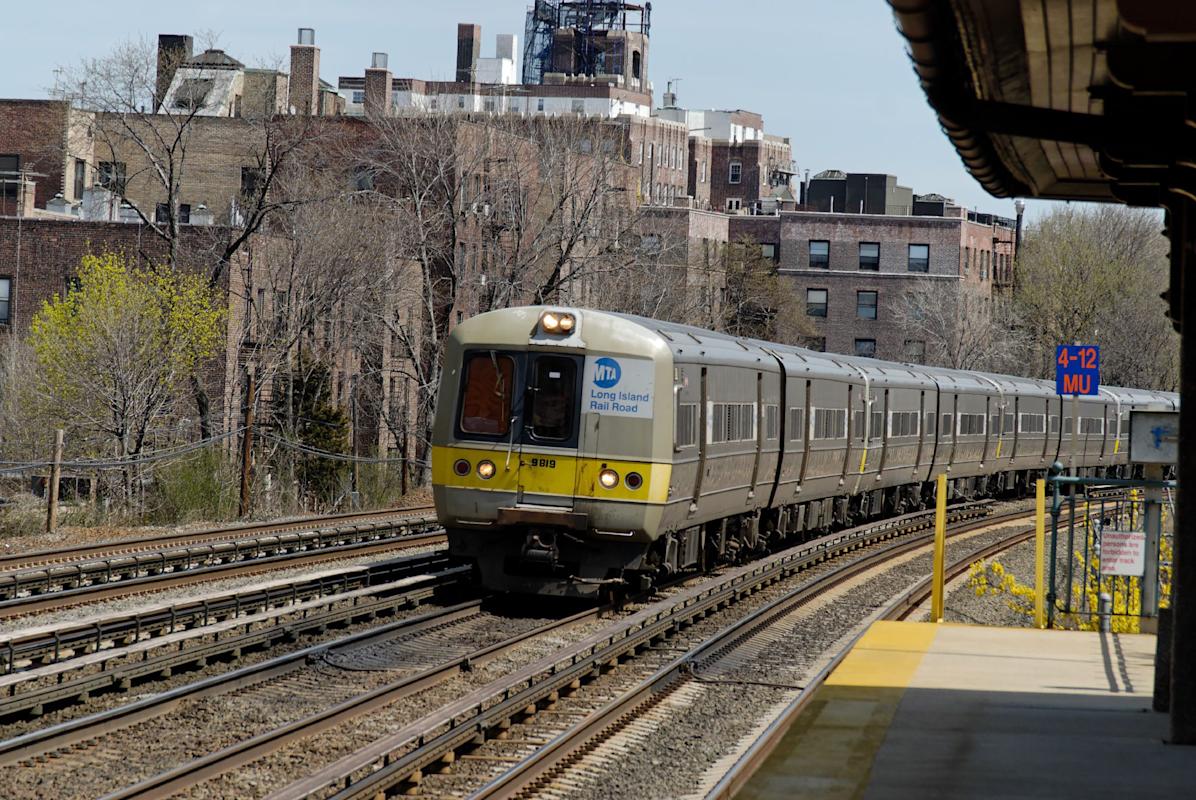
For regional corporations, the sudden loss of reliable employee transit necessitates a shift in operational planning. Organizations are increasingly looking toward [Logistics and Transportation Consultants] to help redesign supply chains and employee transit models to mitigate the impact of infrastructure failures.
the legal ramifications of stalled contracts and the potential for service-related liability are driving many firms to consult with [Employment and Labor Law Specialists] to ensure they are protected as the situation evolves. For those managing large-scale operations, ensuring business continuity in the face of transit volatility is no longer optional; it is a requirement for survival.
While the MTA has pledged to provide limited shuttle buses to connect with New York City subway stations, these measures are not designed to accommodate the full volume of the LIRR’s daily ridership. Residents are encouraged to monitor official MTA updates and consult New York State resources for real-time travel alternatives.
As the weekend approaches, the eyes of the nation will be on the Long Island Rail Road. Whether this strike ends in a landmark agreement or a prolonged period of regional paralysis will depend on whether the MTA and the five unions can find a way to balance the economic dignity of workers with the financial reality of the commuters who keep the region moving. In the meantime, the commuters of Long Island are left to navigate a landscape of uncertainty, one road at a time.
For more in-depth analysis and to find verified professionals to assist with your business’s contingency planning, continue exploring the World Today News Directory.