Lionel Messi, Antonela Roccuzzo, and the Backstage Controversies: Gender Bias in Media
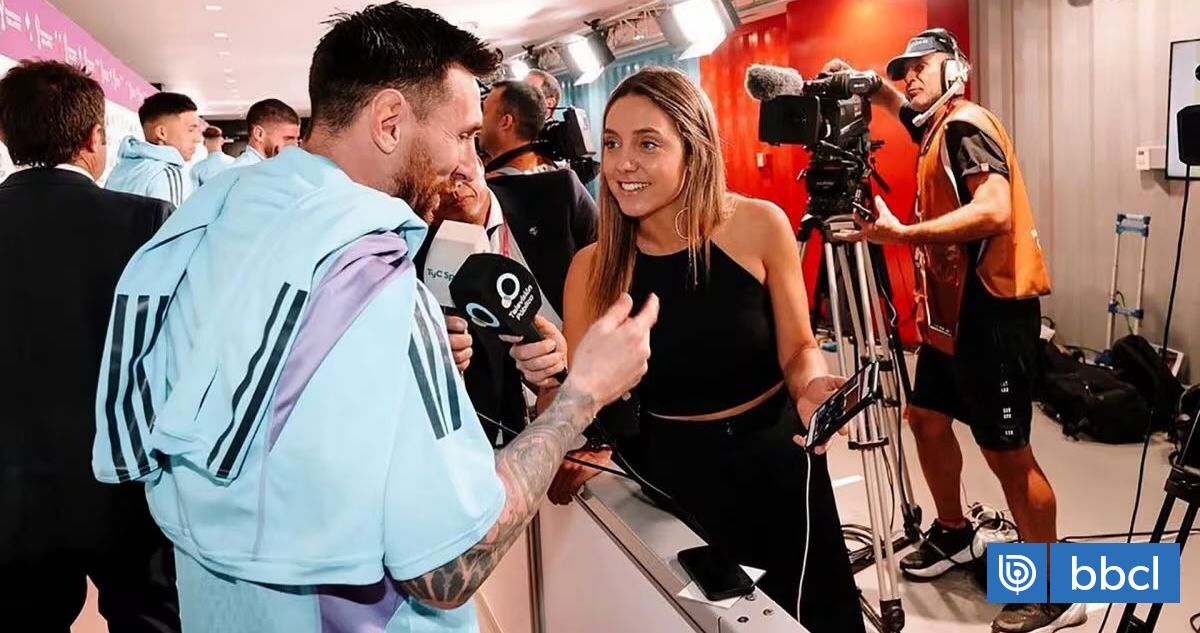
Lionel Messi’s interactions with sports journalists, specifically reporter Sofi Martínez, have ignited a public debate regarding professional boundaries and gender dynamics in sports media. Following viral footage of their exchanges in mixed zones, public figures and media outlets have polarized over the nature of these interactions and the subsequent response from Antonela Roccuzzo.
The Mechanics of Mixed Zone Interactions
The controversy centers on recurring interactions between Lionel Messi and journalist Sofi Martínez during high-profile football matches. These exchanges, often characterized by casual, friendly dialogue, have faced scrutiny from some media figures who question the professional distance maintained between the player and the press. According to reports from La Nación, the discourse reached a peak when clips of the pair sparked a wave of public commentary, with some critics suggesting the dynamic was inappropriate for a professional setting.
In the world of elite sports, the “mixed zone” is a highly regulated, high-pressure environment where journalists are granted brief windows to interview athletes immediately following competitive play. Managing these interactions requires a strict adherence to professional protocols.
Media Scrutiny and the Question of Gender Bias
The public reaction to the Messi-Martínez interaction has been split along ideological lines. Tamara Pettinato, as reported by TN, questioned Messi’s decision to engage in such a manner, sparking a wave of backlash. Conversely, other members of the Argentine media have defended Martínez, arguing that the intensity of the criticism is rooted in systemic gender bias. According to comments cited by RedGol, some analysts contend that the scrutiny directed at the journalist is disproportionate and would not be applied to a male counterpart in the same position.

This situation highlights the broader challenges women face in sports journalism.
The Role of Antonela Roccuzzo in Public Narratives
Amidst the speculation, Antonela Roccuzzo has taken a proactive stance. Reports from MinutoUno confirm that Roccuzzo not only moved to dispel rumors regarding the nature of the interactions but also used the platform to address the underlying machismo present in traditional sports media coverage. By directly confronting the narrative, Roccuzzo shifted the focus from the athlete’s personal life to the professional environment in which these journalists operate.

This incident reflects the changing landscape of athlete management, where the personal lives of stars are increasingly integrated into their commercial and public profiles.
Strategic Implications for Sports Infrastructure
While the focus of this controversy has remained on personal dynamics, the underlying issue for professional sports entities is the management of media access. Efficient media operations are a cornerstone of modern sports business, directly influencing broadcast revenue and sponsor satisfaction. When media narratives shift toward the personal, the core business of sports—the competition itself—can be overshadowed.
The ability to maintain a professional standard in the face of intense public interest is a skill set that extends beyond the pitch. For those involved in the sports industry, maintaining a focus on performance metrics, tactical execution, and professional conduct remains the primary objective.
As the current season progresses, the ability of athletes and journalists to maintain clear professional boundaries will continue to be a subject of intense public observation. Success in this arena requires not just talent, but the support of a professional network that understands the pressures of the modern sporting landscape.
Disclaimer: The insights provided in this article are for informational and entertainment purposes only and do not constitute medical advice or sports betting recommendations.