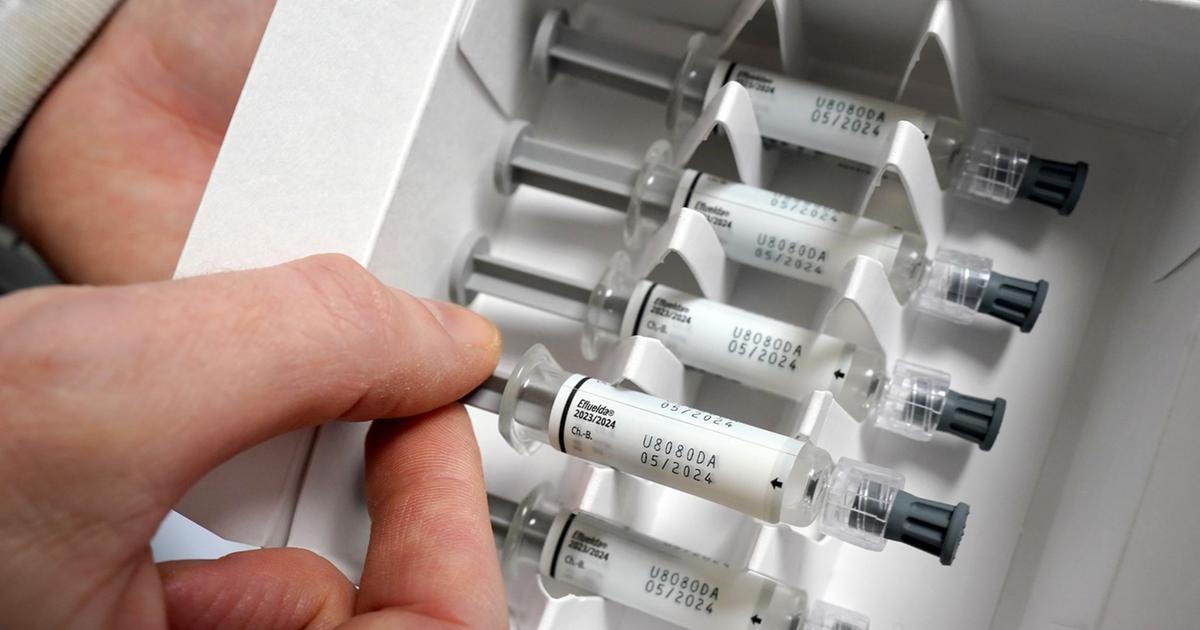
Linnemann Rejects Flu Vaccine Shortage Claims as Germany Confirms 20.2 Million Doses
Germany currently has 20.2 million influenza vaccine doses available, a figure that matches or exceeds previous years despite reports of localized shortages in some medical practices.
- The Paul-Ehrlich-Institut confirmed that 20.2 million doses were released as of November 8, 2026.
- The total number of approved vaccines surpassed 2025 levels by approximately 1.7 million doses as of October 18, 2026.
- The Robert Koch-Institut recommends vaccination between October and mid-December for high-risk groups.
She added that these logistical hurdles are forcing practices to reschedule appointments and contact multiple pharmacies to source supplies.
Former Federal Health Minister Karl Lauterbach rejected claims of a systemic failure, attributing the delays to the necessary adaptation of this year’s vaccine formulations, according to Terraworldnews. "The late delivery is not a political failure, but is due to the relatively late development of the new vaccines," Lauterbach told the Kölner Stadt-Anzeiger, according to WEB.DE News.
He emphasized that the 20 million doses ordered for Germany will be delivered and are sufficient for the population.

Health Minister Carsten Linnemann’s office also dismissed concerns regarding a national shortage. A spokesperson for the ministry told the Kölner Stadt-Anzeiger that the supply is currently secured and that no nationwide bottlenecks for approved influenza vaccines are evident. The Paul-Ehrlich-Institut acknowledged that the testing and release of batches began later than in previous years, but confirmed that the volume of approved doses has now reached standard levels.
The German Association of General Practitioners reports that supply inconsistencies are actively disrupting regional immunization efforts. Federal chair Nicola Buhlinger-Göpfarth explained that practices are frequently forced to contact multiple pharmacies to locate available stock, a process that results in the repeated rescheduling of patient appointments.
Buhlinger-Göpfarth said that these logistical difficulties directly hinder the national vaccination campaign. Because medical practices are required to order supplies roughly nine months in advance, she emphasized that receiving incomplete or delayed shipments creates substantial operational challenges for doctors already struggling with low vaccination rates.

Former Federal Health Minister Karl Lauterbach defended the current supply situation by citing the technical requirements of the latest influenza formulations. He said that the production timeline was extended because all vaccines needed to be updated to match current virus strains, rather than experiencing a failure in policy.
Despite these production hurdles, authorities maintain that the total volume of 20.2 million released doses is sufficient to meet demand, as the season typically intensifies during the holidays and throughout January.
"People over 60 should urgently make appointments now, with family doctors or in pharmacies," Lauterbach said. He said that if a specific preferred brand is unavailable, patients can safely switch to alternatives because all available vaccines are highly effective. He urged high-risk groups, including those over 60, those with chronic illnesses, pregnant women, and medical staff, to prioritize vaccination before the influenza wave intensifies during the holidays and into January.
Worth a look
- University of Tartu Study: Past Medications Leave Lasting Gut Microbiome Changes
- WHO’s Tedros Says DRC Fighting Disrupts Ebola Response
- UN Climate Summit Collapses in Antalya; Report Claims Leaders Met in China (archyde.com)
- ESA Confirms BepiColombo Enters Mercury Orbit After Eight-Year Journey (time.news)