Lindsay Clancy Trial Exposes Critical Gaps in Postpartum Psychosis Care
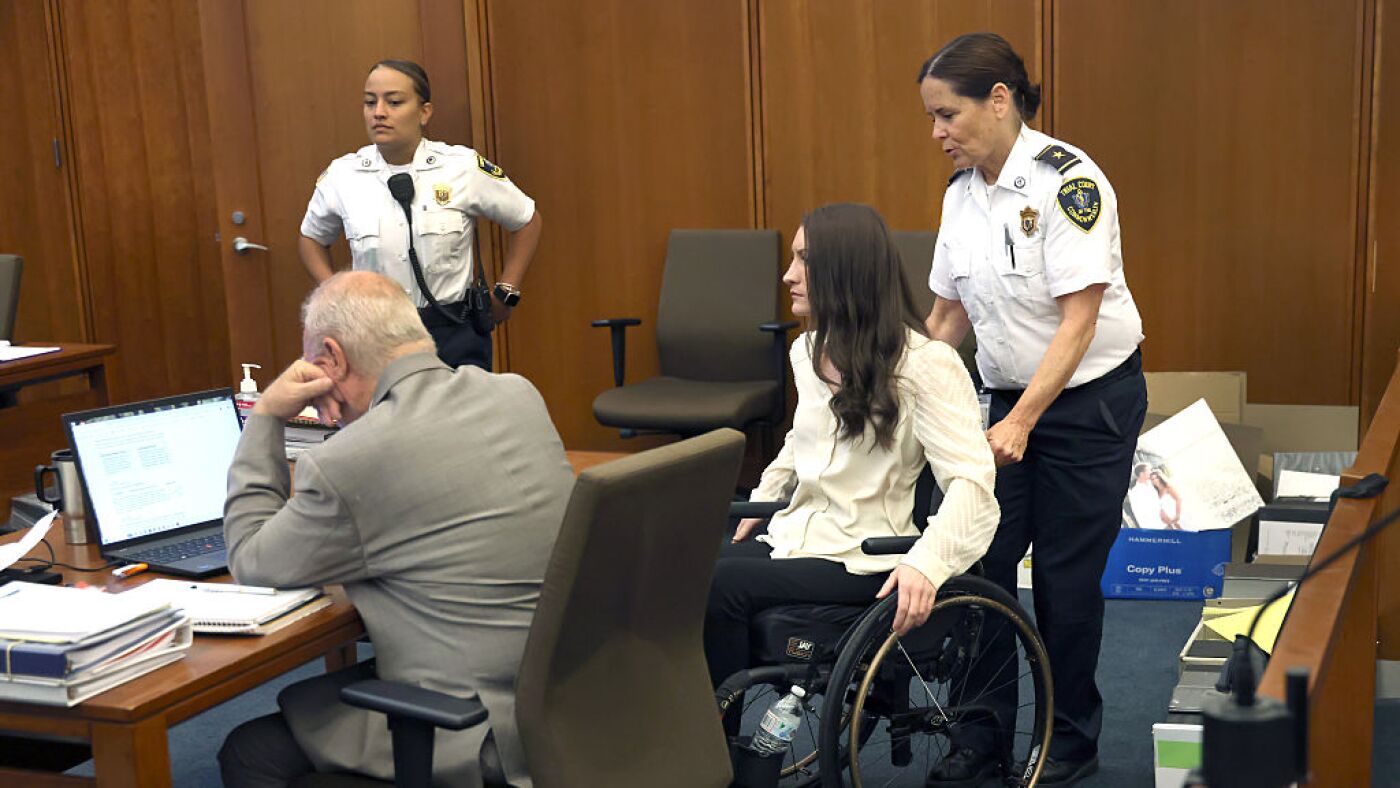
The ongoing trial of Lindsay Clancy in Massachusetts has placed a national spotlight on the medical and systemic challenges surrounding postpartum psychosis. Clancy, a former labor and delivery nurse, faces three murder charges for the 2023 deaths of her children, with her defense team arguing she was in the grip of severe, untreated mental illness.
The Legal Defense and Clinical Reality
Clancy’s defense, led by attorney Kevin Reddington, asserts that she was suffering from postpartum psychosis—a rare, severe condition affecting roughly 1 in 1,000 women—at the time of the incident. According to court testimony reported by Good Morning America, the defense alleges that Clancy was overmedicated and failed by a medical system that did not adequately address her escalating mental health crisis. Prosecutors, however, maintain that Clancy is criminally responsible for her actions, arguing that a diagnosis of mental illness does not absolve an individual of criminal culpability.
The case has forced a difficult conversation about the limitations of current postpartum care. Patrick Clancy, Lindsay’s former husband, testified regarding his wife’s history of anxiety, sleep deprivation, and struggles with various medication changes in the months leading up to the tragedy. Despite these struggles, he noted that on the day of the incident, she appeared to be having a relatively stable day.
Systemic Gaps in Maternal Mental Health
The clinical landscape for new mothers remains fraught with obstacles. As reported by The Boston Globe, only about one-third of women experiencing postpartum mental health symptoms receive screening. Postpartum psychosis, distinct from the more common postpartum depression, involves hallucinations, paranoia, and a detachment from reality that requires immediate, specialized intervention.
The difficulty of accessing this level of care is a primary concern for advocacy groups and medical professionals. When standard care paths fail to identify high-risk patients, families are often left without support.
Legislative and Clinical Responses
In the three years since Clancy was charged, Massachusetts has enacted a broad maternal health law designed to improve outcomes. This legislation mandates expanded screening requirements and promotes postpartum home visits. Furthermore, the state has bolstered available resources, including a dedicated hotline at 866-472-1897. Despite these improvements, experts suggest that significant gaps remain.

Dr. Neel Shah, chief medical officer of Maven Clinic, notes that there is a growing push to include postpartum psychosis as a distinct diagnosis in the Diagnostic and Statistical Manual of Mental Disorders (DSM). Formalizing this diagnosis could improve the ability of frontline providers—such as obstetricians and pediatricians—to recognize the signs of the condition earlier.
The demand for dedicated mother-baby psychiatric units, which allow mothers to receive inpatient treatment without being separated from their infants, remains a central point of advocacy. Many mothers, fearful of losing custody of their children, often hide the severity of their symptoms from medical providers. This fear creates a dangerous barrier to life-saving intervention.
Navigating the Support Landscape
The Clancy case underscores the reality that even those with professional medical backgrounds can find themselves lost in a fragmented system.

As the trial continues to unfold in Plymouth Superior Court, the broader impact on public policy and clinical practice is already being felt. The tragedy serves as a stark reminder that the period following childbirth is a vulnerable time requiring vigilant, specialized, and accessible support. Ensuring that families have access to the right resources—from primary care oversight to specialized psychiatric assistance—is the only way to address the systemic failures highlighted by this case.