Lindsay Clancy Murder Trial: Key Moments and Insanity Defense Explained
Lindsay Clancy, a 36-year-old Massachusetts mother, faces three counts of first-degree murder following the January 2023 deaths of her children, Cora, Dawson, and Callan. As the five-week trial concludes, defense attorneys argue she suffered from postpartum psychosis, while prosecutors contend she executed a calculated, intentional plan to kill.
The Legal Conflict: Insanity Defense Versus Premeditated Intent
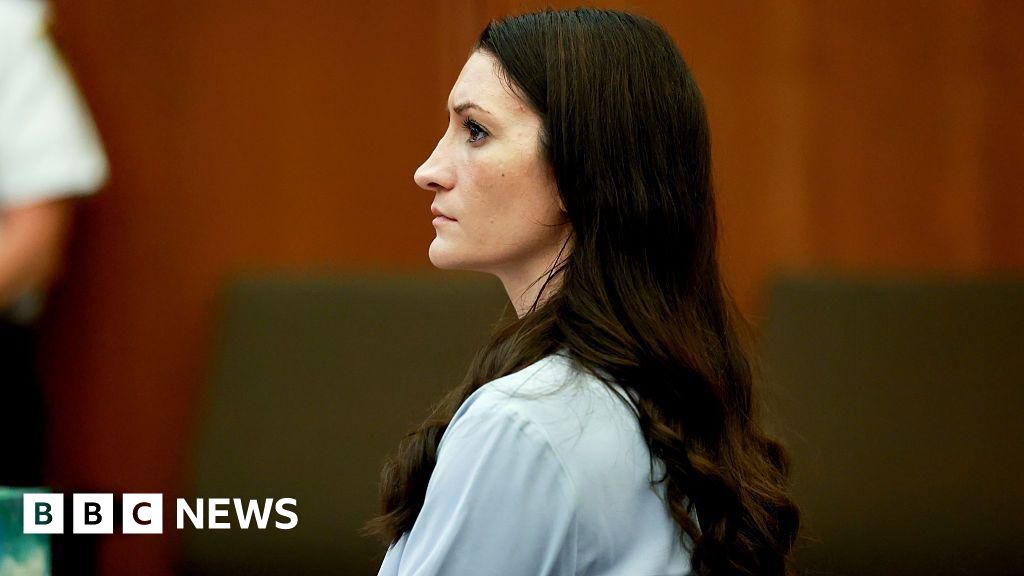
The trial centers on whether Clancy possessed the capacity to understand her actions or conform her conduct to the law. Prosecutors allege that on January 24, 2023, Clancy orchestrated a window of time for the killings by sending her husband, Patrick Clancy, on errands. According to evidence presented in court, she strangled the three children with fitness bands before jumping from a second-floor window. She survived the fall but remains paralyzed, attending the trial in a wheelchair.
The defense team maintains that Clancy’s mental state had deteriorated rapidly following the birth of her youngest child. They point to a history of medical intervention, including a psychiatric hospitalization just days before the incident. The defense argues this history confirms she was experiencing severe hallucinations and delusions, consistent with postpartum psychosis, a condition that can cause a detachment from reality.
Legal experts observe that the outcome hinges on the jury’s interpretation of her mental state during the specific hours of the crime.
Testimony and the Scope of the Case
Over five weeks, the courtroom heard from more than 10 expert witnesses. The testimony provided a granular look at the months leading up to the tragedy. Patrick Clancy, the defendant’s ex-husband, provided two days of emotional testimony, detailing his wife’s weight loss, depression, and stated thoughts of suicide. His account of discovering his children in the basement remains a central, harrowing piece of evidence that has been subject to intense public scrutiny.
Despite the defense’s focus on her medical history, the prosecution highlighted the steps Clancy allegedly took to clear the home of witnesses. The tension between her documented mental health struggles and the alleged planning of the act has left the jury with a difficult deliberation process. The case has also highlighted the broader societal discourse surrounding maternal mental health, with supporters gathering outside the courthouse to advocate for greater recognition of postpartum psychiatric disorders.
The Role of Psychiatric Testimony
A significant portion of the trial involved conflicting psychiatric testimony. The prosecution utilized an FBI psychiatrist who testified that he did not believe Clancy heard a voice commanding her to kill her children, a key component of the defense’s narrative regarding her delusions. This disagreement between experts forms the core of the jury’s upcoming decision.

The case has reached a critical juncture as the court moves toward closing arguments. The jury must now weigh the prosecution’s argument of premeditation against the defense’s assertion of a psychotic break. The stakes are absolute: if convicted of first-degree murder, Clancy faces life in prison without the possibility of parole.
When legal proceedings involve complex psychiatric evidence, the role of expert testimony becomes the primary pillar of the case.
A Community and Legal Reckoning
The trial has drawn thousands of observers, particularly online, reflecting a deep societal interest in the case. The public reaction has been polarized, with some online commentators speculating about the husband’s involvement—theories that have been dismissed by law enforcement, who have never named him a suspect. The focus remains entirely on the actions of Lindsay Clancy.
As the trial concludes, the case serves as a somber reminder of the limitations of current mental health interventions. The tragedy in Duxbury has forced a reassessment of how the legal system handles cases where severe mental illness and criminal violence intersect. Whether the jury finds that Clancy was a victim of a medical crisis or a perpetrator of calculated violence will likely set a precedent for future cases involving postpartum conditions.
The final verdict will not only determine the fate of one individual but will also leave an indelible mark on the community of Duxbury and the broader American legal landscape.
Worth a look
- Workplace Injury Guide: Critical Steps to Take in the First 72 Hours
- Trump Declares Mission Accomplished in Iran Despite Ongoing Conflict
- Lindsay Clancy Trial Nears Closing Arguments in Massachusetts Murder Case (newsy-today.com)
- Novel TB vaccine candidate misses the mark in phase 3 trial in newborns (archyde.com)