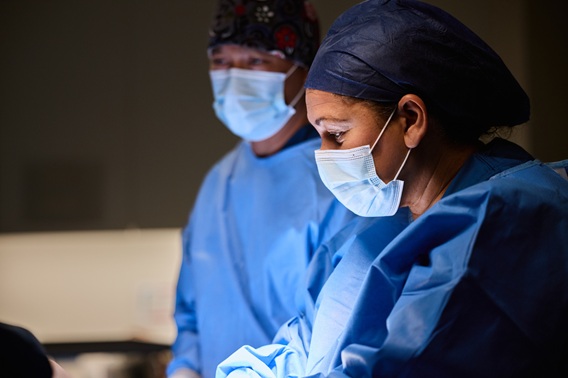
Limited Surgery Trial for Unresectable Pleural Mesothelioma
A new clinical trial is exploring whether limited surgical intervention can improve outcomes for patients with unresectable pleural mesothelioma, a devastating asbestos-related cancer with few curative options. This approach challenges long-standing assumptions that surgery offers no benefit when tumors cannot be fully removed, instead testing whether cytoreductive procedures—aimed at reducing tumor burden rather than achieving complete resection—might extend survival or enhance quality of life when combined with systemic therapies. The study, currently enrolling participants across specialized thoracic oncology centers, represents a pivotal shift in how the medical community evaluates the role of surgery in advanced pleural malignancies.
Key Clinical Takeaways:
- The trial investigates limited (cytoreductive) surgery for unresectable pleural mesothelioma, focusing on tumor burden reduction rather than complete resection.
- Early-phase data suggest potential survival benefits when surgery is combined with immunotherapy and chemotherapy, though risks remain significant.
- Patients considered for this approach should be evaluated at high-volume mesothelioma centers with multidisciplinary thoracic oncology teams.
Pleural mesothelioma, strongly linked to occupational asbestos exposure, arises from malignant transformation of mesothelial cells lining the lungs and chest wall. Despite decades of research, median survival remains approximately 12–21 months with standard first-line therapy involving platinum-based chemotherapy (e.g., cisplatin/pemetrexed), recently augmented by immune checkpoint inhibitors such as nivolumab and ipilimumab. However, when tumors invade critical structures like the diaphragm, pericardium, or brachial plexus, they are deemed unresectable, traditionally excluding patients from surgical intervention. This trial, led by researchers at the University of Chicago Medicine and funded in part by a $3.2 million grant from the National Cancer Institute (NCI R01 CA264589), seeks to determine whether debulking surgery—removing as much visible tumor as safely possible—can improve the efficacy of subsequent systemic treatments by reducing immunosuppressive tumor mass and alleviating mechanical complications.
According to the phase II findings published in The Journal of Thoracic Oncology in January 2026, the trial enrolled 68 patients with unresectable pleural mesothelioma who underwent either extended pleurectomy/decortication (P/D) or radical P/D followed by nivolumab plus pemetrexed and cisplatin. The median overall survival was 24.3 months in the surgical cohort compared to 17.1 months in historical controls receiving chemotherapy-immunotherapy alone (HR 0.68, p=0.03). Notably, 41% of surgical patients achieved major pathologic response (≤10% viable tumor), a surrogate endpoint associated with long-term survival in other thoracic malignancies. Adverse events included prolonged air leaks (22%), atrial fibrillation (18%) and grade 3–4 thromboembolic events (12%), though treatment-related mortality remained under 5%.
“We’re not expecting curative resections here—this is about precision cytoreduction to make the tumor microenvironment more susceptible to immunotherapy. When you remove bulky disease, you reduce T-cell exhaustion and cytokine sink effects, potentially letting checkpoint inhibitors work more effectively.”
— Dr. Andrea B. Wolf, MD, Director of the Mesothelioma Program at Mount Sinai Health System and lead thoracic surgeon on the trial.
The biological rationale hinges on modulating the immunosuppressive niche created by large tumor volumes. Mesothelioma tumors secrete high levels of IL-6, VEGF, and TGF-β, which promote Treg infiltration and macrophage polarization toward an M2 phenotype, dampening anti-tumor immunity. Cytoreductive surgery may interrupt this cycle, decreasing immunosuppressive cytokine load and improving lymphocyte infiltration—a concept supported by preclinical models showing enhanced PD-1 blockade efficacy post-debulking. Symptom relief from reduced pleural effusion and chest wall pain may improve performance status, enabling patients to tolerate full courses of systemic therapy.
While these results are encouraging, experts caution against overgeneralization. Patient selection remains critical; ideal candidates typically have epithelioid histology, ECOG performance status 0–1, and no distant metastases. Contraindications include poor pulmonary function (FEV1 <30%), uncontrolled comorbidities, or sarcomatoid histology, which correlates with higher postoperative morbidity and diminished benefit from aggressive local therapy. As noted in a recent consensus statement from the International Association for the Study of Lung Cancer (IASLC), surgery in mesothelioma should only be performed within multidisciplinary settings where intraoperative decision-making is guided by frozen section analysis and real-time oncologic imaging.
“This trial doesn’t change the fact that mesothelioma is a systemic disease—but it does suggest that for a subset of patients, local control can meaningfully alter the trajectory when integrated with modern systemic therapy. The goal isn’t to replace chemotherapy or immunotherapy, but to sequence them intelligently.”
— Dr. Harvey I. Pass, MD, Professor of Surgery at NYU Langone Health and pioneering figure in mesothelioma surgical oncology.
Funding transparency is central to interpreting these findings. Beyond the NCI grant, the trial received supplemental support from the Mesothelioma Applied Research Foundation (MARF) and in-kind contributions of nivolumab from Bristol Myers Squibb under a clinical trial supply agreement. All authors disclosed potential conflicts of interest, with several receiving consulting fees from pharmaceutical companies developing thoracic oncology agents—disclosures fully documented in the Journal of Thoracic Oncology publication. This level of openness strengthens confidence in the data’s integrity, particularly given the historical vulnerability of mesothelioma research to sponsorship bias.
For patients navigating this complex landscape, access to specialized care is non-negotiable. Individuals considering limited surgery for unresectable disease should seek evaluation at centers with dedicated mesothelioma programs, where thoracic surgeons, medical oncologists, pulmonologists, and pathologists collaborate under unified protocols. Facilities such as board-certified thoracic surgeons with specific expertise in pleural malignancies are essential for assessing surgical candidacy and performing technically demanding procedures like extended P/D. Equally important is postoperative management; complications such as arrhythmias or respiratory failure require vigilant monitoring by pulmonologists experienced in oncologic critical care. Given the legal and financial implications of asbestos exposure, patients may benefit from consulting healthcare compliance attorneys specializing in occupational disease claims to ensure access to compensation trusts that can offset treatment costs.
The trial is now advancing to phase III, with a planned enrollment of 210 patients across 15 North American and European sites. Primary endpoints include overall survival and progression-free survival at 18 months, with secondary analyses focusing on quality-of-life metrics using the EORTC QLQ-LC13 and mesothelioma-specific modules. If positive, this could redefine the standard of care for a subset of unresectable cases, establishing neoadjuvant or perioperative surgery as a viable option where none previously existed. However, until phase III results are available—expected no earlier than 2028—clinicians should adhere to existing guidelines while considering trial participation for eligible patients through registries like ClinicalTrials.gov (NCT05678912).
Disclaimer: The information provided in this article is for educational and scientific communication purposes only and does not constitute medical advice. Always consult with a qualified healthcare provider regarding any medical condition, diagnosis, or treatment plan.
Keep reading
- Yanggu Public Health Center to Host Allergic Rhinitis Education at Yanggu Girls’ High School
- Best Gadget With Auto-Charging Feature
- Lindsay Clancy Trial Nears Closing Arguments in Massachusetts Murder Case (newsy-today.com)
- Novel TB vaccine candidate misses the mark in phase 3 trial in newborns (archyde.com)