
Light Sheet Technology Reveals Secrets of Early Books & Paper History
Washington State University Libraries’ Manuscripts, Archives, and Special Collections (MASC) has acquired a light sheet, a revolutionary tool enabling researchers to non-destructively analyze the paper structures—watermarks, fiber distribution—within pre-1800 books, unlocking new insights into provenance, dating, and the historical trade of paper across Europe and beyond.
Unveiling Hidden Histories: The Light Sheet and the Future of Book History
The world of rare books and manuscript studies is undergoing a quiet revolution. It’s not about digitization, though that plays a role, but about *seeing* more deeply into the physical object itself. The newly acquired light sheet at WSU’s MASC isn’t just a piece of equipment. it’s a portal to the past, allowing scholars to decipher the secrets embedded within the very fabric of early printed books. This isn’t merely an academic exercise. Understanding the origins and movement of paper has significant implications for tracing the intellectual and commercial networks of the Renaissance and early modern periods, impacting fields from literary history to art conservation.
The Paper Trail: Fabriano and the Evolution of Papermaking
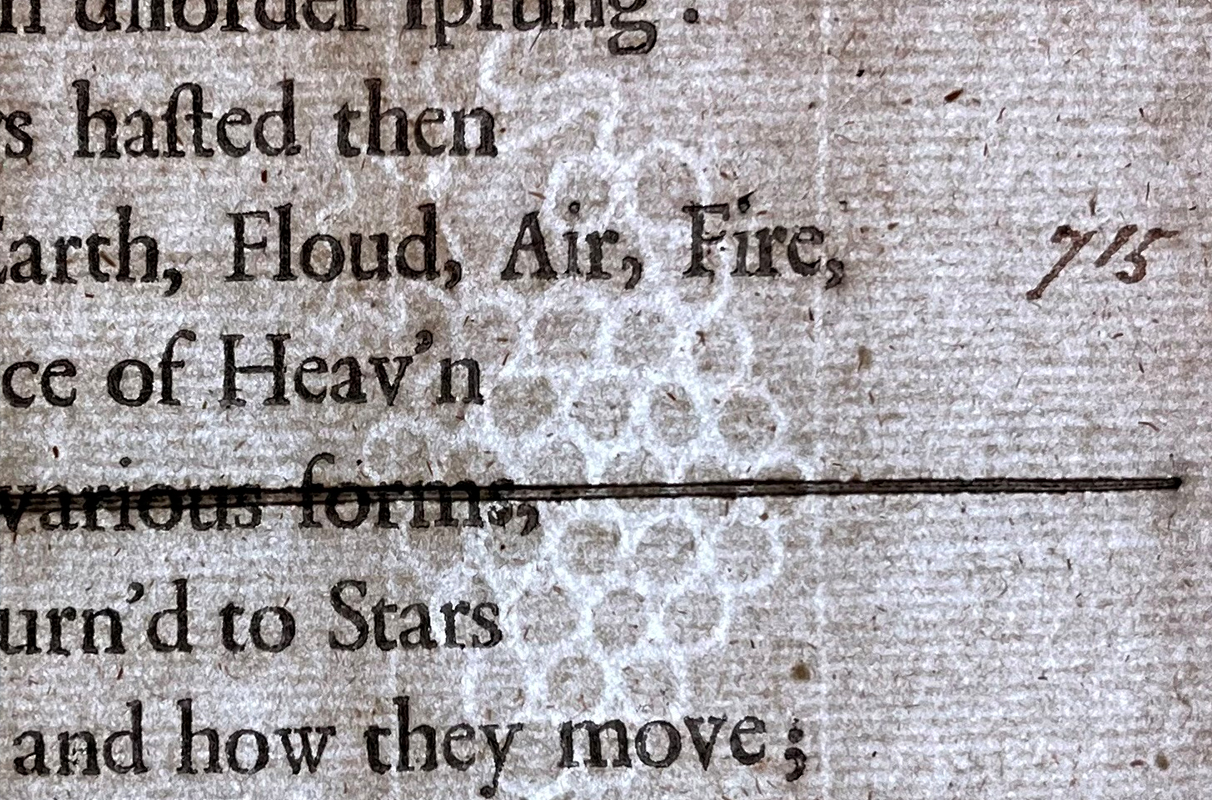
The significance of this technology stems from the historical context of papermaking itself. By the mid-13th century, Fabriano, Italy, had established itself as a center of paper production, pioneering techniques that would spread throughout Europe. The process, as described by WSU English professor Will Hamlin, involved meticulously sorting cotton and linen rags, preparing the fibers, and forming sheets using a two-part mold. Crucially, Fabriano papermakers introduced wire-formed watermarks – unique identifiers woven into the mold’s screen. These watermarks, now vividly revealed by the light sheet, act as “fingerprints” for dating and locating the paper’s origin. “The ability to accurately date books based on watermark analysis is transformative,” Hamlin explains. “Many books from this period were intentionally mislabeled, making traditional dating methods unreliable.”
Beyond Dating: Provenance, Trade, and the Economics of Early Printing
The light sheet’s utility extends far beyond simply establishing a book’s age. It allows researchers to trace a book’s journey – its provenance – and understand the economic forces that shaped its production. Hamlin’s work on the first English translation of Montaigne’s Essays exemplifies this. The light sheet revealed that the paper used by London printers was imported from northern France, a testament to the superior quality of French paper at the time. This seemingly minor detail speaks volumes about the economic realities of early printing. “The London printers clearly prioritized quality, even if it meant incurring higher costs,” Hamlin notes. “They believed a high-quality presentation would enhance the book’s appeal and durability, and their gamble paid off.” This level of detail is crucial for understanding the early publishing industry and the value placed on craftsmanship.
The MASC Collection: A Treasure Trove for Paper Analysis
WSU’s MASC boasts a remarkable collection of over 5,000 books printed before 1800, making it an ideal location for this type of research. Among the collection’s highlights are three 17th-century English translations of Montaigne and a 1470 edition of Jean Gerson’s De Sollicitudine Ecclesiasticorum, notable for its hand-applied color. Dean of WSU Libraries, Trevor Bond, highlights a particularly compelling example: a 1688 edition of Milton’s Paradise Lost, featuring stunning engravings and a bold signature from its 1799 owner, Michael Dunn. “The paper’s watermarks in this edition are fascinating, varying between the maker’s logo and a bunch of grapes,” Bond says. This kind of granular detail, previously inaccessible without potentially damaging the books, is now readily available thanks to the light sheet.
Intellectual Property and the Preservation of Cultural Heritage
The ability to accurately date and trace the provenance of early books has implications for intellectual property rights and the ongoing efforts to combat forgery and illicit trade in rare books. Whereas the focus at MASC is on research and preservation, the data generated by the light sheet could be invaluable in authenticating books and identifying stolen or illegally obtained items. The market for rare books is substantial – a first edition of Shakespeare’s First Folio can fetch millions – and the potential for fraud is significant. Specialized art and antiquities legal counsel are increasingly involved in verifying provenance and navigating the complex legal landscape surrounding rare book ownership.
The Role of Digital Humanities and Collaborative Research
The light sheet isn’t operating in isolation. MASC staff are actively collaborating with faculty, students, and visiting researchers to integrate the findings into catalog records, digital projects, and teaching materials. This collaborative approach is characteristic of the growing field of digital humanities, which leverages technology to enhance traditional scholarship. The data generated by the light sheet is being used to create more comprehensive and accurate metadata, making the collection more accessible to researchers worldwide. This also creates opportunities for digital archiving and preservation services to ensure the long-term accessibility of these valuable resources.
“The light sheet is an essential aid for research in literary history,” said Will Hamlin, WSU English professor. “It aids the study of provenance, it helps with deciphering handwritten annotations in old books, and it enables more accurate dating.”
The Future of Book History: A Brighter, More Illuminated Past
The acquisition of the light sheet at WSU’s MASC represents a significant investment in the future of book history. It’s a testament to the power of technology to unlock new insights into the past and to the importance of preserving our cultural heritage. As researchers continue to explore the collection, People can expect to uncover even more fascinating details about the lives of the books themselves – their origins, their journeys, and the people who created and cherished them. The meticulous work being done at MASC underscores the need for robust museum and archive security systems to protect these invaluable collections from theft and damage.
For institutions looking to enhance their own rare book and manuscript collections, or for researchers seeking access to cutting-edge analytical tools, the WSU MASC serves as a model for innovation and collaboration. The glow of the light sheet isn’t just illuminating the past; it’s illuminating the path forward for the field of book history.
*Disclaimer: The views and cultural analyses presented in this article are for informational and entertainment purposes only. Information regarding legal disputes or financial data is based on available public records.*