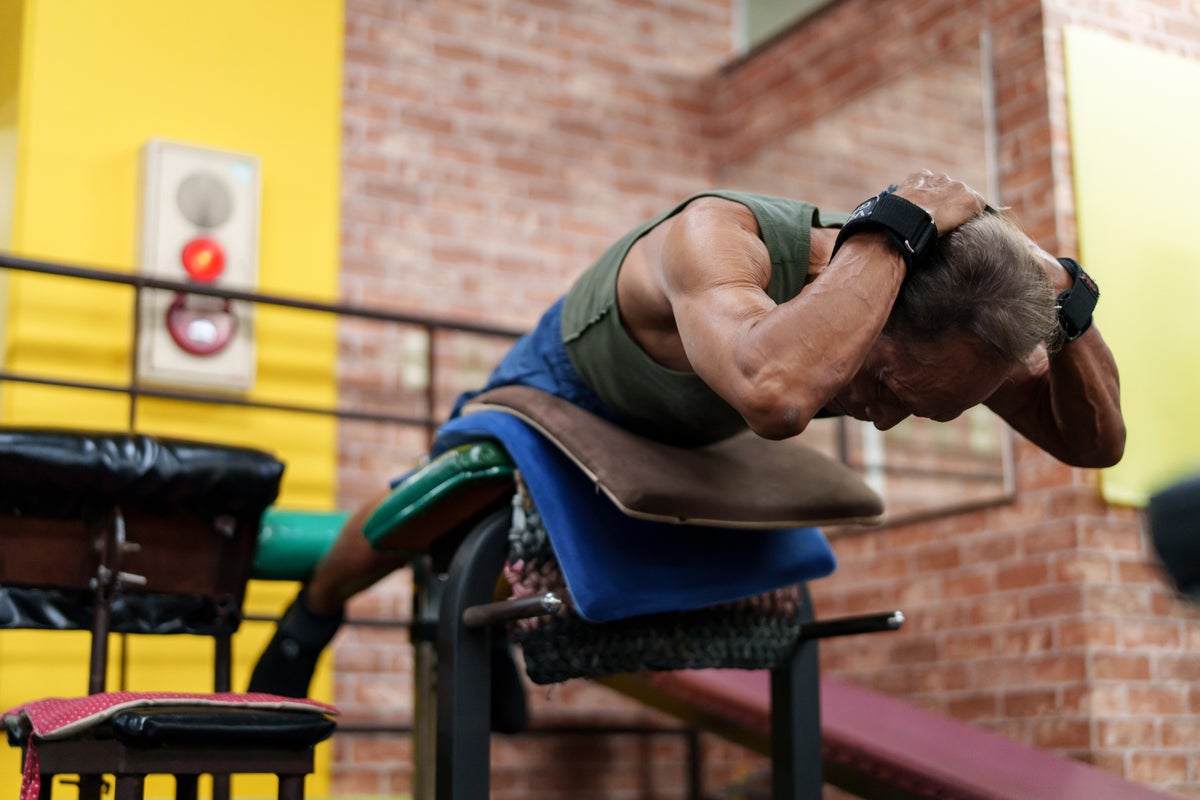
Lifelong Exercise Habit Linked to Healthier Aging and Higher Vitality Capacity
Lifelong aerobic exercise preserves the body’s physiological reserve and vitality capacity as people age, according to a study published in the journal GeroScience. Researchers evaluating older adults in Nice, France, found that participants who maintained a decades-long exercise routine demonstrated significantly higher blood-oxygen saturation and better stress response mechanisms than their sedentary peers, pointing to a distinct biological advantage in healthy aging.
- Researchers in Nice, France, evaluated roughly 40 participants averaging 64 years old to assess vitality capacity and physiological reserve.
- Participants with a 30-year history of aerobic exercise showed an average blood-oxygen saturation of 96.8 percent, compared to 94.8 percent in the inactive group.
- The exploratory study highlights that lifelong physical activity particularly benefits the immune and stress response domains during aging.
Assessing Vitality Capacity and Physiological Reserve
Previous scientific investigations into late-life physical activity primarily concentrated on mortality risk rather than functional resilience. To address this clinical gap, the GeroScience study introduced the concept of vitality capacity, which measures how effectively the body remains resilient, active, and disease-free as cellular senescence progresses. Investigators in Nice, France, assessed a cohort of approximately 40 participants with a mean age of 64 years to understand how exercise alters this physiological reserve.
The study separated participants into two distinct cohorts based on long-term lifestyle habits. Nearly half of the group had performed aerobic exercise at least three times a week for 30 years, maintaining a minimum of 2.5 hours of moderate physical activity weekly. Conversely, the remaining 20 participants reported no regular sporting habits and engaged in no more than 75 minutes of physical activity per week. Researchers gathered comprehensive clinical data, including heart rhythm measurements, muscle strength metrics, lung function tests, and blood markers, via questionnaires and wearable sensors.
Cardiorespiratory Differences and Biomarkers
Upon analyzing the aggregated data into a single vitality score, investigators observed nuanced physiological variations between the two groups. While standard parameters such as overall energy metabolism, nerve function, grip strength, knee strength, and lung capacity showed no stark differences, specific markers of cardiovascular and stress adaptation diverged clearly. The exercising cohort maintained an average blood-oxygen saturation level of 96.8 percent. The inactive group averaged 94.8 percent saturation.

When assessing these outcomes, scientists noted that lifelong aerobic physical activity directly associates with higher vitality capacity, specifically within the immune and stress response domains.
While the findings establish a clear correlation between decades of movement and enhanced cellular resilience, researchers emphasized notable limitations within the study design. The exploratory trial relied on a small participant cohort that was predominantly healthy, older, and white. Furthermore, the observational framework could not isolate the exact threshold or optimal type of exercise required to replicate these vitality scores across a broader demographic.
Investigators stressed the necessity for larger, multi-center clinical trials to validate the vitality score as a standardized metric in routine geriatric assessments.