LGBTQ+ Rights Under Attack: Pride Month Celebrations Mark Anniversary of Stonewall Uprising
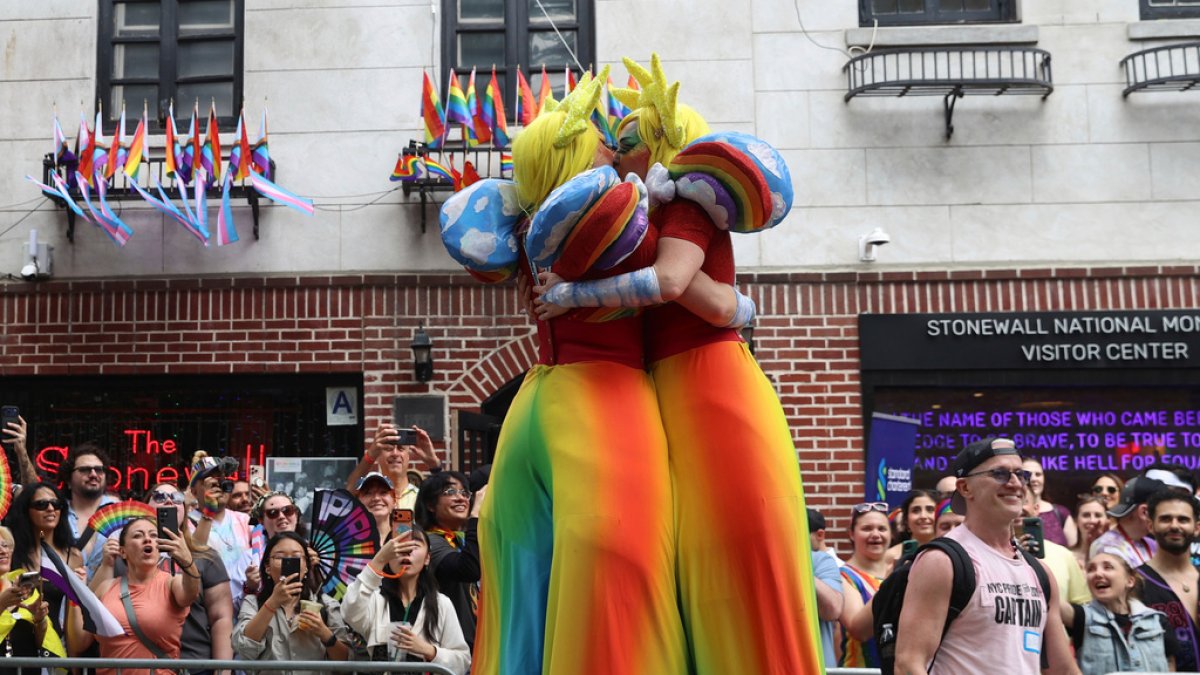
On June 28, 2026, LGBTQ+ advocates and community members converged on New York City for the annual Pride March, marking the anniversary of the Stonewall uprising. The demonstrations served as a high-visibility response to escalating federal and state-level efforts to restrict transgender rights and dismantle diversity, equity, and inclusion (DEI) initiatives.
The Stonewall Legacy in a Changing Political Climate
As of June 28, 2026, the intersection of celebration and protest remains the defining characteristic of Pride Month. While the NYC Pride March and San Francisco Pride Parade continue to draw crowds, the 2026 events occur under a distinct political shadow. The current administration has actively pursued policies aimed at rolling back protections for transgender individuals, including the removal of a rainbow Pride flag from the Stonewall National Monument—a move that prompted successful legal challenges earlier this year.

The historical significance of the Stonewall Inn, where patrons resisted a police raid on June 28, 1969, remains the spiritual anchor for these events. However, the 2026 participants are operating in an environment where some state governments have introduced alternative commemorative designations for June, such as “Nuclear Family Month,” explicitly framed as a counter to Pride. This shift highlights a widening cultural divide that affects local community organization.
Institutional Conflict and the Question of Participation
The 2026 Pride season has been marked by internal friction regarding the inclusion of corporate and institutional contingents. Transgender rights activists have specifically targeted New York City hospitals that have recently ceased providing transgender youth treatments. Christen Clifford, a mother of two trans children, stated that these institutions should be barred from future parades until such care is restored. Some of these hospitals have faced federal Justice Department subpoenas regarding transgender patients’ medical records, further complicating their standing within the community.
Heritage of Pride, the organizing body for the NYC event, has maintained that parade contingents are organized by LGBTQ+ employee groups rather than the top administrators responsible for decisions about care. This tension underscores the growing difficulty in balancing corporate participation with activist demands.
The Economic and Social Impact on Municipal Infrastructure
The logistical burden of hosting such events in cities like New York and San Francisco has intensified. Beyond the physical security requirements, organizers are grappling with the need to protect their participants and to ensure that queer-friendly spaces remain accessible.

Legislative Precedent and Future Outlook
The current efforts to restrict gender-affirming care are being challenged in courts across the United States. A judge has temporarily blocked the document demand regarding patient medical records. The ongoing legal struggle ensures that these issues will remain at the forefront of the public discourse.
The rhetoric surrounding the 2026 parades suggests that the LGBTQ+ movement is framing its presence as an act of resistance against “erasure.” As the legal and social landscape continues to evolve, the friction between institutional policy and community identity is far from resolved.