
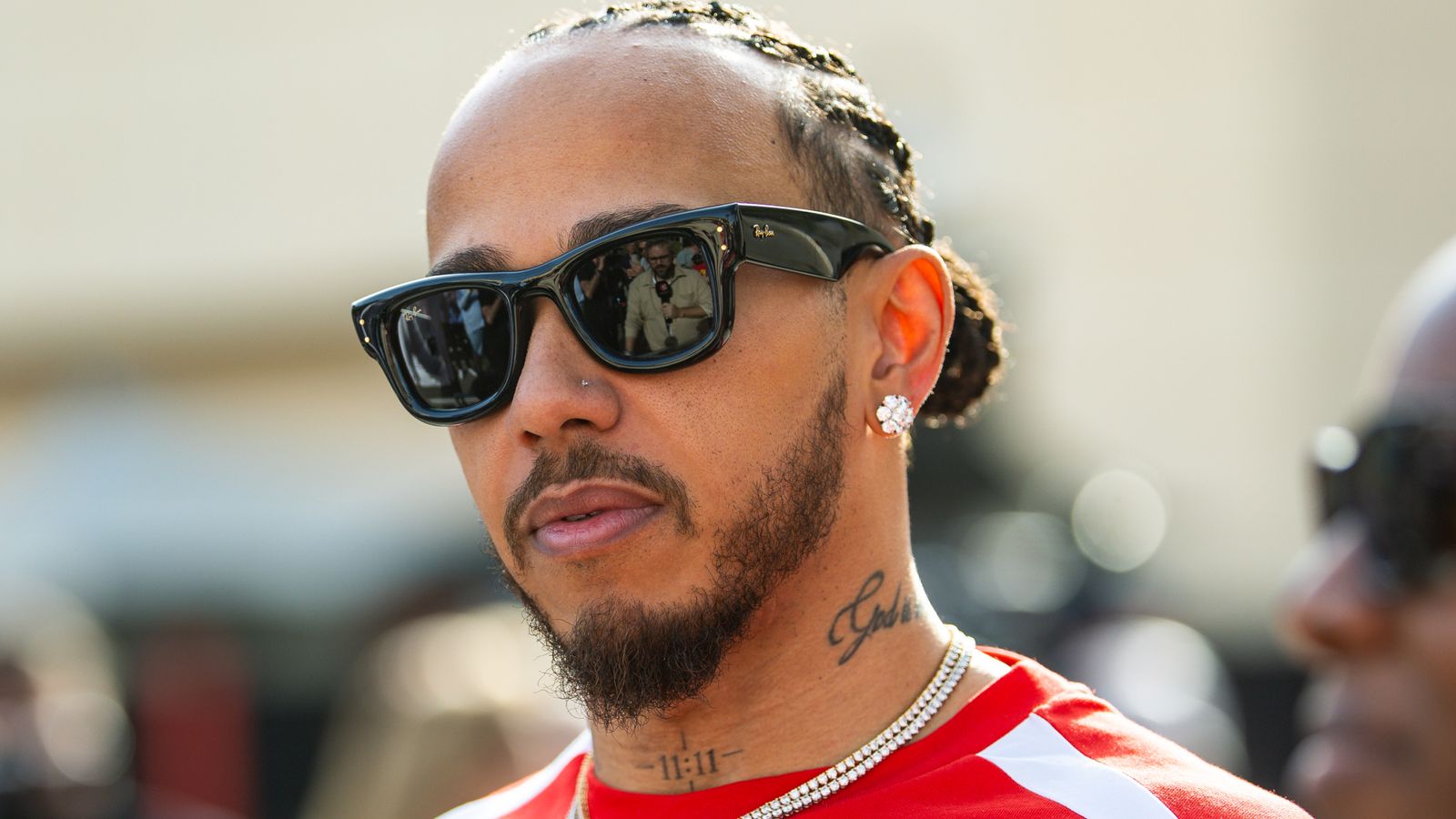
Lewis Hamilton Reveals Tokyo Drift Style Vintage Ferrari
Seven-time Formula 1 champion Lewis Hamilton leveraged his second season with Ferrari to execute a high-profile branding event in Tokyo. Featuring a rare Ferrari F40 and guest Kim Kardashian, the ‘Tokyo Drift’ style showcase occurred ahead of the Japanese Grand Prix to amplify global visibility and brand synergy.
The strategic pivot from the 2022 Nissan Skyline R34 GTR to the Ferrari F40 is not merely a change in preference; it is a calculated alignment with the Scuderia Ferrari corporate identity. By integrating a cornerstone of Italian automotive excellence into the heart of Japanese car culture at the Daikoku Parking Area, Hamilton is bridging the gap between his personal brand and the Ferrari legacy. This move addresses a critical branding problem: how to maintain an individual’s “outlaw” persona—established through the Tokyo Drift tradition—while operating within the rigid, prestigious framework of the most storied team in F1 history.
The Daikoku Economic Engine and Brand Synergy
The choice of Yokohama’s Daikoku PA as the backdrop provides an immediate infusion of authenticity. This location is the epicenter of the Japanese Domestic Market (JDM) scene and Hamilton’s presence there, sporting a signature bucket hat and casual streetwear, creates a visceral connection with a demographic that often views F1 as too sanitized. The appearance of the Ferrari F40, specifically one sporting a Japanese license plate marked ‘F40′ and the number ’77’, serves as a masterclass in localized marketing. It transforms a global sporting icon into a participant in a regional subculture.

This level of visibility creates a massive logistical vacuum in the host city. The influx of fans and media chasing a “hard launch” appearance requires precision coordination. While the F1 team handles the race logistics at Suzuka, the off-track promotional blitz relies on specialized automotive logistics providers to ensure that rare assets like the F40 are transported and secured without compromising their valuation or safety.
The Kardashian Catalyst and Mainstream Reach
The inclusion of Kim Kardashian in the ‘Tokyo Drift’ video elevates the event from a motorsport showcase to a global pop-culture moment. This is a strategic expansion of the target audience, moving beyond the “petrolhead” demographic into the realm of high-fashion and celebrity influence. The “hard launch” nature of their appearance suggests a coordinated effort to preserve Hamilton at the center of the cultural conversation, ensuring that his transition to Ferrari is viewed as a lifestyle evolution rather than just a professional contract change.
Managing these high-stakes celebrity partnerships involves complex legal frameworks. When global icons collaborate across borders, the risk of brand dilution or contractual conflict is high. These arrangements typically necessitate the oversight of international entertainment and contract lawyers to manage image rights and promotional obligations in multiple jurisdictions.
Comparative Analysis: The Evolution of the Tokyo Drift Tradition
The shift in Hamilton’s approach to the Japanese market can be quantified by comparing the 2022 event with the 2026 execution. The transition from a Japanese-made performance car to a vintage Italian supercar reflects his current professional trajectory.
| Feature | 2022 Tokyo Drift Event | 2026 Tokyo Drift Event |
|---|---|---|
| Vehicle | Nissan Skyline R34 GTR | Ferrari F40 |
| Primary Location | Generic Car Park | Daikoku Parking Area (Yokohama) |
| Strategic Guest | None specified | Kim Kardashian |
| Brand Alignment | JDM Subculture | Ferrari Heritage & Global Luxury |
| Context | Personal Passion Project | Scuderia Ferrari Season 2 Integration |
Suzuka Timeline and Performance Pressure
The timing of this showcase was precision-engineered to build momentum leading into the Japanese Grand Prix. Per the official race calendar, practice sessions commenced on March 26, culminating in the race on March 29. The Tokyo appearance served as a psychological and promotional prelude to the event at Suzuka, where Hamilton sought his first victory at the circuit since 2019.
This duality—maintaining off-track charisma while preparing for the technical demands of Suzuka—highlights the immense mental load management required of elite drivers. The transition from the relaxed atmosphere of Daikoku PA to the high-G environment of the race track requires a total shift in focus. For the fans and high-net-worth individuals traveling to Japan for the race, the demand for premium event concierge services spikes during this window, as the “Hamilton effect” drives a surge in luxury hospitality requirements around the Suzuka circuit.
The Trajectory of the Ferrari Era
Hamilton is now navigating his second season with Ferrari, a period where the initial novelty of the move must be replaced by tangible results. The use of the F40—a symbol of automotive excellence and nostalgia—is a reminder of what the driver and the team are striving to reclaim: absolute dominance. By blending iconic vehicles with modern celebrity influence, Hamilton is not just racing cars; he is managing a global enterprise.
As we move past the March race window and into the next phase of the 2026 season, the focus will shift from the viral allure of Tokyo to the telemetry and tactical breakdowns of the paddock. The ability to balance the “billionaire boardroom” requirements of Ferrari with the raw, gritty appeal of the JDM scene is what separates a champion from a mere driver.
For those looking to emulate the professional standards of elite sports management or secure the same level of specialized support for their own ventures, the World Today News Directory provides a vetted gateway to the world’s leading professionals in sports law, luxury logistics, and high-performance health.
Disclaimer: The insights provided in this article are for informational and entertainment purposes only and do not constitute medical advice or sports betting recommendations.