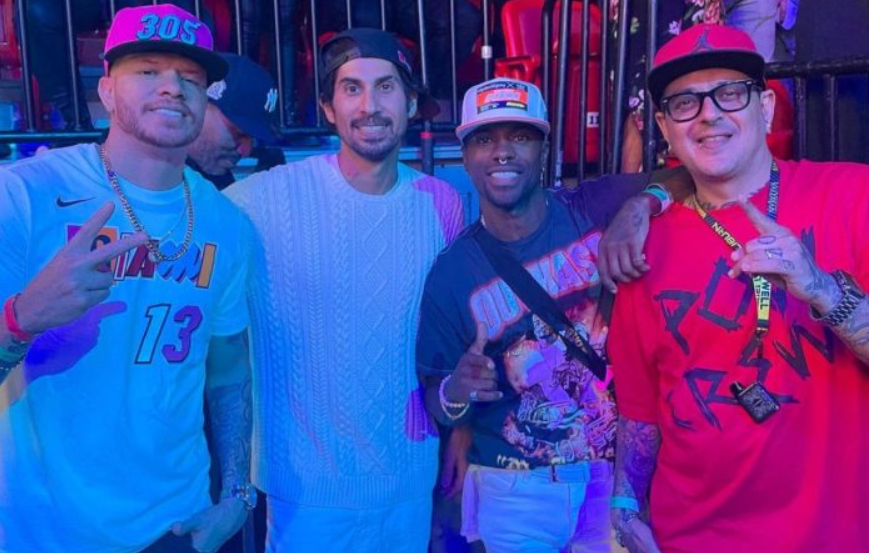
Lennin Pérez of Cuarto Poder Dies After Battle With Colon Cancer
Lennin Pérez, the pioneering Venezuelan rapper known as Lennins MC and a founding member of the iconic group Cuarto Poder, died on April 4, 2026, in Miami at age 47. Pérez succumbed to colon cancer after a public battle and a recent musical resurgence with his group, leaving a void in the urban cultural archive.
The death of a legacy artist is always a blow to the creative community, but the timing of Pérez’s passing creates a complex set of professional and logistical hurdles. We aren’t just talking about the loss of a voice; we are talking about the sudden interruption of a brand revival. Cuarto Poder, a group that defined the sonic landscape of Caracas in the late 90s, was in the middle of a strategic re-entry into the market. When a cornerstone member vanishes mid-launch, the intellectual property and the trajectory of the remaining artists are thrown into immediate volatility.
The Architecture of a Urban Legacy
To understand the weight of this loss, one has to look at the brand equity Cuarto Poder built starting in the late 1990s. Alongside Cotur, Apache, Psycho Woof, and Rojo, Pérez helped construct a blueprint for Venezuelan hip hop that fused local identity with global urban rhythms. Their 2003 debut, Real Academy of Flow (Real Academia del Flow), wasn’t just an album; it was a cultural manifesto. Tracks like “Little Sand, Little Beach” (Arenita Playita) evolved from mere songs into generational anthems, cementing the group’s status as the architects of the genre in their home country.
Pérez didn’t just fit the mold of a rapper; he diversified his personal brand into a multidisciplinary portfolio. He operated as a journalist, a writer, and a creator, effectively becoming a chronicler of his era. His life was marked by intense narratives—including surviving a kidnapping—which added a layer of authenticity and grit to his lyrical output. This intersection of journalism and art allowed him to navigate the industry not just as a performer, but as an intellectual force within the urban scene.
“Today I face one of the hardest battles of my life: a complex process against cancer. Even so, I remain standing, with faith, dignity and purpose, using music and my story to inspire, unite and give meaning even in the most difficult moments.”
The High Cost of Transparency
In his final years, residing in Miami, Pérez turned his health struggle into a public dialogue. By documenting his battle with colon cancer on social media and launching GoFundMe campaigns to fund his treatments, he shifted his public persona from an urban icon to a symbol of resilience. This level of transparency is a double-edged sword in the entertainment industry. Even as it builds an unbreakable emotional bond with the audience, it likewise puts the artist’s private vulnerability on a global stage.
Managing such a public descent requires more than just a social media manager; it requires the precision of crisis communication firms and reputation managers who can balance the necessitate for financial support with the preservation of the artist’s dignity. Pérez handled this with a level of grace that inspired thousands, turning his medical charts into a narrative of hope, but the logistical strain of funding life-saving treatment through crowdsourcing highlights the precarious nature of the independent artist’s safety net.
The Interrupted Comeback and the IP Vacuum
The most jarring aspect of this tragedy is the calendar. On March 22, 2026, Cuarto Poder signaled their official return with the release of “We Hit the Streets” (Nos Fuimos Pa La Calle). The group was not merely nostalgic; they were actively producing inédito material, preparing to reclaim their space in a transformed musical landscape. The momentum was real, and the enthusiasm was documented across Pérez’s digital platforms.
Now, the group faces a professional crossroads. The transition from a five-man powerhouse to a quartet, while dealing with the posthumous release of pending tracks, is a legal and creative minefield. The distribution of royalties for new material, the management of the group’s image, and the decision of whether to proceed with planned releases now fall under the jurisdiction of specialized IP lawyers. The question is no longer just about the music, but about who owns the rights to the “renaissance” that Pérez helped ignite.
the sudden loss of a key member during a comeback tour or album cycle creates a vacuum in event planning. The group’s trajectory now requires the intervention of elite talent agencies and event management professionals to pivot their strategy. Whether they opt for a tribute series or a restructured group identity, the operational shift will be massive.
A Final Note on Cultural Resilience
Lennin Pérez’s departure marks the conclude of a specific era of Venezuelan urban music, but his influence persists in the way he fused the roles of journalist, and artist. He proved that a rapper could be a storyteller of the highest order, blending social introspection with the raw energy of the street. His bravery in the face of colon cancer mirrored the resistance he championed in his music.
As the industry processes this loss, the focus will inevitably shift to the preservation of his archives and the completion of the work he left behind. In an era of fleeting digital trends, Pérez’s legacy is a reminder that true brand equity is built on authenticity, resilience, and a relentless commitment to one’s craft. For those navigating the complex intersections of entertainment law, talent management, or high-stakes PR in the wake of such losses, the World Today News Directory remains the premier resource for connecting with vetted professionals who can manage the legacy of an icon.