
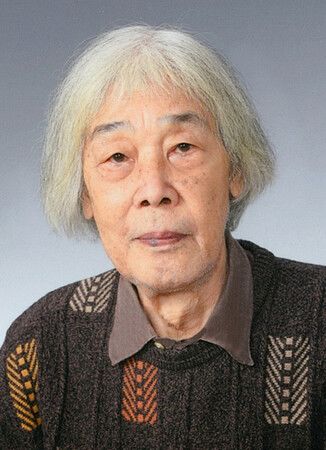
Legendary Japanese Manga Artist Yoshiharu Tsuge Dies at 88
Yoshiharu Tsuge, the pioneering Japanese manga artist celebrated for his surreal and deeply personal works like “Nejishiki,” has died at the age of 88. The artist passed away on March 3rd in Tokyo from aspiration pneumonia, marking the end of an era for alternative comics and a significant loss for the global art world. His influence extends beyond manga, impacting visual storytelling and challenging conventional narrative structures. The news arrives as the manga and anime industry continues its unprecedented global expansion, with increasing attention paid to the foundational artists who paved the way.
The Legacy of Alienation: Tsuge’s Impact on Modern Storytelling
Tsuge’s work, often described as *gekiga* – a term denoting a more dramatic and realistic style of manga – consistently explored themes of isolation, societal alienation and the often-absurd nature of human existence. “Nejishiki” (1968), arguably his most famous creation, remains a touchstone for artists seeking to break free from mainstream conventions. The story, depicting a young man’s unsettling journey through a labyrinthine town, is less about plot and more about evoking a pervasive sense of unease and disorientation. This focus on atmosphere and psychological depth set him apart, influencing generations of manga artists and, increasingly, Western graphic novelists.
His early life, marked by working-class struggles in post-war Tokyo, heavily informed his artistic vision. Leaving school to work in a metal plating factory, Tsuge experienced firsthand the dehumanizing aspects of industrial labor, a theme that frequently surfaces in his work. He debuted in 1955 with “Hakumenyasha,” but it was his contributions to the influential *Garo* magazine that solidified his reputation as a leading figure in the *gekiga* movement.
The European Rediscovery and the Question of Intellectual Property
Interestingly, Tsuge’s international recognition blossomed relatively late in his career. While largely inactive since the 1980s, his works experienced a surge in popularity in Europe and the United States in the 21st century, fueled by a growing appreciation for alternative comics and a renewed interest in Japanese art. This rediscovery, however, raises complex questions surrounding *intellectual property* rights and the challenges of managing the legacy of an artist who largely withdrew from public life.
“The late bloom of Tsuge’s international fame is a fascinating case study in how cultural value can be reassessed decades after creation. It also highlights the critical require for artists to proactively establish clear rights management strategies, especially as their work gains traction in global markets.”
– Eleanor Vance, Entertainment Attorney, Vance & Sterling LLP
The increased demand for translations and reprints of his work necessitates careful navigation of *copyright infringement* issues and ensuring that Tsuge’s artistic vision is respected. The complexities of international *syndication* agreements and the potential for unauthorized reproductions require diligent oversight. Companies specializing in international IP law and rights management are becoming increasingly vital in these situations.
The Economic Impact of a Cult Following
While Tsuge wasn’t a commercially driven artist in the traditional sense, the growing demand for his work has created a niche market with significant economic potential. Limited edition reprints, art book collections, and potential adaptations of his manga into animated films or live-action series represent viable revenue streams. However, capitalizing on this potential requires a strategic approach to *brand equity* management and a deep understanding of the target audience.
The recent success of other Japanese manga adaptations, such as “One Piece” and “Demon Slayer,” demonstrates the lucrative possibilities of bringing these stories to a wider audience. According to data from Statista, the global manga market is projected to reach $2.5 billion by 2027, fueled by the increasing popularity of *SVOD* platforms and the growing accessibility of translated content. (Statista: Manga Market Size Worldwide). This growth underscores the importance of protecting and promoting the works of foundational artists like Tsuge.
Navigating the Festival Circuit and Memorialization
Tsuge’s passing is likely to spark renewed interest in his work, potentially leading to retrospective exhibitions at major art festivals and museums. Organizing such events requires meticulous planning and coordination, including securing necessary permissions, arranging transportation for delicate artwork, and managing logistical challenges. The upcoming Angoulême International Comics Festival in France, a major showcase for international comics, could be a fitting venue for a tribute to Tsuge’s legacy.
the logistical complexities of handling a posthumous estate and managing the artist’s archive necessitate the expertise of estate planning and trust administration services. Ensuring that Tsuge’s wishes are honored and that his artistic legacy is preserved for future generations is paramount.
The timing of Tsuge’s death, coinciding with the peak of the spring anime convention season, also presents unique opportunities for memorial events and tributes. Event management companies specializing in cultural events event management and planning can play a crucial role in organizing these gatherings and ensuring they are respectful and meaningful.
The Future of *Gekiga* and the Search for New Voices
Tsuge’s death marks the passing of a generation of artists who challenged the conventions of manga and paved the way for a more diverse and experimental art form. His influence can be seen in the works of contemporary artists who continue to explore themes of alienation, psychological complexity, and the search for meaning in a fragmented world. The challenge now is to identify and nurture new voices who can carry on his legacy and push the boundaries of visual storytelling.
The industry is actively seeking talent scouts and agencies specializing in identifying emerging artists. Talent agencies specializing in international comics are crucial in connecting these artists with publishers and potential collaborators. The demand for authentic and thought-provoking stories remains high, and Tsuge’s work serves as a powerful reminder of the enduring power of art to challenge, inspire, and provoke.
*Disclaimer: The views and cultural analyses presented in this article are for informational and entertainment purposes only. Information regarding legal disputes or financial data is based on available public records.*