
Legal Setback for Trump: Federal Court Upholds Fed Board Member Amid Political Pressure
A federal court ruling on June 29, 2026, has blocked an attempt to remove a sitting Federal Reserve board member, preserving the independence of the U.S. central bank against executive intervention. This judicial decision reinforces the statutory tenure protections for Fed officials, effectively stalling political efforts to reshape monetary policy governance.
Judicial Check on Executive Overreach
The court’s decision, confirmed by reports on June 29, 2026, centers on the legal interpretation of the Federal Reserve Act. By upholding the board member’s right to finish their term, the judiciary has signaled a firm commitment to the structural firewall between the White House and the Federal Open Market Committee (FOMC). For institutional investors, this ruling provides a critical, if temporary, layer of stability regarding the trajectory of interest rates and monetary policy.
Market participants often view the independence of the Federal Reserve as a hedge against inflationary fiscal policy. When the executive branch attempts to exert influence over the central bank, volatility typically spikes in the bond markets as traders adjust their expectations for the yield curve. The court’s intervention mitigates the risk of a sudden, politically motivated shift in the federal funds rate.
The Institutional Risk of Governance Volatility
Corporate boards and institutional treasurers rely on the predictability of the central bank to manage cost-of-capital projections. Disruptions in leadership at the Fed can signal a broader breakdown in institutional norms, prompting firms to seek Corporate Governance Advisory Services to stress-test their long-term financial planning. When the regulatory environment becomes unpredictable, the cost of hedging against interest rate risk inevitably rises.
The ruling underscores a fundamental tension between electoral mandates and the technocratic management of the money supply. According to the Federal Reserve Act, governors are appointed for 14-year terms precisely to insulate them from short-term political pressures. Attempts to circumvent these protections often trigger legal battles that place the burden of compliance and risk assessment on private sector entities.
Navigating Regulatory Uncertainty
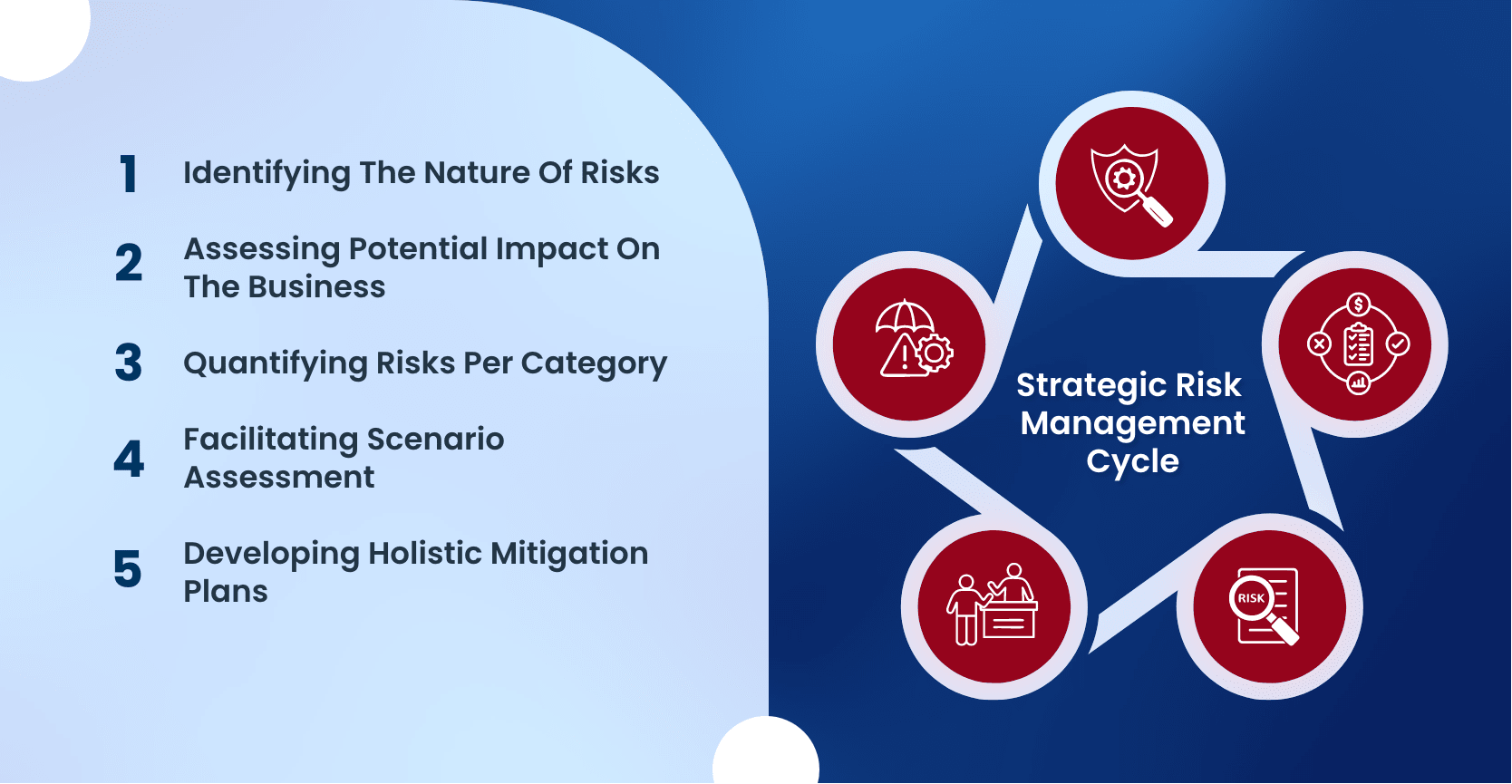
For large-cap firms and financial institutions, the primary concern is not just the identity of the board member, but the continuity of the regulatory framework. If a central bank’s leadership is in flux, the clarity of forward guidance diminishes. This creates a vacuum where firms must rely on Strategic Risk Management Consultants to interpret shifting signals from the FOMC, particularly regarding quantitative tightening or easing cycles.
Institutional investors are currently pricing in the potential for continued legal friction. “The market demands continuity, not just in policy, but in the institutional integrity of the body setting those policies,” notes a senior strategist at a major investment firm. A breach in that integrity usually leads to wider spreads in corporate bond yields, as lenders demand a higher risk premium for the uncertainty of the macroeconomic environment.
Long-term Market Trajectory
While the immediate threat to the Fed’s composition has been neutralized, the broader political landscape remains fractious. The intersection of fiscal policy and monetary oversight will likely remain a point of contention through the next fiscal quarters. Investors should prepare for continued headlines regarding executive branch appointments and judicial reviews of administrative power.
Companies operating in capital-intensive sectors—such as infrastructure, manufacturing, and real estate—should proactively engage with Legal and Regulatory Compliance Specialists to ensure their balance sheets are insulated from potential shifts in the cost of debt. The ability to pivot based on accurate, real-time analysis of central bank governance will be a key differentiator in the coming fiscal year. As the market digests this ruling, the focus remains on the upcoming FOMC statements, which will provide the ultimate test of the Fed’s continued operational autonomy.