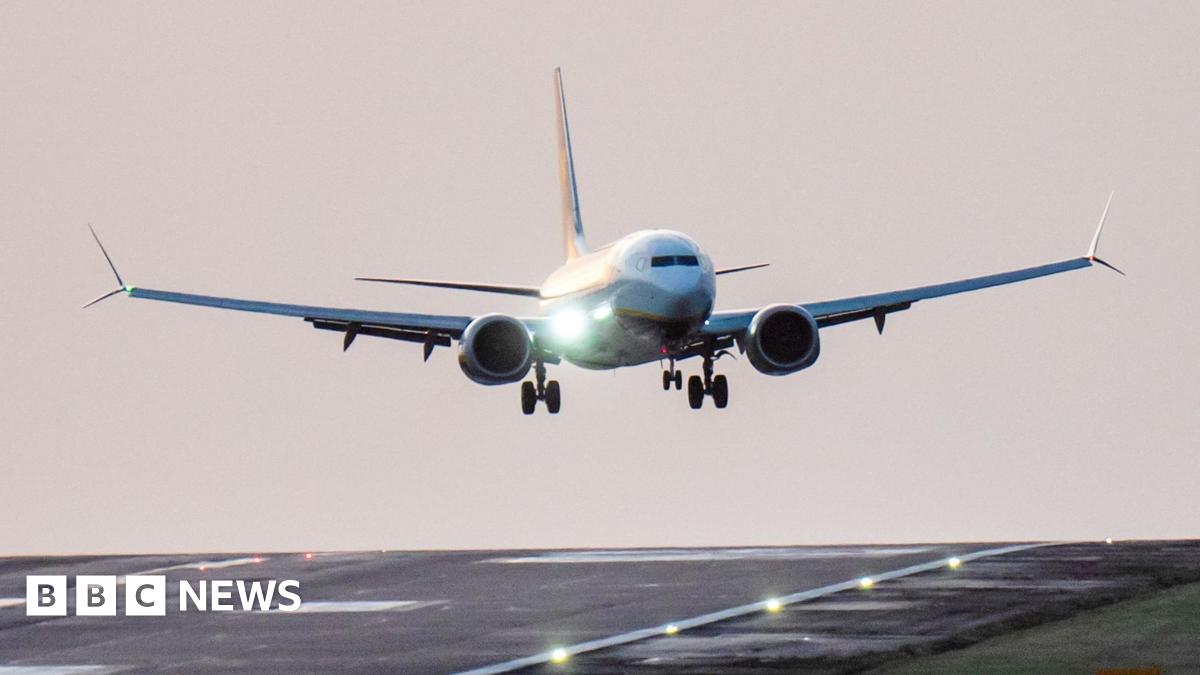
Leeds Bradford Airport Proposes Night Flight Changes and Resident Noise Grants
Leeds Bradford Airport submitted formal planning applications to Leeds City Council on August 24, 2026. The aviation hub, serving Yorkshire, proposes a transition from movement-based caps to a noise-linked Quota Count System.
Leeds Bradford Seeks Shift to Noise Quota Limits
Alongside this framework, the airport introduced a novel property insulation and bedroom air conditioning compensation package for surrounding communities. The move seeks to modernize legacy operational restrictions dating back to the early 1990s.
Acoustic Profiles Replace Raw Flight Counts
The core fiscal and operational tension centers on airport modernization versus community impact.
LBA management argues that replacing the current fixed numerical limit of roughly 5,000 annual night movements with a Quota Count System encourages airlines to deploy quieter, more fuel-efficient next-generation aircraft. Under a QCS framework, operators accumulate noise points based on certified acoustic profiles rather than counting raw flights. This grants carriers greater scheduling flexibility while preserving an overarching seasonal noise budget.
Targeted Mitigation and Sealed Windows
To offset local disruption, the airport outlined a Night Noise Insulation Scheme.
Eligible households located within designated noise contours around the airfield can apply for direct financial assistance covering upgraded high-specification double glazing and specialized property ventilation improvements. Uniquely, the mitigation package introduces financial support for bedroom air conditioning installation. Airport representatives noted that funding bedroom cooling allows residents to keep windows fully sealed against aviation noise during summer months without sacrificing thermal comfort.
Redefining the Night-Time Window
Operational hours are slated for redefinition. The airport plans to condense its official night-time window to run strictly between 23:30 and 05:59.
This adjustment aligns Yeadon flight schedules with standard European patterns and established practices at competing regional facilities across the United Kingdom. LBA remains one of the final regional transport hubs operating under a legacy movement-cap model, creating a clear operational bottleneck for carriers managing tight continental turnarounds.
Campaigners Vow to Fight Late-Night Plans
Local environmental groups and community campaigners, including factions within the Ilkley Gazette reporting network, vowed to fight the latest night flight plans.

Campaigners maintain that abandoning the fixed numerical cap will increase the total volume of late-night flights over residential areas. Opponents argue the shift serves as a regulatory loophole enabling higher flight density during sleep-sensitive hours.
Balancing Regional Growth and Residential Amenity
Corporate expansion proposals of this scale require rigorous multi-jurisdictional compliance and stakeholder management.
As the consultation period progresses, local authorities face the challenge of balancing regional economic growth against residential amenity protection.