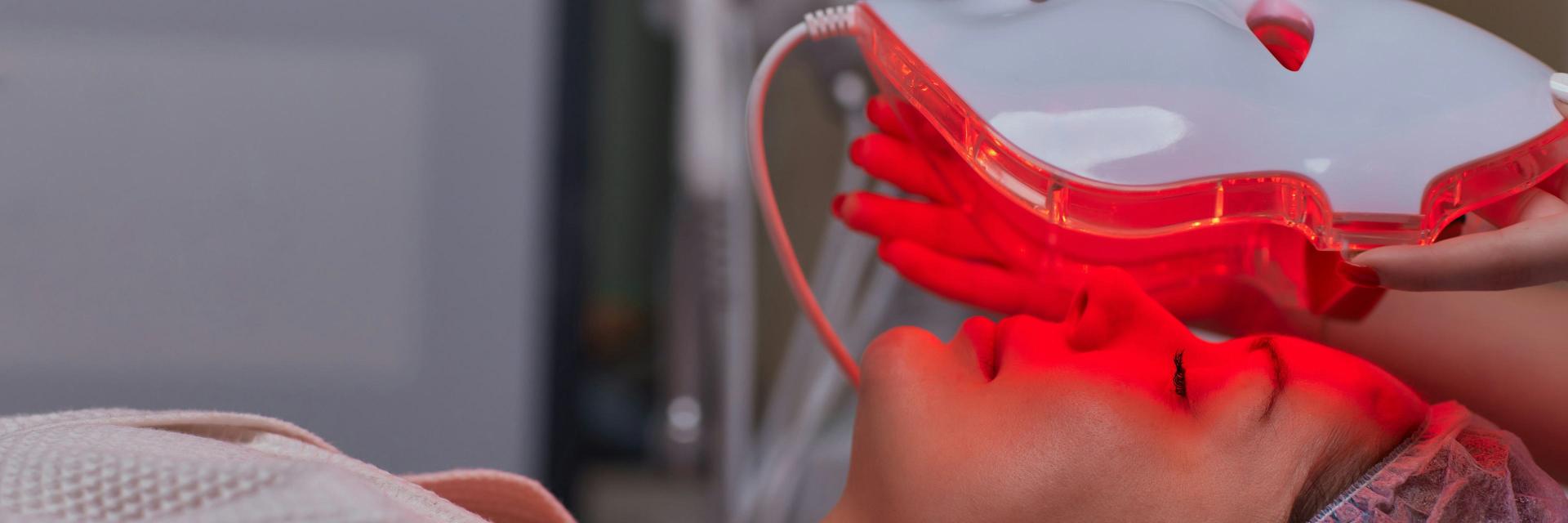
LED Face Masks and AI Beauty: Science, Trends, and Effectiveness
Red light therapy masks have become a staple of beauty trends on TikTok, where users promote their ability to rejuvenate the skin and reduce the appearance of aging.
These devices utilize light-emitting diodes to deliver specific frequencies of light to the skin. Red light is used to stimulate collagen production and target wrinkles, while blue light is employed to combat acne-causing bacteria. Orange light is typically used to address issues related to skin pigmentation. The effectiveness of these treatments depends on the energy of the photons, which is determined by the semiconductor materials used in the LEDs.
The shift toward home-based beauty technology is further driven by the integration of artificial intelligence. AI-powered mirrors now use high-resolution cameras and algorithms to perform skin analyses in seconds. These systems record the presence of pores, pigment spots and fine lines to generate customized skincare routines, suggesting specific products such as retinol creams or vitamin C serums based on the current condition of the user’s skin.
This transition brings professional-grade technology, previously found only in beauty salons, into residential bathrooms. In salon settings, AI is being used for skin diagnostics and precision services like eyelash extensions. However, a significant gap remains between professional medical devices and the masks available for general consumer purchase. Key differences include the strength of the LEDs, the total number of bulbs integrated into the device, and how closely the lights sit against the skin’s surface during operation.
While consumer interest has led to a notable rise in sales, dermatologists maintain a more cautious perspective on the anti-aging promises associated with these devices. The discrepancy between the viral marketing of these masks and the clinical evidence regarding their efficacy remains a point of contention among skin care professionals.