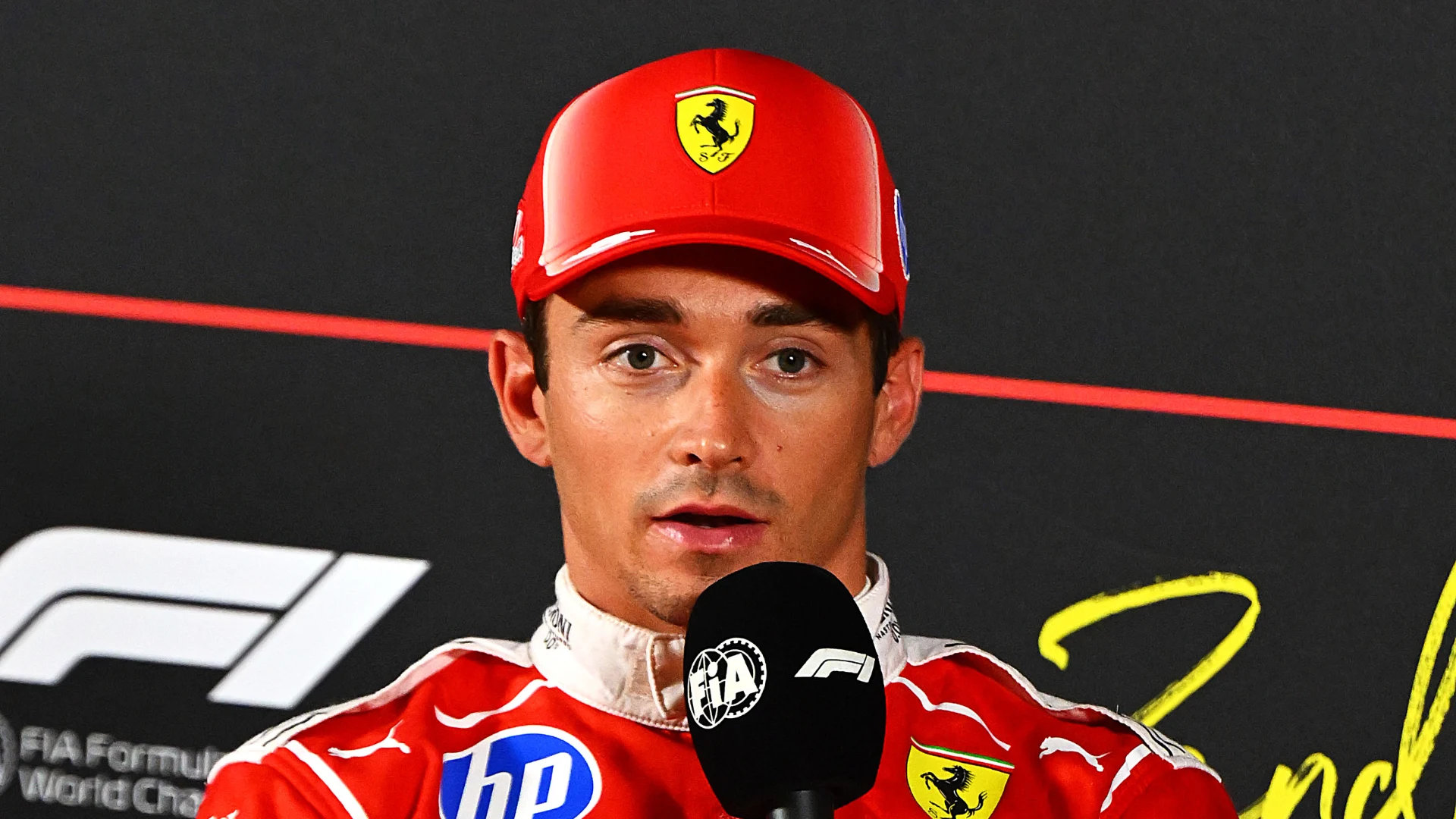
Leclerc Secures P2 as Ferrari Soft Tyre Gamble Pays Off at Dutch GP Sprint
Strategic Risk and Data Preparation at Zandvoort
Heading into the late-summer restart of the 2026 Formula 1 season, race engineers faced immediate strategic pressure regarding compound degradation metrics around the sweeping Zandvoort circuit. When the tyre blankets came off ahead of the sprint, nearly the entire grid lined up on standard medium tyres. Ferrari broke from the pack by bolting C4 softs onto Charles Leclerc’s SF-26, a high-risk maneuver matched only by Haas driver Ollie Bearman, who started from seventeenth place.
Speaking to Sky Sports F1, Leclerc addressed the tension of executing a split strategy against the rest of the field. “Always when you are the only one doing something, it’s either very right or very wrong,” Leclerc explained to Sky Sports F1. The Monegasque driver noted that the unconventional call was far from a blind guess, framing it instead as a calculated choice rooted in data gathered during Friday’s damp, truncated practice session. According to Leclerc, the team successfully completed their homework in FP1, validating the performance window of the softer rubber despite limited running time.
Comparative Strategy and Teammate Feedback
Ferrari managed the race through a bifurcated garage approach. While Leclerc ran the C4 softs to capture early temperature and hold track position against medium-shod pursuers, teammate Lewis Hamilton raced on the standard medium compound. Post-session paddock feedback highlighted a distinct operational divide between the two car setups. Motorsport.com reported that Hamilton described the handling characteristics of his machine as completely different from his teammate’s setup during the sprint running.
| Driver | Tyre Compound | Sprint Result |
|---|---|---|
| Charles Leclerc | C4 Soft | P2 |
| Lewis Hamilton | Medium | Points/Midfield Mix |
Leclerc expanded on the split approach, noting that while the team evaluated distinct tire pathways, his lack of comfort on the medium compound during practice validated the aggressive shift. The soft tyres provided the necessary initial launch traction to stay in touch with the lead battle fought by George Russell, who converted pole position into a sprint victory. Behind the leaders, Leclerc successfully fended off competing medium-shod cars to lock down the second step of the podium.
Baseline Pace and Long-Run Projections
Beyond the immediate strategic gamble, the aerodynamic and mechanical balance of the SF-26 showed encouraging signs across high-downforce corners. Leclerc noted that the car felt competitive from the opening practice session, providing a stable foundation as the paddock returns from the mandatory summer break. With robust long-run telemetry now secured, engineering crews must evaluate whether to prioritize single-lap qualifying pace or preserve tyre life for Sunday’s full-length Grand Prix.

Leclerc addressed the recurring balance compromises between Saturday and Sunday setups, indicating that engineering teams cannot always cleanly separate qualifying speed from race longevity. “I don’t think it’s that black and white,” Leclerc told Sky Sports F1 regarding the team’s ongoing quest to unlock single-lap performance.
Disclaimer: The insights provided in this article are for informational and entertainment purposes only and do not constitute medical advice or sports betting recommendations.