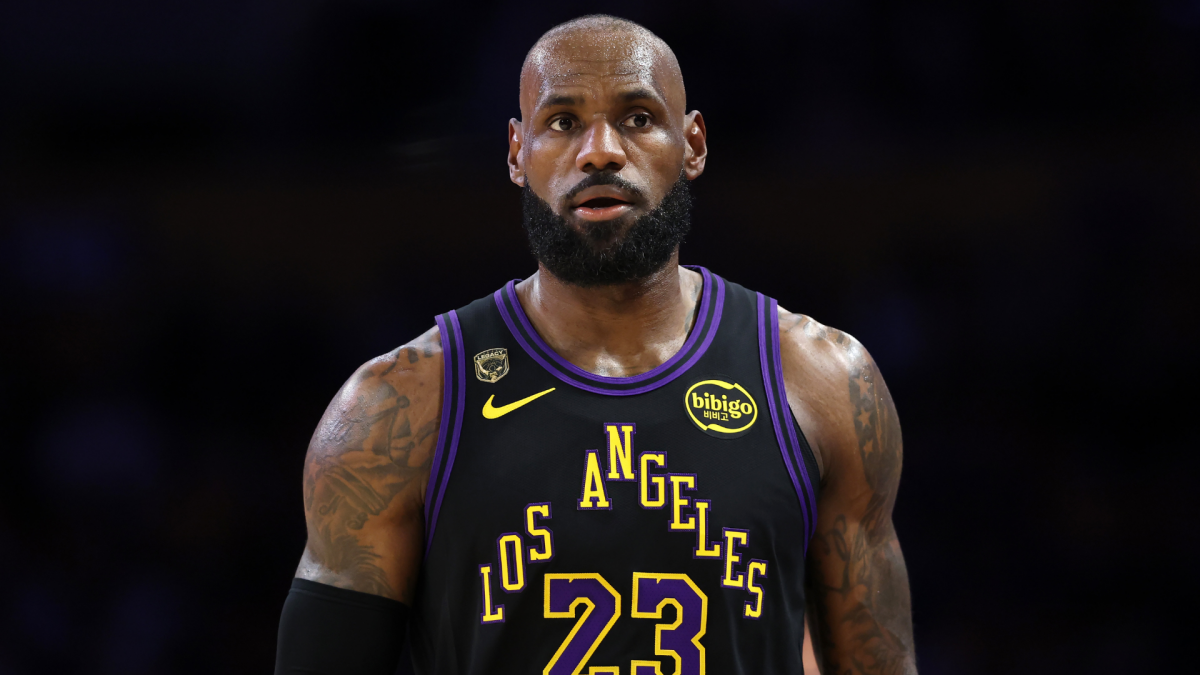
LeBron James Enters Free Agency After 23rd NBA Season
LeBron James, the 41-year-old Los Angeles Lakers forward, enters unrestricted free agency after completing a record 23rd NBA season. Following a first-round exit to the Oklahoma City Thunder, James remains undecided on retirement, citing a need to recalibrate with his family before determining his professional future.
The uncertainty surrounding James’ future creates a high-stakes vacuum for the Lakers’ front office. This isn’t merely a question of player longevity; This proves a complex financial puzzle involving the NBA’s stringent salary cap aprons and the luxury tax. With his previous two-year, $101.3 million contract now expired, the organization must weigh the immediate competitive value of a veteran superstar against the long-term flexibility required to rebuild a championship-caliber roster. The decision to re-sign or pivot will dictate the franchise’s tactical approach for the next three to five years.
The Financial Architecture of Free Agency
From a cap-management perspective, the expiration of a $101.3 million deal provides a rare window of liquidity. However, the allure of keeping the face of the league often leads teams into the “second apron” of the luxury tax, where drafting and trading capabilities are severely restricted. If the Lakers opt for a max-contract extension, they risk a dead-cap hit if James decides to retire mid-contract or suffers a career-ending injury, potentially handcuffing the team’s ability to acquire young talent through the draft.

Navigating these complexities requires more than just a scouting report; it demands high-level fiscal strategy. While the Lakers employ internal experts, many emerging sports entrepreneurs and independent athletes facing similar high-stakes negotiations rely on specialized contract lawyers to ensure their agreements include the necessary protections against injury and unexpected retirement.
| Contract Scenario | Estimated Cap Impact | Roster Flexibility | Tactical Outlook |
|---|---|---|---|
| Max Extension | Severe (Apron Risk) | Low | Win-Now / Veteran Heavy |
| Player-Option Discount | Moderate | Medium | Hybrid Transition |
| Retirement/Departure | Minimal (Cap Space) | High | Full Youth Rebuild |
The Local Economic Ripple Effect
The “LeBron Effect” extends far beyond the hardwood of the Crypto.com Arena. A decision to retire or move teams would send shockwaves through the Los Angeles hospitality and tourism sectors. The presence of a global icon drives premium ticket pricing, high-end luxury suite demand, and an influx of international sports tourism that benefits regional hotels and dining.
When a superstar of this magnitude departs, the immediate drop in “halo” revenue can be felt by local B2B partners. The franchise’s current operational model relies heavily on premium corporate hospitality vendors to manage the overflow of high-net-worth individuals who attend games specifically to see James. A transition to a rebuild phase typically sees a temporary dip in these high-margin revenue streams, forcing the city’s sports-adjacent businesses to diversify their client base.
“The valuation of a franchise in the modern era is tied as much to global brand equity as it is to wins and losses. Losing a player who generates a global ecosystem of viewership and merchandise is a balance-sheet event, not just a basketball event.”
Physical Periodization and the Longevity Puzzle
James’ ability to compete in a 23rd season is a marvel of modern sports science. To maintain a high Player Efficiency Rating (PER) at 41, the Lakers have employed rigorous load management and periodization strategies, meticulously timing his peak physical condition to coincide with the playoffs. Despite these efforts, the recent sweep by the Oklahoma City Thunder—following a hard-fought first-round victory over the Houston Rockets—suggests a narrowing window of dominance.
The physical toll of two decades in the league means that any future contract will be contingent on the results of exhaustive medical screenings. For the professional athlete, the goal is to delay the inevitable decline through cutting-edge recovery. However, this level of care is no longer exclusive to the NBA. Local amateur athletes and youth prospects seeking to maximize their own longevity are increasingly turning to elite sports performance and recovery centers to implement pro-level load management and injury prevention protocols.
The Strategic Crossroads
James has been candid about his current state, noting that “there’s nothing I need to show in this league.” This admission shifts the leverage. His motivation is now purely championship-driven, which means the Lakers cannot simply offer a paycheck; they must present a viable tactical roadmap to a title. If the front office cannot guarantee a supporting cast capable of overcoming defending champions like the Thunder, James may find the “recalibrate” period with his family leads toward a permanent exit.
The NBA landscape is shifting toward a faster, more perimeter-oriented game. The Lakers must decide if they are building around a legend’s remaining twilight or preparing for the post-James era. Whether he returns for a 24th season or hangs up the jersey, the move will redefine the team’s identity and the city’s sporting economy.
As the sports world awaits the final decision, the intersection of athlete health, contract law, and urban economics remains the primary driver of the story. For those navigating the complexities of the sports business—from managing a youth academy to scaling a sports clinic—finding vetted professionals is the only way to ensure long-term stability. Explore the World Today News Directory to connect with the legal, medical, and business experts who power the sports industry.
Disclaimer: The insights provided in this article are for informational and entertainment purposes only and do not constitute medical advice or sports betting recommendations.