
Lebanon Conflict: Hezbollah-Israel Fighting, Humanitarian Crisis & War Crime Concerns
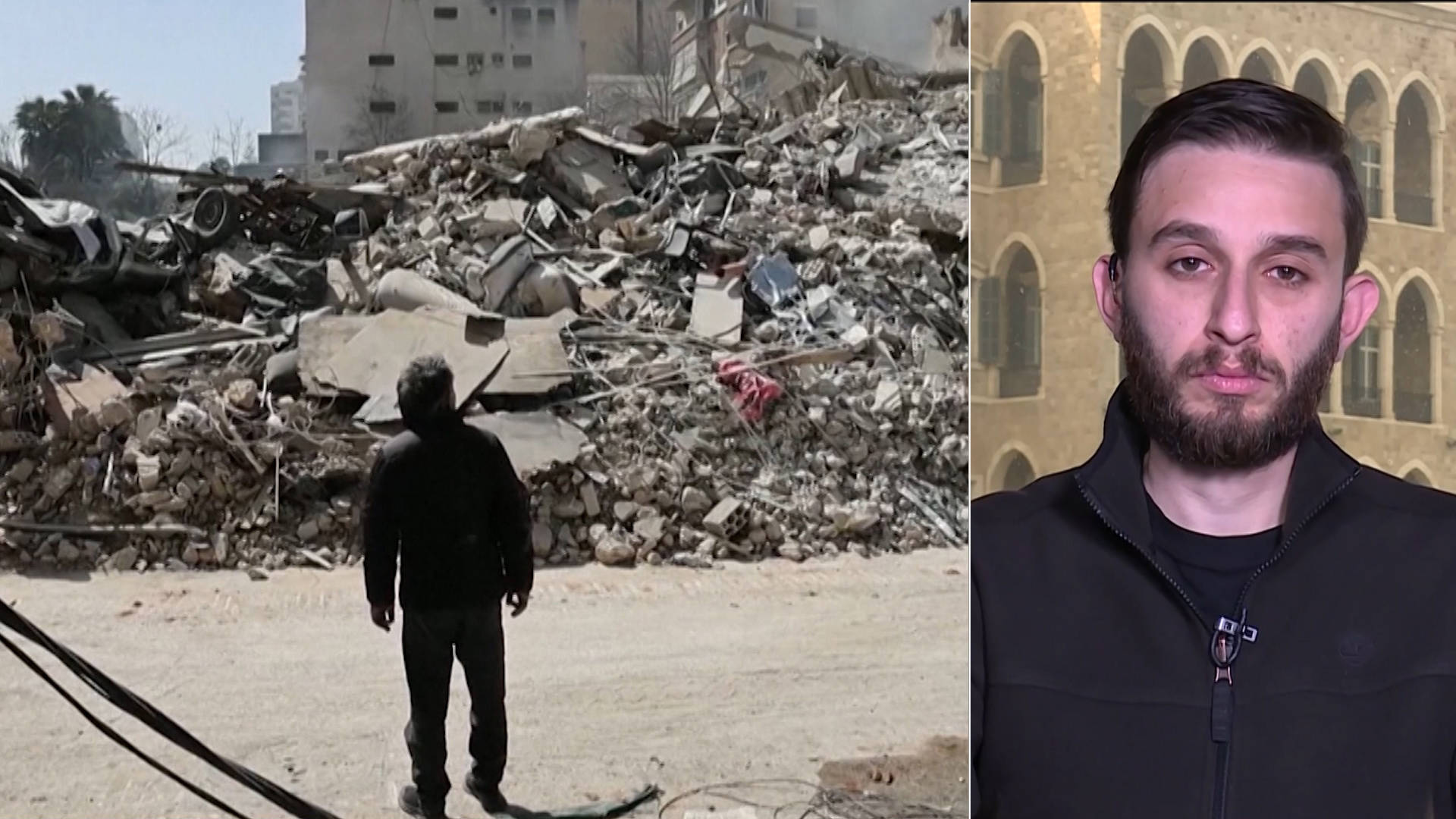
Heavy fighting between Hezbollah and Israeli forces is escalating in South Lebanon, displacing over one million people and prompting fears of a full-scale ground invasion. The Israeli military has targeted key infrastructure, including bridges over the Litani River, severing vital connections within the country, as reported by the Associated Press’s Kareem Chehayeb.
Lebanese health officials report more than 1,000 people have been killed and thousands injured since fighting began earlier this month, with at least 40 medical workers and over 100 children among the dead. The U.N. High Commissioner for Human Rights has raised concerns of potential war crimes, citing the destruction of residential buildings in densely populated areas and attacks on displaced persons, stating that deliberately targeting civilians or civilian objects constitutes a war crime.
The current conflict follows the assassination of Iran’s supreme leader, Ayatollah Ali Khamenei, which prompted Hezbollah to resume missile attacks into northern Israel. Lebanon’s President Joseph Aoun has proposed direct negotiations with Israel, a move supported by France, in an attempt to secure a cessation of hostilities. Still, these efforts are currently stalled, with Hezbollah demanding a full Israeli withdrawal from Lebanese territory before engaging in talks, and Israel appearing hesitant to halt ground operations.
According to Chehayeb, the scale of the current conflict has rapidly surpassed previous confrontations, with daily airstrikes and widespread displacement creating a significant humanitarian crisis. Beirut is overwhelmed with displaced people, many of whom are sheltering in public schools or on the streets. The strikes on energy facilities are exacerbating Lebanon’s existing economic woes and driving up inflation.
The Lebanese government’s proposal for direct negotiations, a departure from past practice which relied on U.S., French, and U.N. Mediation, seeks to reaffirm Lebanon’s commitment to disarming Hezbollah and strengthening the Lebanese army’s control over the country. While Israel has not outright rejected the offer, a key sticking point remains whether talks should occur during ongoing fighting.
The escalating violence is deepening existing divisions within Lebanon regarding Hezbollah’s role. Some view the group as a protector against Israeli aggression, while others criticize its entanglement in regional conflicts and its perceived infringement on Lebanese sovereignty. The recent bombing of the home of Lebanese journalist Mohammed Sherri, killing him and his wife, and a separate incident where an Israeli missile narrowly missed RT journalist Steve Sweeney while he was reporting, highlight the dangers faced by journalists covering the conflict.
Statements from Israeli officials, including Finance Minister Bezalel Smotrich’s threat to demolish parts of Beirut, and controversial remarks by U.S. Ambassador to Israel Mike Huckabee regarding Israel’s territorial claims, have further inflamed tensions. As the conflict continues, the prospect of a prolonged Israeli occupation of southern Lebanon looms, and a diplomatic resolution remains elusive.