
Lebanese Archeological Sites in Tyre Under Threat from Israeli Strikes
A blue shield symbol now marks the entrance to the Bass site in the southern Lebanese city of Tyre, a desperate attempt to protect the ancient ruins from Israeli airstrikes following a recent attack in the vicinity. The historic city, one of the oldest in the Mediterranean basin and home to Roman-era remains, lies approximately 20 kilometers from the Israeli border and has been repeatedly struck since the outbreak of hostilities between Israel and Hezbollah.
Despite repeated Israeli military warnings urging complete evacuation, many families remain in Tyre. The “Blue Shield” initiative, launched by a committee affiliated with the United Nations Educational, Scientific and Cultural Organization (UNESCO), has designated over thirty archaeological sites across Lebanon – including those in Tyre – with the markings as a direct appeal to the Israeli military. The 1954 Hague Convention obligates warring parties to protect cultural property during armed conflict.
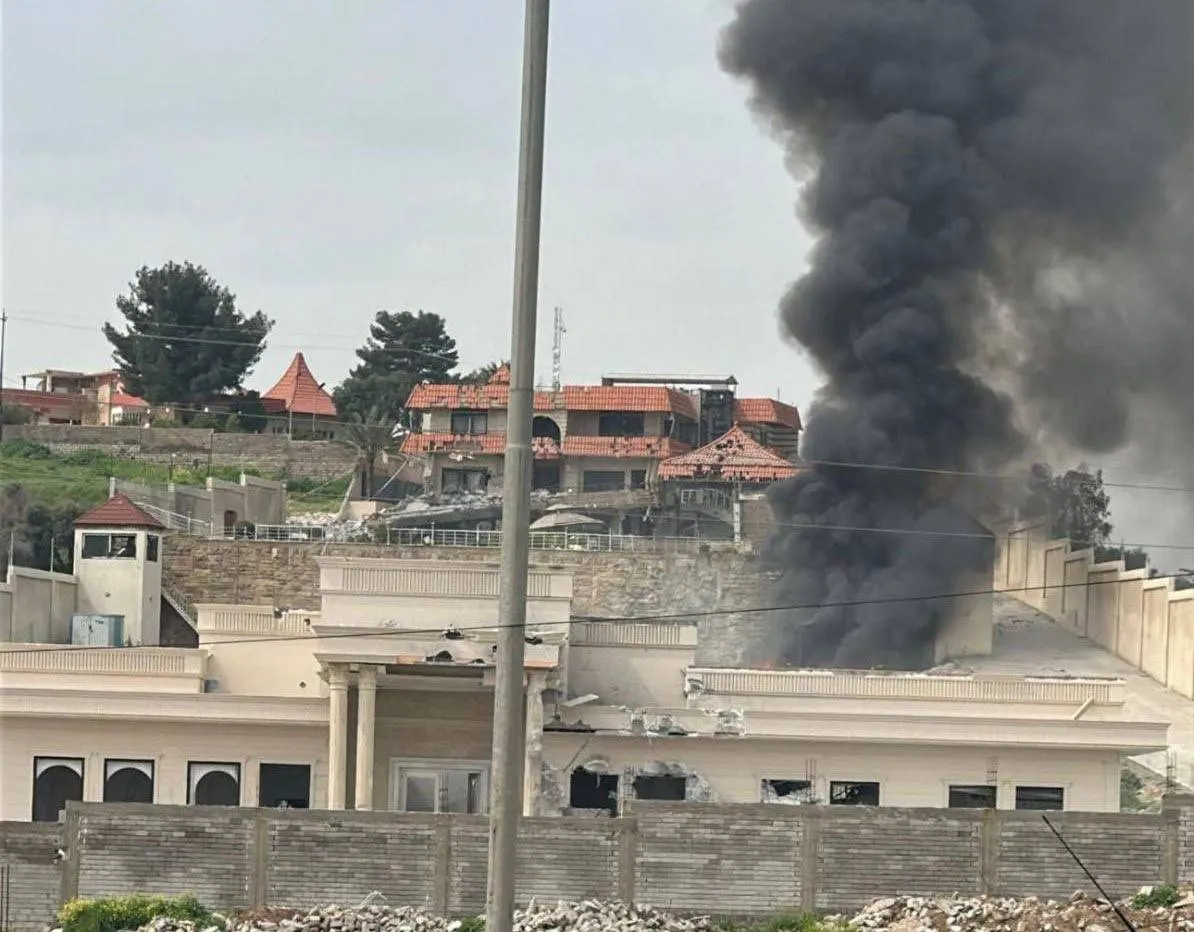
On March 6th, an Israeli airstrike landed just meters from the archaeological site in Tyre, killing eight members of a single family, according to Lebanese authorities. Their home was reduced to rubble. “They were our neighbors… they thought that being near the archaeological site would protect them, since World Heritage sites should not be targeted during wars and conflicts,” said Nader Saqlawi, director of archaeological excavations in the South, to journalists, including a reporter from the Agence France-Presse.
Saqlawi recounted that when a team went to assess the damage two days after the strike, “they found some human remains… on the roof of the museum” currently under construction. Windows of the museum were shattered, but the archaeological cemetery dating back to the 2nd and 3rd centuries, the massive triumphal arch, the water channels, and the Roman-era hippodrome within the site itself, remained largely unscathed – testaments to the prosperity of the Roman period.
In antiquity, Tyre was a significant Phoenician port city, later conquered by Alexander the Great and subsequently incorporated into the Roman Empire. The ongoing conflict has prompted a mass exodus from the city, though thousands of residents continue to defy evacuation orders.
Lebanese Culture Minister Ghassan Salamé condemned “the targeting of Israel’s aggression against the cultural and civilizational heritage” of the country. In a statement following the strike near the archaeological site, Salamé stated, “Archaeological sites contain no military or security presence, and therefore cannot be used as justification for their bombing or damage.” The Israeli military, which maintains its attacks target Hezbollah military infrastructure, did not respond to a request for comment from Agence France-Presse.
Renewed hostilities between Israel and Hezbollah began on March 2nd, triggered by a Hezbollah rocket barrage towards Israel in response to the reported killing of a senior commander in an American-Israeli strike in Iran. Israel has since launched intensive attacks across Lebanon, including incursions into the south, resulting in over 1,000 deaths and the displacement of more than one million people, according to Lebanese authorities.
In Tyre, archaeologists are undertaking a more detailed assessment to identify any cracks or fissures that may have affected the ancient stones as a result of the recent airstrike. David Sassine, an expert with the International Alliance for the Protection of Heritage in Conflict Areas (ALIPEC), an organization assisting governments in safeguarding archaeological sites, noted, “Lebanon is full of archaeological treasures… and there is not enough space in the warehouses in Beirut to move all the threatened artifacts.”
Sassine added that transporting artifacts to Beirut under military protection “remains fraught with risks,” given the lack of guarantees that they will be spared from the daily Israeli airstrikes. During the 2006 war between Israel and Hezbollah, gold coins, pottery, and valuable sarcophagi were moved to Beirut and remain stored in the Ministry of Culture’s warehouses. That same year, the city of Tyre and its surroundings were also targeted by Israeli attacks that partially destroyed the medieval castle of Shמע (Shמע), located in the border region.
“The Israelis know everything… they know exactly what is in that site,” said Saqlawi. Mustafa Najdi, a guard at the archaeological site, described the recent strike: “I heard a very strong explosion and the glass shattered. I ran away from the place and informed the authorities. There were remains, and the situation was very difficult.” He added, speaking to Agence France-Presse, “No one cares about us… we hope that everyone who can will set pressure to stop this barbarism.” “This civilization represents history, it represents Lebanon, it represents everyone, Lebanese and non-Lebanese.”