
Marfa, Texas – The minimalist vision of artist Donald Judd, realized in the architecture of his Texas desert installations, is proving anything but maintenance-free. Ongoing repairs to Judd’s Chinati Foundation are revealing a costly legacy of structural issues stemming from the artist’s prioritization of form over practical function, including leaky roofs and recently collapsed walls.
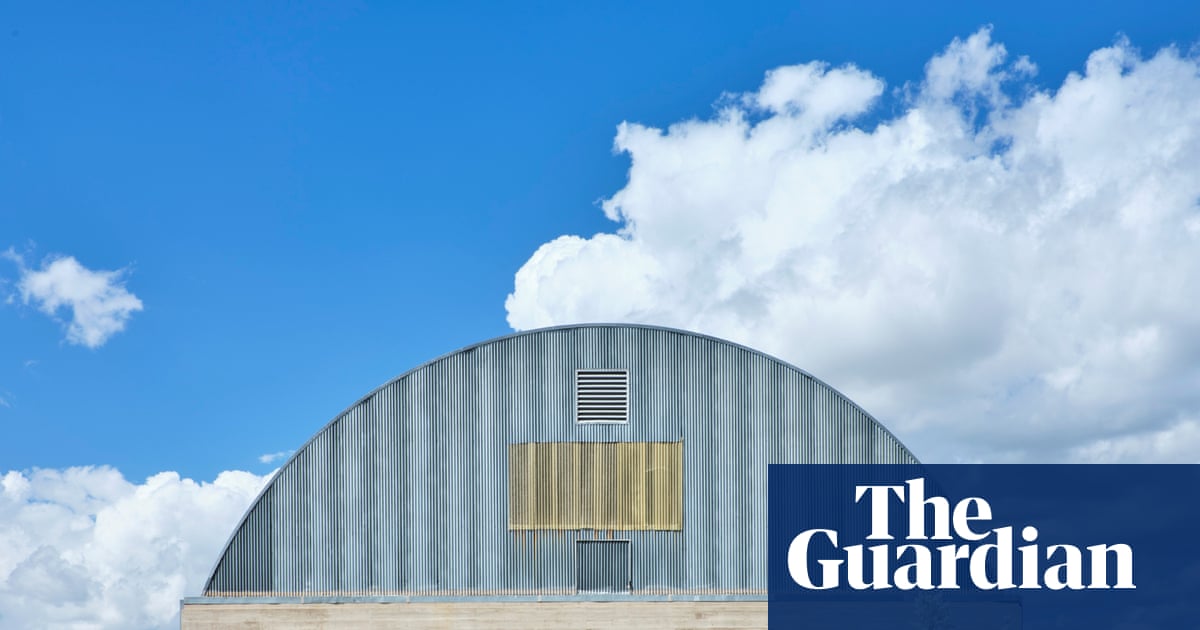
The Chinati Foundation, established by Judd in 1986, is facing substantial upkeep challenges.Recent work includes the addition of two large barrel-vaulted metal roofs to artillery sheds-partly to address existing leaks in the original flat concrete structures, but primarily intended to create a striking visual presence on the horizon.Though, Judd’s insistence on seamless junctions between thes roofs and the walls below has historically led to persistent water damage. Similarly, his decision to use cement mortar with adobe bricks in a perimeter wall has resulted in critical structural weaknesses; a section of the wall recently collapsed and will be rebuilt with hidden steel reinforcement to maintain Judd’s original aesthetic.
“It’s like maintaining the Golden Gate Bridge,” says foundation director Rob Schaum. “Once it’s completed, you start back at the other end.” Architectural historian Julian Rose notes the roof junctions were “a three-dimensional nightmare, almost impossible to seal.” The ongoing maintenance underscores the precarious reality of preserving Judd’s seemingly permanent artistic vision in the harsh desert habitat.
