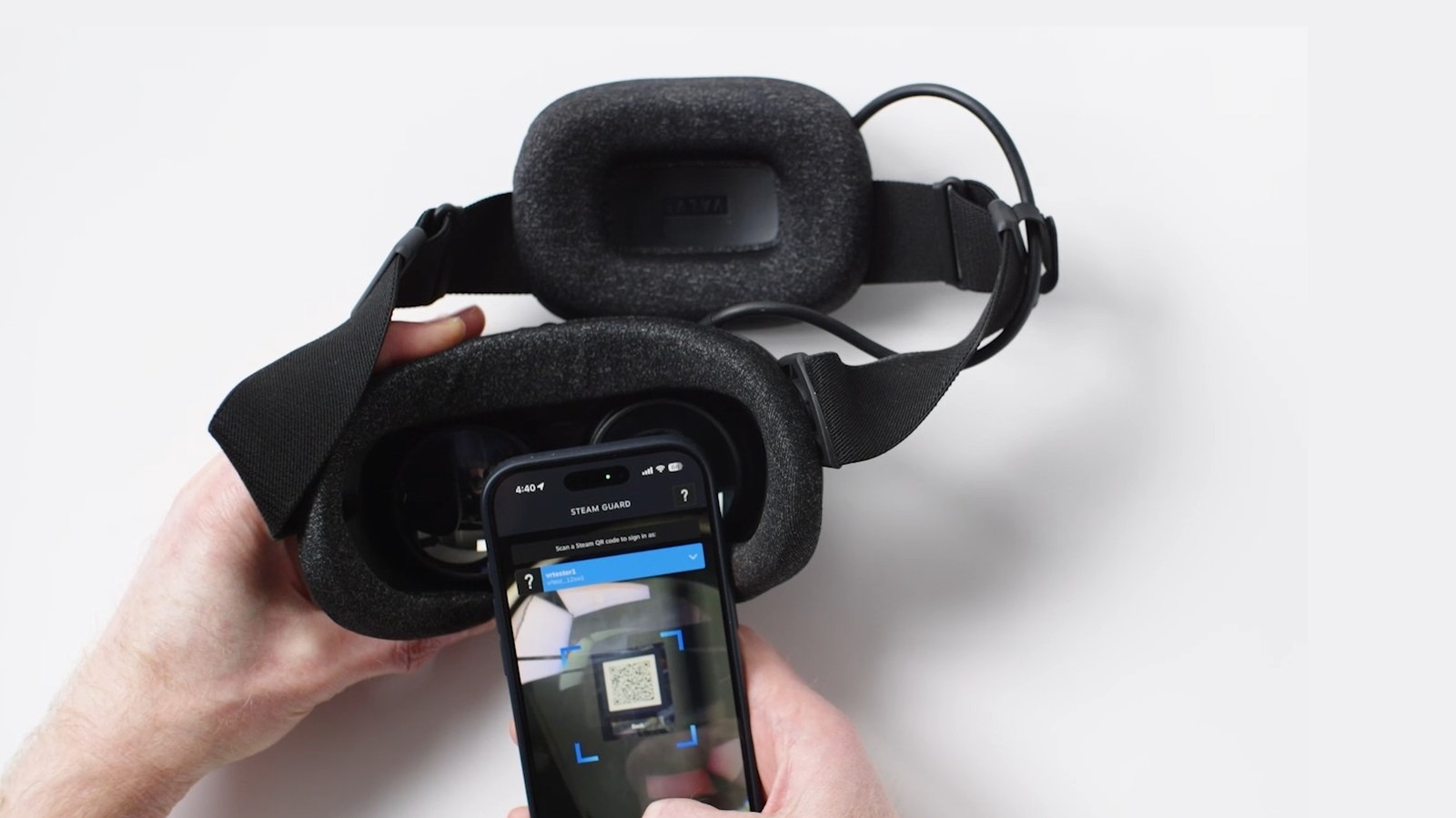
Leaked Steam Frame Videos Reveal Setup and Features of Valve’s New VR Headset
Valve Steam Frame: Architectural Breakdown and Deployment Readiness
Leaked internal documentation and setup videos for Valve’s Steam Frame—internally codenamed “Deckard”—reveal a sophisticated approach to standalone virtual reality, emphasizing hardware-level integration between the Qualcomm Snapdragon 8 Gen 3 chipset and a customized Linux-based SteamOS.
The Tech TL;DR:
- Hybrid Compute Architecture: The Steam Frame utilizes a Snapdragon 8 Gen 3 SoC to manage standalone rendering, while prioritizing a low-latency 6GHz wireless stream for high-end PC VR workloads.
- Ergonomic Modular Design: Setup videos demonstrate user-adjustable pivot arms and specific spacing gaskets for prescription lens compatibility, addressing common friction points in VR ergonomics.
- Developer Ecosystem: The inclusion of a gen4 PCIe expansion port and support for 2.5Gbps camera modules suggests Valve is targeting a “hacker-friendly” hardware profile, mirroring the modularity found in the Steam Deck.
Hardware Specifications and Streaming Logic
The Steam Frame hardware is built around a 2160 x 2160 LCD display per eye, supporting variable refresh rates from 72Hz to 120Hz, with an experimental 144Hz mode. Unlike standard standalone headsets that rely purely on onboard rendering, Valve has implemented a proprietary foveated streaming technology. By leveraging eye-tracking data, the system optimizes bandwidth allocation to the foveal region of the user’s vision, effectively reducing latency and visual artifacts during high-motion scenarios. As noted by Road to VR, the headset employs a dual-antenna system: a 6GHz antenna for the dedicated wireless dongle and a secondary 5GHz antenna for general network connectivity.
Implementation: Verifying Connectivity and Latency
The “Deckard” Ecosystem: Compatibility and Proton
The Steam Frame runs a version of SteamOS optimized for the ARM architecture. Similar to the Steam Deck, the device utilizes a Proton translation layer to execute x86-based Windows binaries. However, performance remains contingent on the Snapdragon 8 Gen 3’s thermal envelope. While Valve has not yet released the “Frame Compatibility” certification standards, the architecture is clearly designed to offload the heavy lifting of modern titles like Hades II to the local SoC, while reserving the wireless stream for compute-intensive PC VR environments.

Lifecycle and Deployment Outlook
The sudden appearance and subsequent removal of these instructional videos from the ARM Steam client indicate that Valve is in the final stages of its software deployment cycle. With a 13-ton shipment of hardware recently tracked, the “summer” release window cited by Valve appears increasingly plausible.
Disclaimer: The technical analyses and security protocols detailed in this article are for informational purposes only. Always consult with certified IT and cybersecurity professionals before altering enterprise networks or handling sensitive data.