
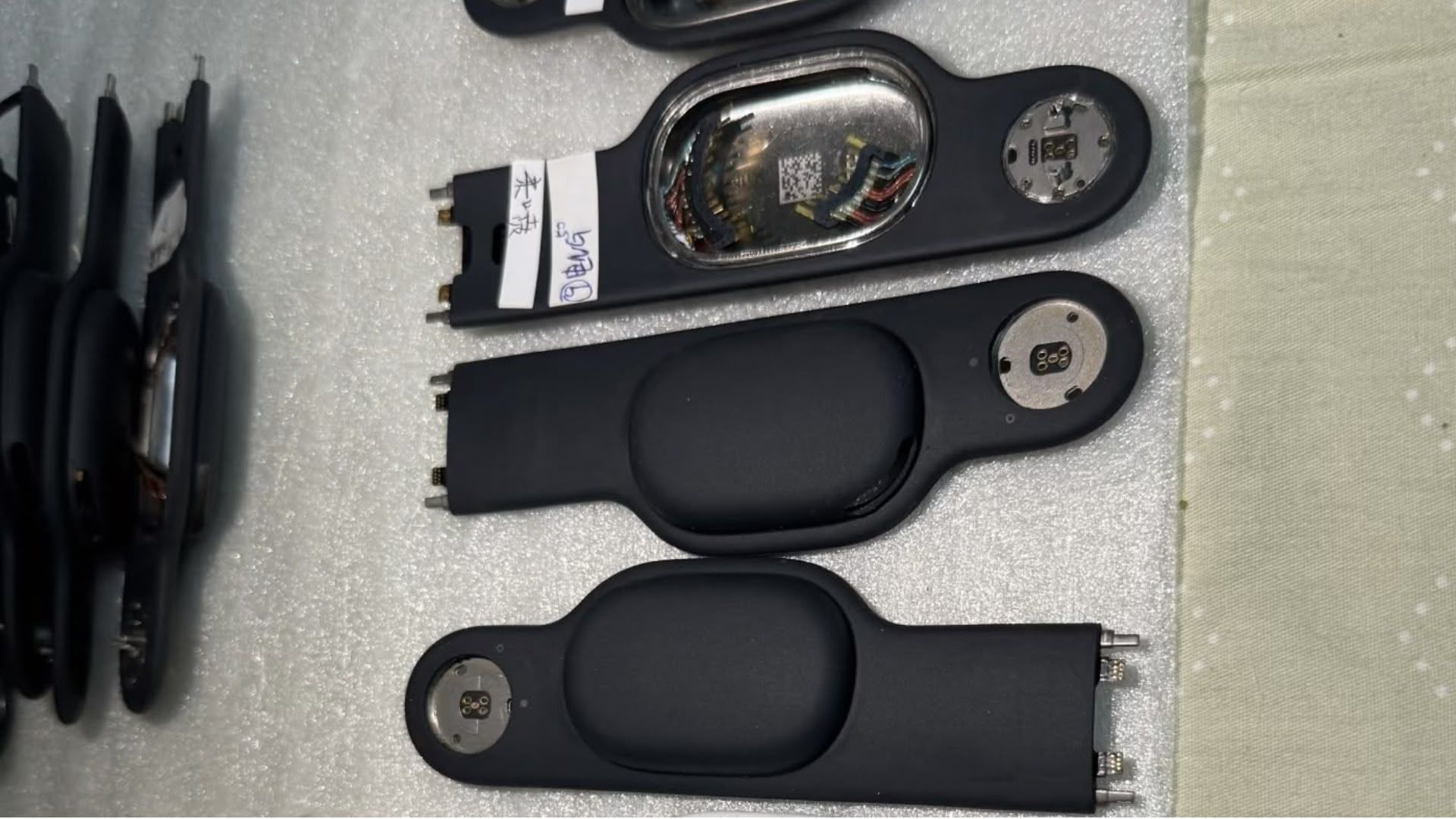
Leaked Images Reveal All-Black Apple Vision Pro Parts
Hardware Prototyping and the Reality of Apple’s Spatial Computing Roadmap
The recent emergence of leaked component imagery showing an all-black Apple Vision headset—specifically power straps and audio pods—has reignited speculation regarding the future of Apple’s spatial computing hardware. While these parts mirror the form factor of the existing Apple Vision Pro, their distinctive dark finish suggests an internal design iteration that never reached the consumer market. For enterprise architects and developers currently navigating the M5-powered ecosystem, these leaks serve as a reminder of the iterative, often volatile, nature of high-end hardware development cycles.
The Tech TL;DR:
- Leaked images confirm existence of black-finished prototype components for an unreleased Vision headset, reinforcing reports of ongoing internal hardware testing.
- Apple has pivoted its primary R&D focus toward AI-powered smart glasses and Siri-integrated wearables, pushing the next-generation Vision Pro successor at least two years into the future.
- The M5 chip remains the current performance ceiling for spatial computing, though supply chain signals suggest Apple is prioritizing silicon efficiency for lighter, lower-power form factors.
Architectural Analysis: Beyond the Midnight Finish
The hardware in question, characterized by a dark bluish-black finish, aligns with previous reports of a thinner, lighter iteration internally labeled as “Vision Air.” From an engineering standpoint, the shift from silver/white to a darker aesthetic is rarely merely cosmetic. It often signifies a change in material science, such as the integration of titanium for the chassis or battery enclosure to reduce thermal mass and improve weight distribution. For CTOs managing fleets of spatial devices, these hardware tweaks are critical; weight reduction is the primary variable in long-duration enterprise training sessions or remote maintenance workflows.

Currently, the Vision Pro utilizes an M5 SoC, providing the necessary overhead for complex rendering and sensor fusion. However, the move toward a redesigned, smaller headset implies a fundamental shift in the thermal management stack. Developers should monitor how these potential hardware constraints affect the visionOS SDK performance requirements. If the future hardware footprint shrinks, we may see stricter limitations on NPU utilization and background containerization to maintain battery longevity.
The Implementation Mandate: Monitoring Hardware Telemetry
For those currently deploying Vision Pro units in enterprise environments, maintaining visibility into hardware health is paramount. While Apple’s ecosystem is closed, developers can leverage existing diagnostic frameworks to monitor thermal throttling and NPU load. Below is an example of how one might query hardware status using a conceptual CLI approach for internal performance monitoring:
# Querying hardware thermal state and SoC utilization via internal diagnostic bridge idevicediagnostics -u [UDID] diagnostics curl -X POST https://internal-dev-portal/v1/telemetry/report -H "Content-Type: application/json" -d '{"metric": "thermal_throttle_state", "value": "nominal", "soc": "M5"}'When hardware transitions are in flux, relying on legacy diagnostic tools is a risk. Organizations should partner with IT infrastructure consultants to ensure that their device management (MDM) profiles are robust enough to handle potential hardware revisions without requiring manual re-provisioning of every headset in the field.
Market Pivot: The Move Toward AI Wearables
The narrative that Apple has abandoned spatial computing is a misunderstanding of their strategic pivot. By reassigning members of the Vision Products Group to AI-focused smart glasses and Siri development, Apple is signaling that the current “goggle” form factor requires a breakthrough in weight and utility before it can achieve mass adoption. For the enterprise, Which means the current M5 Vision Pro is likely the stable baseline for the next 24 months. Businesses currently integrating spatial apps should focus on cross-platform compatibility with enterprise software development agencies to ensure their codebases are portable to future, lighter Apple hardware.

If your enterprise is experiencing integration friction with the current headset, engaging with cybersecurity auditors and penetration testers is necessary to ensure that custom spatial applications remain SOC 2 compliant as new, potentially less secure, wearable interfaces are introduced to the network.
The Trajectory of Spatial Hardware
The appearance of these black prototype parts is a reminder that Apple’s R&D pipeline is relentless, even when public-facing product launches appear stagnant. Whether the “Vision Air” eventually surfaces or remains a design exercise, the architectural lessons learned from the M5 implementation will undoubtedly define the next generation of Apple’s AI-wearable stack. As the industry moves toward more discreet, high-performance wearables, the bottleneck will not be compute power, but power efficiency and heat dissipation. Developers who lean into optimized, low-latency code today will be the best positioned for the hardware shifts of 2028.
Disclaimer: The technical analyses and security protocols detailed in this article are for informational purposes only. Always consult with certified IT and cybersecurity professionals before altering enterprise networks or handling sensitive data.