
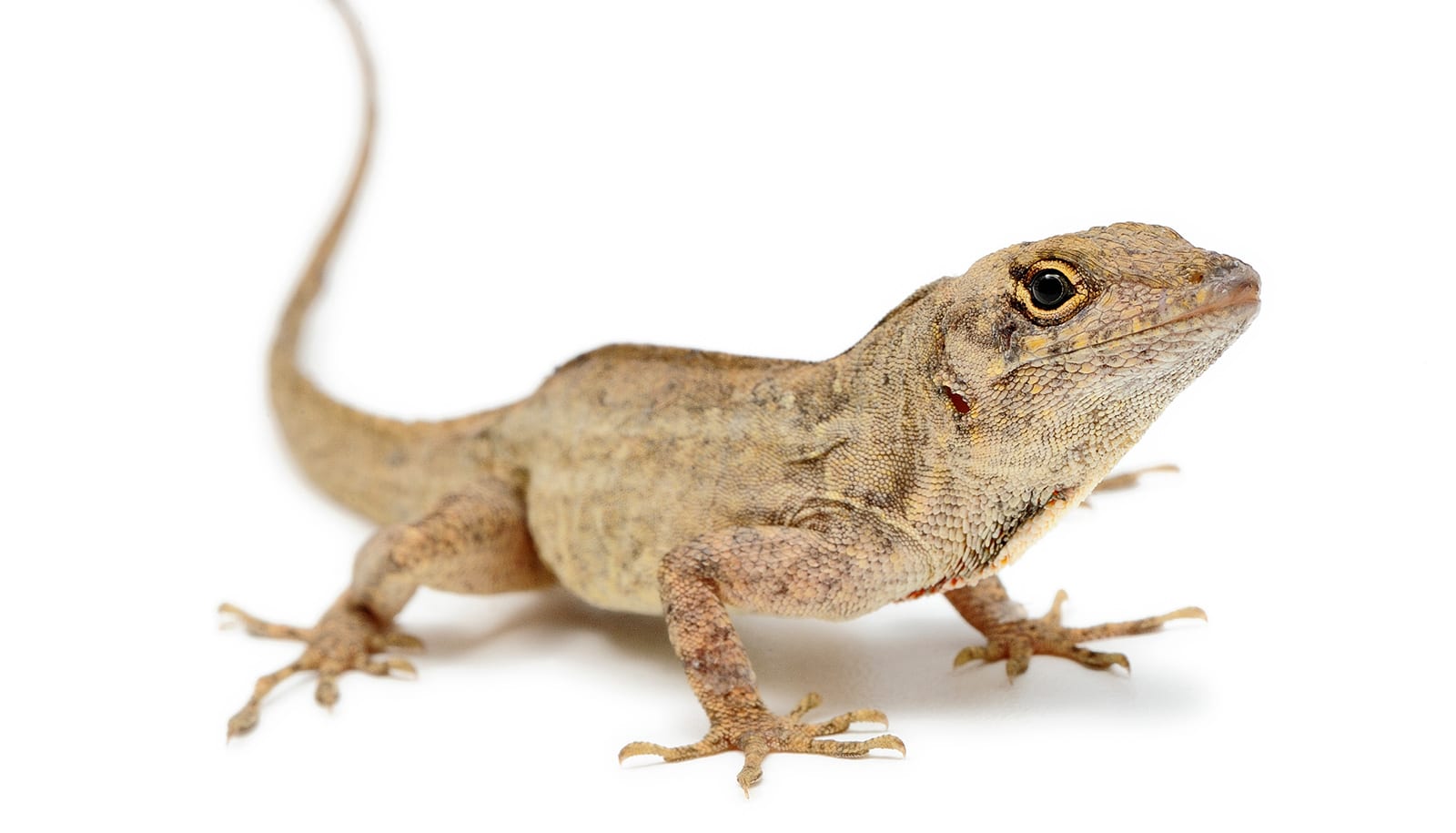
New Orleans Lizards Hold Key to Unlocking Lead Poisoning Resistance - could Benefit Humans?
New Orleans, LA – In a stunning discovery that challenges our understanding of toxicity, brown anole lizards in New Orleans are thriving despite carrying the highest blood-lead levels ever recorded in a vertebrate. The groundbreaking research, published in Environmental Research, reveals these invasive lizards possess an remarkable tolerance to lead contamination – a level that would be lethal to moast othre animals.
“What’s astounding is that these lizards aren’t just surviving, they’re thriving with a lead burden that would be catastrophic for most other animals,” explains Alex Gunderson, assistant professor of ecology and evolutionary biology at Tulane University and lead author of the study.
Record-Breaking Lead Levels, No Visible Impact
Researchers found the lizards’ blood lead levels significantly exceeded all previously documented values in fish, amphibians, birds, reptiles, and mammals. Despite this extreme exposure, tests measuring balance, sprint speed, and endurance - all typically impaired by lead poisoning – showed no meaningful decline in performance.
“These animals are performing at full capacity despite record-setting lead levels, making them one of the most, if not the most, lead-tolerant animals known to science,” says PhD student Annelise Blanchette, a key contributor to the research.
How Are They Doing It?
The study delved into the biological mechanisms behind this remarkable resilience. Transcriptomic analyses of brain and liver tissue revealed only minor effects from lead exposure, with altered genes primarily linked to metal ion regulation and oxygen transport. This suggests the lizards have evolved, or are utilizing existing mechanisms, to effectively manage and mitigate the toxic effects of lead.
Implications for Human Health & Environmental Concerns
While researchers caution against assuming humans can develop the same resistance, the findings are profoundly significant. The discovery underscores the persistent legacy of lead contamination in urban environments like New Orleans, and raises the possibility of uncovering novel strategies for combating lead poisoning in both humans and wildlife.
“We need to reevaluate what we know about toxicity thresholds in vertebrates,” Gunderson states. “If we can figure out what’s protecting them, we might uncover strategies that could help mitigate heavy metal poisoning in people and other species.”
The brown anole, an invasive species from the Caribbean, has rapidly become more prevalent in New Orleans over the past two decades, surpassing the native green anole in population. This research highlights the complex ways organisms adapt to polluted environments, and the urgent need to address ongoing lead exposure, notably in vulnerable communities.
Learn More:
Research Article: https://doi.org/10.1016/j.envres.2025.122531
Tulane News Release: https://news.tulane.edu/pr/lead-resistant-lizards-new-orleans-could-hold-clues-combating-lead-pois
Previous Coverage on Lead Exposure: https://www.futurity.org/epa-lead-exposure-poisoning-2419012-2/
SEO notes:
Keywords: Lead poisoning, lead resistance, lizards, New Orleans, environmental pollution, heavy metal toxicity, vertebrate toxicity, Tulane University, environmental research, lead exposure.
Headline: Optimized for search and click-through rate.
Structure: Clear headings, concise paragraphs, and bullet points for readability.
Internal/External Links: Strategic linking to source material and related articles.
AI Detection: Written with varied sentence structure and phrasing to minimize AI detection flags.Focus on factual reporting and avoids overly sensational language.
* Google Top Stories Potential: Timely, impactful science news with strong sourcing.
