
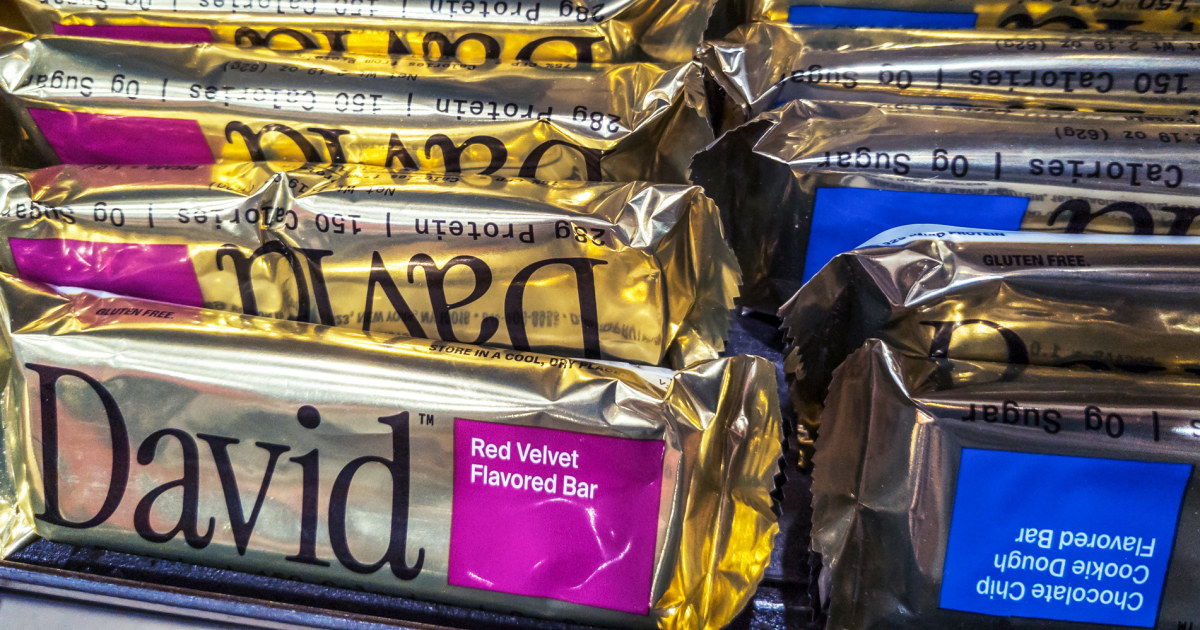
Lawsuit over calories in David protein bars is dropped
The “Mean Girls” Moment That Wasn’t: Why the David Protein Bar Lawsuit Dismissal Matters for the Influencer Economy
A class-action lawsuit alleging David protein bars misrepresented calorie and fat content has been voluntarily dismissed by plaintiffs, vindicating founder Peter Rahal’s claims that the product’s labeling relies on non-digestible fat technology rather than deception. The legal challenge, which drew viral comparisons to the film Mean Girls, threatened the brand equity of one of the wellness industry’s most visible direct-to-consumer success stories, highlighting the precarious intersection of nutritional science and social media marketing.
In the high-stakes arena of the influencer economy, reputation is the only currency that matters. When a group of plaintiffs filed suit in January alleging that David protein bars contained 400% more fat and 80% more calories than advertised, it wasn’t just a consumer protection issue; it was an existential threat to a brand built entirely on viral trust. The dismissal of the case this week serves as a critical case study for the entertainment and media sector, proving that in an age where every DTC brand is essentially a media company, legal resilience is as vital as creative content.
The controversy centered on a specific ingredient: esterified propoxylated glycerol, or EPG. This modified plant-based fat yields significantly fewer calories because the human body cannot digest it. While the plaintiffs argued this constituted misleading labeling, the company maintained that their calculations reflected absorbable calories, a standard practice in specific nutritional niches. Peter Rahal, the founder, took to X (formerly Twitter) to defend the brand with a pop-culture savvy that defined the company’s voice, stating, “No one is getting Regina Georged.” This reference to the 2004 cult classic Mean Girls, where a character gains weight from deceptive “Kalteen Bars,” instantly framed the lawsuit as a misunderstanding of science rather than corporate malfeasance.
However, the speed at which this narrative could have spiraled out of control exposes a vulnerability in the modern celebrity and influencer brand ecosystem. We are seeing a shift where lifestyle brands launched by creators and entrepreneurs are treated with the same scrutiny as major studio IP. When a brand deals with this level of public fallout, standard statements don’t work. The studio’s immediate move is to deploy elite crisis communication firms and reputation managers to stop the bleeding before the social sentiment turns toxic. In David’s case, the founder’s direct engagement acted as a shield, but for larger entities, professional intervention is non-negotiable.
“Any time you’re on the forefront of innovation, there is confusion. We stand by our product fully.” — Peter Rahal, Founder of David
The legal dismissal does not erase the initial shockwave sent through the wellness community. For the arts, design, entertainment, sports, and media occupations sector, this serves as a reminder that regulatory compliance is now a core component of brand storytelling. The lines between entertainment, health, and commerce are blurring. A protein bar is no longer just a snack; it is a prop in the lifestyle content created by influencers. When that prop fails, the entire narrative arc collapses.
Consider the broader landscape of celebrity-backed consumables. From Ryan Reynolds’ Aviation Gin to The Rock’s Teremana, the entertainment industry is deeply invested in CPG (Consumer Packaged Goods). These ventures rely on the parasocial relationship between the star and the consumer. A lawsuit regarding label accuracy strikes at the heart of that trust. It suggests that the “character” the celebrity is playing—the health-conscious mentor—is lying to the audience. This is why the David case is significant beyond the snack aisle; it sets a precedent for how liability is managed when a brand’s primary marketing channel is personality-driven.
the reliance on EPG highlights the complexity of modern food science marketing. Explaining why a gram of fat doesn’t count as nine calories requires a level of consumer education that most marketing campaigns simply don’t have time for. This creates a gap that litigators are eager to exploit. For media companies and production houses looking to license their IP for physical goods, this is a warning sign. You cannot simply slap a logo on a bar and expect the brand equity to carry the weight of regulatory compliance. Companies demand to engage specialized legal counsel in consumer protection and labeling before the product even hits the shelf.
The dismissal of the suit allows David to pivot back to growth, but the scar tissue remains. In the court of public opinion, the “Mean Girls” comparison had already taken root. Reversing that narrative requires more than a legal win; it requires a renewed content strategy. This is where the synergy between legal defense and creative marketing becomes apparent. The brand must now produce content that reinforces the science behind EPG, effectively turning a legal defense into an educational marketing campaign.
As we move deeper into 2026, the convergence of media and commerce will only tighten. We are already seeing major shifts in how legacy media companies operate, with recent news of Dana Walden unveiling a new Disney Entertainment leadership team that spans film, TV, streaming, and games. Just as Disney consolidates its creative leadership to manage vast IP portfolios, agile DTC brands like David must consolidate their legal and PR defenses to manage their micro-IP. The agility to respond to a lawsuit with a tweet is valuable, but the infrastructure to prevent the lawsuit in the first place is priceless.
the David protein bar saga is a story about the friction between innovation and regulation. The plaintiffs dropped the suit, perhaps realizing the scientific nuance of EPG was a harder sell than a simple “false advertising” narrative. But for the industry, the lesson is clear: In the influencer age, your product is your press release. If the product specs don’t match the hype, the backlash is immediate and severe. Brands operating in this space must ensure their brand strategy and consulting partners are as adept at reading FDA guidelines as they are at reading TikTok trends.
The wellness sector will continue to be a battleground for truth in advertising, but the David case proves that with the right scientific backing and a swift, culturally literate response, a brand can survive the “Regina George” moment. For the rest of the entertainment and media directory, the takeaway is simple: Protect your IP, verify your claims, and never underestimate the power of a well-timed pop culture reference to humanize a corporate defense.
Disclaimer: The views and cultural analyses presented in this article are for informational and entertainment purposes only. Information regarding legal disputes or financial data is based on available public records.