Latvia Has No Legal Obstacles to Deploying Nuclear Weapons, Says President Rinkēvičs
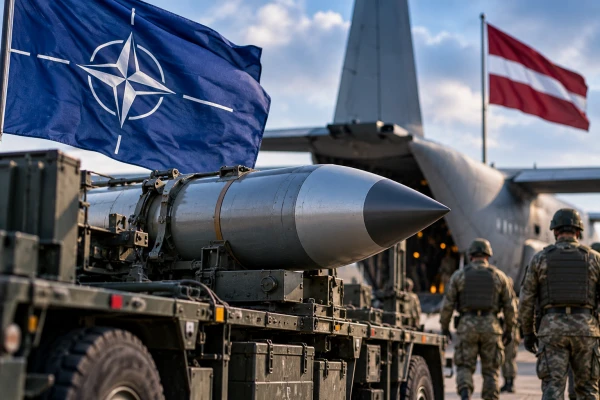
Latvian President Edgars Rinkēvičs stated that no legal obstacles exist in the Latvian Constitution to prevent the deployment of nuclear weapons within the country. However, he emphasized that no specific negotiations are currently underway regarding such a deployment, which would require a collective decision by NATO.
Constitutional Framework and Joining the Alliance
The absence of constitutional restrictions traces back to 2003. Ahead of joining NATO, applicant nations had to confirm they held no domestic legal barriers that would hinder full participation in the alliance’s collective security mechanisms, including its nuclear deterrence system. Rinkēvičs noted that if a necessity arises and NATO collectively decides to act, nuclear weapons could be deployed in Latvia.
This discussion coincides with regional legislative shifts. In September, the Lithuanian Seimas supported in the first reading a measure to repeal its constitutional ban on deploying nuclear weapons.
The Existing Nuclear Umbrella and Regional Deterrence
Latvia already operates under a nuclear umbrella provided primarily by the United States and the United Kingdom. Rinkēvičs described nuclear deterrence as a vital factor in preventing European conflicts from escalating into large-scale wars, noting that the use of such weapons is a last resort meant to deter potential aggressors.
The United Kingdom has proposed extending additional guarantees of nuclear protection to the Joint Expeditionary Force (JEF) countries. This group includes the Baltic states, Northern Europe, the Netherlands, and the UK itself. Royal Navy Commander Admiral Gwyn Jenkins confirmed London’s readiness to ensure nuclear deterrence within the JEF framework during a recent visit to Finland. A formal agreement establishing a new combat structure with wartime action plans is expected to be signed in November to respond quickly in the event of a Russian threat.
Collective Defense Components
NATO officially defines nuclear forces as one of the key components of its overall deterrence and defense system, working alongside conventional weapons and missile defense. While Rinkēvičs outlined the legal and political possibility for future deployment under strict alliance consensus, he reiterated that no actual decision has been reached to deploy nuclear weapons in Latvia.
As Baltic states and Northern European allies evaluate their long-term security architecture in coordination with international defense frameworks, managing the complex intersection of national legislation and allied military commitments requires specialized insight.