
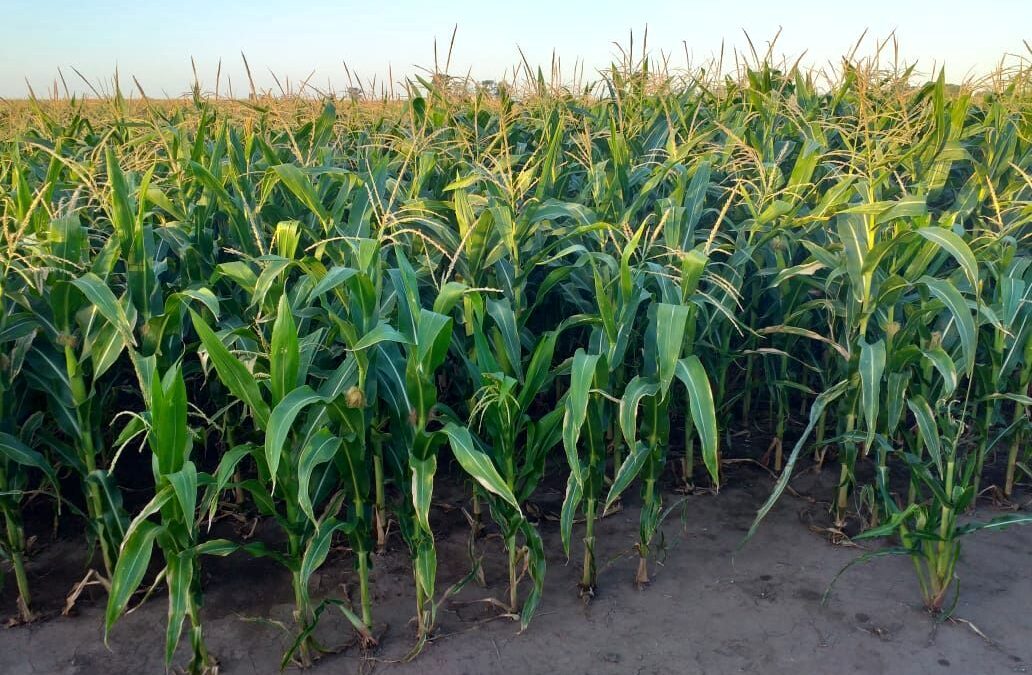
Optimizing Late Corn Production: Data-Driven Decisions for Increased Yields
Late corn continues to be a significant crop in core agricultural regions, currently occupying around 50% of total corn acreage. Despite recent challenges from pest pressures, declining pest populations signal a potential rebound for the upcoming season. The Aapresid Late Corn Network (RMT) is playing a crucial role in empowering producers with the knowledge and data needed to navigate environmental variability and maximize yields.
A cornerstone of successful late corn production is informed hybrid selection. Network data demonstrates that choosing the right hybrid can impact yields by 10-70%, depending on the specific growing surroundings. Experts recommend moving beyond relying on last year’s performance and instead analyzing multi-year trial results – a key focus of the upcoming network report. Stability is paramount; in regions like southern Santa Fe, consistently high-performing hybrids have proven to be the most reliable. Beyond genetics,producers should also consider factors like seed cost,supplier relationships,and access to extensive performance data,as competitive options exist outside of well-known brands.
Nutrient Management: A Holistic Approach
Optimizing nutrition is another critical area for enhancement. Late-planted corn often benefits from greater initial nitrogen availability due to soil mineralization, but this can lead to under-application.Trials indicate a potential response to nitrogen levels up to 200-220 kg/ha, but this is heavily influenced by the availability of phosphorus, sulfur, and micronutrients. A balanced nutritional strategy, guided by thorough soil analysis, is essential to avoid yield gaps that can reach 40%. Innovative approaches, like incorporating legumes such as Vicia, can also contribute significantly to nitrogen supply – studies in southern Santa Fe show biomass exceeding 5000 kg can provide 32-40 kg of N for both late corn and subsequent wheat crops.
Proactive disease Management: Monitoring & Targeted Intervention
Fungicide application is another area where data-driven decisions are key. Network trials consistently show positive responses in over 65% of cases, reaching up to 80% in regions like central-north Córdoba, with some trials demonstrating yield increases exceeding 1,000 kg/ha. Though, a blanket application approach is not recommended. In areas like southern Santa Fe and central Buenos Aires, a focus on diligent monitoring and justified application based on disease pressure is crucial.
For producers planning a late corn crop, the Aapresid Late Corn Network emphasizes three key decisions: selecting hybrids based on multi-year performance data, implementing a comprehensive fertilization plan tailored to soil diagnostics, and adopting a proactive disease management strategy centered on monitoring and targeted fungicide application.
The Aapresid Late Corn Network remains dedicated to providing producers with the concrete data and technical expertise needed to bridge yield gaps and unlock the full potential of late corn production.
