
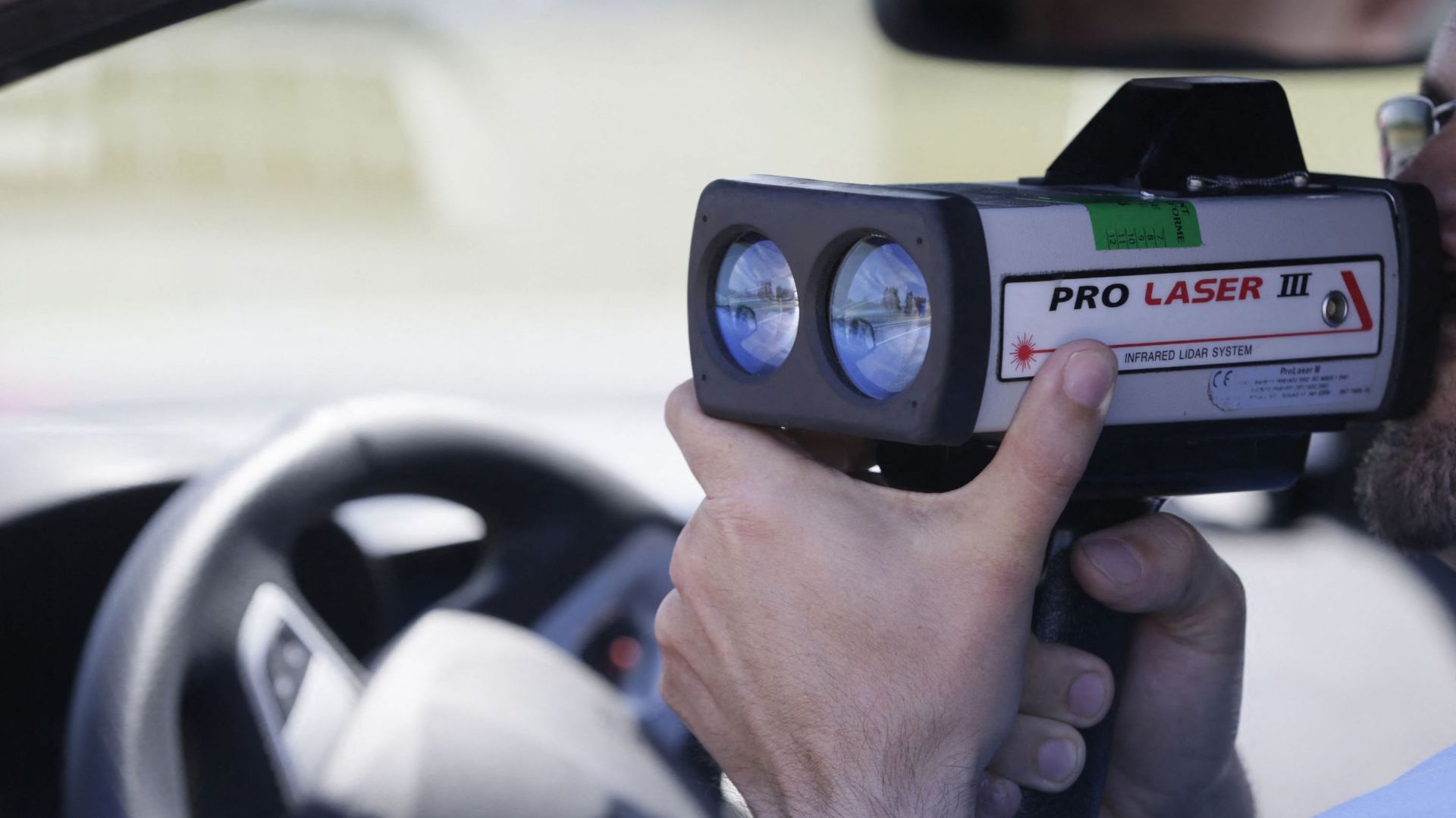
Belgium Considers ‘Laser Gun’ Technology for Enhanced Traffic Enforcement
Table of Contents
Brussels – Belgian authorities are weighing the adoption of handheld laser devices, informally dubbed “laser guns,” to bolster traffic policing capabilities. the potential deployment, however, is prompting debate surrounding citizen privacy and cost-effectiveness.
Precision Technology Faces Scrutiny
The devices, resembling binoculars, offer a significant advantage in precision and range compared to conventional speed detection methods. They can accurately measure vehicle speeds in various weather conditions and identify other infractions, such as distracted driving-specifically, mobile phone use-and seatbelt violations.
Did You Know? Belgium already utilizes section control and Automatic Number Plate Recognition (ANPR) cameras as part of its traffic management system.
Despite these capabilities, the rollout has been slowed by bureaucratic hurdles. Approval processes are complex, requiring assurances that the technology adheres to strict privacy regulations. The initial purchase price also presents a financial consideration for implementation.
Legislative and Institutional Review
The matter was raised in the Belgian House of Representatives by Deputy Philippe Goffin, prompting interior Minister Bernard Quintin to acknowledge the nation’s recent investments in traffic control infrastructure. Quintin indicated that a thorough analysis is underway to determine whether the laser guns would serve as a valuable addition to existing logistical controls.
The VIAS Institute, a leading road safety organization, supports the potential integration of the technology. They suggest that these devices could be especially useful for identifying speeding on hazardous roadways where fixed radar installations are impractical or during periods awaiting their installation.
Cost-Benefit Analysis
A key concern revolves around the manual and intermittent nature of the laser gun’s operation. Experts suggest this may limit its overall effectiveness and return on investment when compared to the continuous monitoring provided by fixed radar systems.
Pro tip: Understanding the limitations of any technology is crucial for effective implementation and resource allocation.
| Factor | Details |
|---|---|
| Technology | Handheld laser speed detection device |
| Key Features | Long-range accuracy,weather resistance,infraction identification (speeding,mobile use,seatbelts) |
| Approval Status | Pending comprehensive review |
| Concerns | Privacy,cost,manual operation |
What impact will this technology have on driver behavior? And how will Belgium balance safety enhancements with individual privacy rights?
The debate highlights a broader trend in law enforcement: the integration of advanced technologies to improve public safety while navigating complex legal and ethical considerations. As noted in a 2023 report by the European Data Protection Supervisor, “the use of surveillance technologies must be proportionate, necessary, and subject to independent oversight” [[1]]. This principle is central to the discussion surrounding the deployment of laser guns in Belgium.
Furthermore, research from the National Highway Traffic Safety Administration (NHTSA) emphasizes the importance of comprehensive traffic safety programs that combine enforcement with education and infrastructure improvements [[2]].
The use of laser technology in law enforcement is not unique to belgium. Several countries and jurisdictions are exploring or have already implemented similar systems. The ongoing challenge lies in striking a balance between leveraging technological advancements for public safety and safeguarding basic rights. The future of traffic enforcement will likely involve a combination of automated systems, like ANPR cameras, and targeted manual interventions, such as those offered by laser guns.
Frequently Asked Questions
- What is a ‘laser gun’ in the context of traffic enforcement? It’s a handheld device used to accurately measure vehicle speed and identify other traffic violations.
- What are the primary concerns surrounding the use of laser guns? Concerns center on citizen privacy, the cost of implementation, and the device’s manual operation.
- What role does the VIAS Institute play in this debate? The VIAS Institute supports the potential use of laser guns for identifying speeding on perilous roads.
- What is Belgium already doing to improve traffic safety? Belgium has invested in section control and ANPR cameras.
- Is this technology widely used elsewhere? While not ubiquitous, several jurisdictions are exploring or implementing similar laser-based traffic enforcement systems.
We encourage you to share this article with your network and join the conversation in the comments below. Subscribe to our newsletter for the latest updates on technology and law enforcement.
