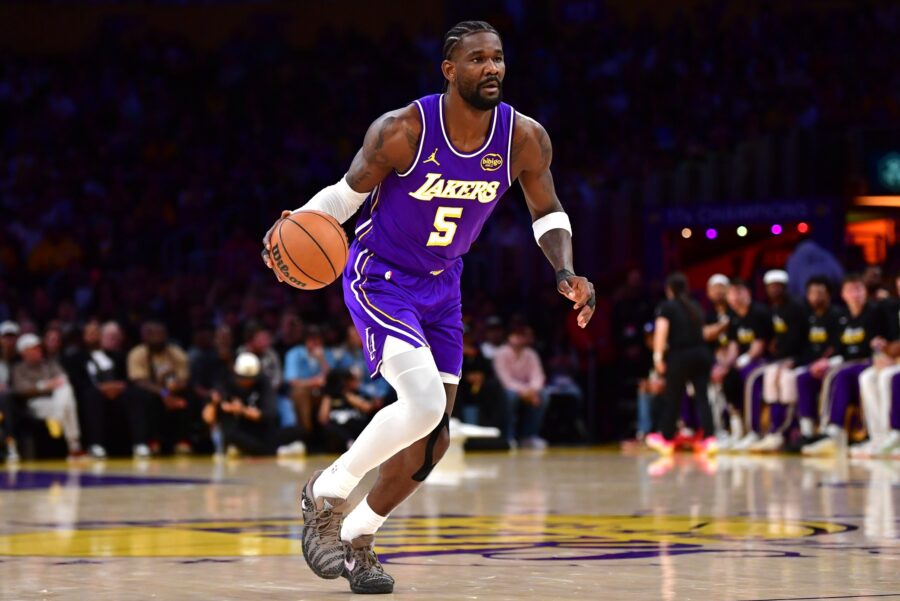
Lakers Trade Deandre Ayton to Wizards
The Los Angeles Lakers are finalizing a trade to send center Deandre Ayton to the Washington Wizards, according to league sources. The move aims to restructure the Lakers’ frontcourt rotation in Los Angeles while providing the Wizards with a high-ceiling center to anchor their rebuilding effort in Washington, D.C.
This transaction creates an immediate void in the Lakers’ interior defense and rebounding. For a franchise under intense pressure to maximize its current championship window, the loss of Ayton’s size is a calculated risk. It shifts the burden of rim protection to the remaining roster, potentially forcing the front office to seek short-term rentals or buyout candidates to maintain their defensive identity.
Why the Lakers are moving Deandre Ayton
The decision stems from a misalignment between Ayton’s playing style and the Lakers’ tactical requirements. While Ayton possesses elite size and scoring versatility, the Lakers’ system requires a more traditional defensive anchor. By moving Ayton to the Wizards, the Lakers clear significant salary cap space and create flexibility for future acquisitions.
The financial implications are substantial. Ayton’s contract is a heavy lift for a team operating near the luxury tax apron. Relieving this burden allows the Lakers to pivot toward more versatile wing players or a different profile of big man. Teams in this position often consult with certified sports agents and salary cap specialists to ensure the trade doesn’t trigger restrictive “hard cap” penalties under the current NBA Collective Bargaining Agreement.
It is a gamble on chemistry over raw talent.
How the Washington Wizards benefit from the trade
For the Wizards, Ayton represents a foundational piece for a franchise in transition. Washington has struggled with consistent interior presence and a reliable scoring threat in the paint. Adding a player of Ayton’s caliber provides a focal point for their offense and a veteran presence for a young core.
The Wizards are operating in a phase of aggressive talent accumulation. According to AP News, the trend among rebuilding Eastern Conference teams is to prioritize high-ceiling players who can grow into leadership roles. Ayton fits this profile, offering a combination of rebounding and offensive polish that is rare for a player of his age.
Comparing the impact: Los Angeles vs. Washington
| Metric/Impact | Los Angeles Lakers | Washington Wizards |
|---|---|---|
| Roster Strategy | Cap flexibility & tactical fit | Talent accumulation & rebuilding |
| Immediate Need | Rim protection/Interior defense | Consistent scoring/Paint presence |
| Financial Outlook | Reduction in luxury tax exposure | Long-term investment in a core asset |
The logistical ripple effects of the move
Player movement of this magnitude involves more than just a roster change. The relocation of a high-profile athlete from California to the District of Columbia necessitates a complex web of professional services. From securing luxury residential real estate in D.C. to establishing new tax residency parameters, the transition is a logistical hurdle.
Players often rely on relocation specialists and wealth management firms to handle the intricacies of moving across the country. The shift from the high-visibility market of Los Angeles to the political hub of Washington requires a different approach to brand management and community engagement.
The move also impacts the local economies of both cities. In Los Angeles, the loss of a star player can slightly dip merchandise sales, while in D.C., the arrival of a marquee name typically boosts ticket demand and local engagement at the Capital One Arena.
What happens next for the Lakers’ frontcourt?
The Lakers must now address the gap left by Ayton. Whether they move toward a “small-ball” lineup or seek a veteran center via the trade market remains the primary question for the front office. This vacancy makes the team vulnerable to teams with dominant traditional centers.
If the team fails to find a suitable replacement, they may be forced to rely on underdeveloped youth or inefficient rotations. This instability often leads teams to seek guidance from professional sports consultants to analyze player efficiency ratings and find the best statistical match for their remaining roster.
The clock is ticking on the current core’s prime.
The trade of Deandre Ayton is not merely a swap of jerseys; it is a strategic pivot. For the Lakers, it is an admission that the current configuration was not the path to a title. For the Wizards, it is a bold bet on a player’s ability to revitalize a franchise. As the league moves toward a more fluid, positionless style of play, the success of this move will be measured by how quickly Ayton integrates into the Washington system and how effectively the Lakers fill the void in Los Angeles. Those navigating the fallout of these high-stakes transitions—whether athletes, executives, or supporting staff—will find the most reliable guidance through the verified experts listed in the World Today News Directory.