
LA Sports: Ohtani & Son Drive Asian Sponsorship Boom with Dodgers & LAFC
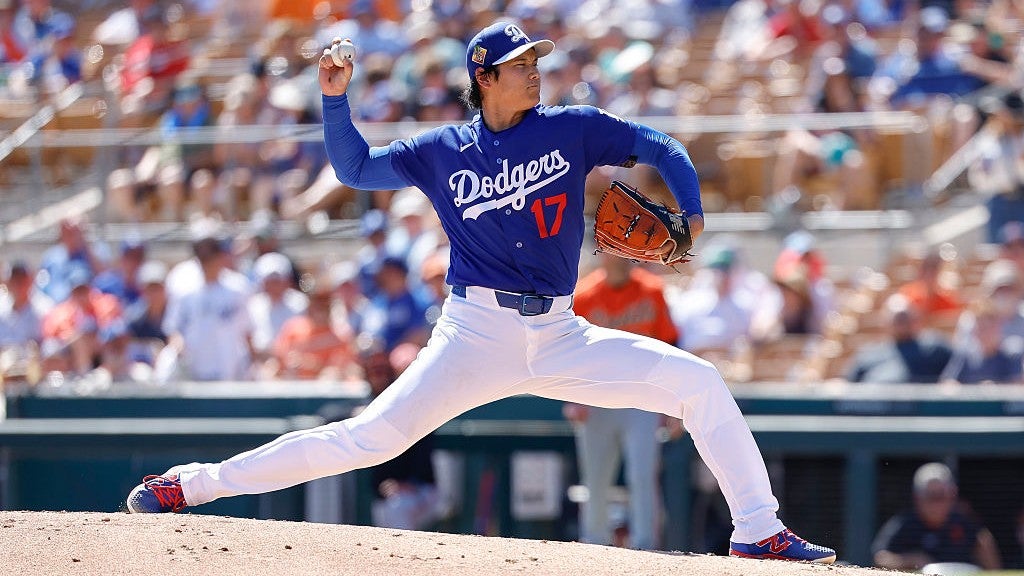
The Los Angeles Dodgers have secured five new Japanese sponsorships—Kosé Corporation, ITO EN, JTB, Hakkaisan, and Tokyo Electron—totaling $6.40 million annually, a direct result of signing Shohei Ohtani in December 2023, according to industry sources.
Ohtani’s arrival has transformed the Dodgers into a focal point for Japanese brands seeking access to the lucrative U.S. Market and a connection with a global fanbase. ITO EN, a Japanese beverage company, exemplifies this trend, maintaining three separate agreements with MLB, Ohtani himself, and the Dodgers, valued at a combined $8.63 million annually. This reflects a deliberate strategy to expand its brand presence in the U.S., linking Japanese tea heritage with American wellness trends.
The impact extends beyond financial gains. Kosé’s extended sponsorship incorporates visual elements tied to Ohtani’s on-field performance, even as Hakkaisan secured the role of the Dodgers’ exclusive sake partner, enabling co-branded products and activations within Dodger Stadium and throughout Southern California retail locations. These partnerships are designed to resonate with fans both in Tokyo and Los Angeles.
This surge in Japanese investment signals a potential long-term shift in the Dodgers’ commercial strategy. The team is increasingly focused on deepening its appeal in Japan through multilingual marketing, Japan-focused stadium events, targeted merchandise, and product collaborations. The “Ohtani effect” appears to be more than a temporary boost, representing a sustainable pathway to revenue growth and fan engagement across the Pacific.
Similar dynamics are unfolding with LAFC and South Korean superstar Son Heung-min. In February 2026, LAFC announced a partnership with the Seoul Tourism Organization, valued at $0.6 million for the year, placing the “Seoul My Soul” brand on Apple TV broadcasts and stadium signage. A December 2025 deal with Paris Baguette, worth approximately $0.5 million, further demonstrates the growing interest from South Korean businesses.
Son’s impact mirrors his success at Tottenham Hotspur in the English Premier League, where his presence led to commercial partnerships with six South Korean companies, including Samsung and LG Electronics. Spurs similarly began playing preseason games in South Korea, highlighting how a single athlete can significantly expand a club’s commercial reach. LAFC has experienced increased attention from Korean media and fan communities, with Son-related merchandise quickly selling out.
LAFC’s contract with Son through 2027, with options extending to 2029, provides a multi-year opportunity to build a sustained commercial strategy in South Korea, potentially including additional partnerships, localized content, retail distribution, and community activations.
Beyond the Dodgers and LAFC, Asian brands are increasing their presence in the broader Los Angeles sports market. Japanese automotive and technology companies like Toyota/Lexus, Sony, Bridgestone, and Toshiba have renewed or expanded partnerships with teams such as the Rams, Chargers, Lakers, Kings, and Clippers. South Korean food and lifestyle firms are also targeting LA’s diverse fan base, as evidenced by CJ CheilJedang’s Bibigo deal with the Lakers, a five-year, $100 million jersey patch sponsorship.
These trends suggest that Los Angeles sports sponsorships are increasingly driven by non-endemic Asian brands seeking deep engagement, leveraging athlete visibility, cultural storytelling, and identity-based marketing. This is driving up sponsorship values as the market becomes more global and emotionally resonant.