
Marseille, France – La Provence, a regional daily newspaper based in Marseille, is leveraging artificial intelligence to revitalize its offerings and attract younger audiences grappling with news fatigue. The publisher launched “La Provence Audio” in late September 2025, a suite of AI-powered audio products designed to transform traditional written journalism into an immersive listening experience.
The move comes as traditional news outlets face declining readership among younger demographics and a growing sense of frustration with the constant news cycle. According to Marie-Béatrice Vinit, Subscription and Distribution Manager at La Provence, 51 percent of French citizens report experiencing news fatigue. However, audio formats are gaining traction, with 22 percent of those aged 15 to 24 listening to podcasts daily.
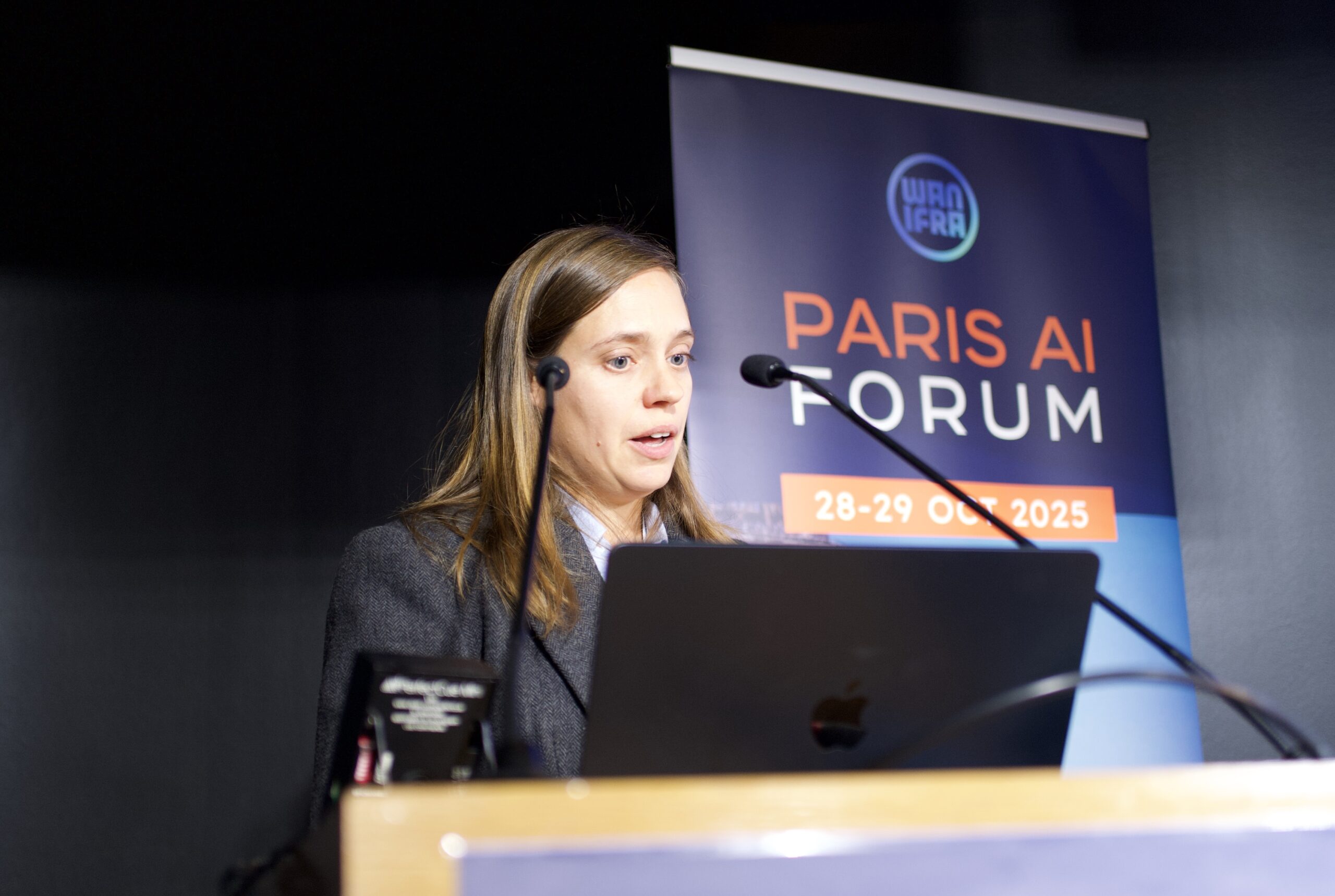
Founded in 1944, La Provence currently reaches 450,000 readers daily across eight editions in three southern French counties. While its core readership remains loyal, It’s aging, consisting primarily of men over 70 who purchase the physical newspaper daily, Vinit explained at WAN-IFRA’s Paris AI Forum.
La Provence was acquired by CMA Media, France’s third-largest private media group, in 2022. This acquisition provided the necessary investment for the audio strategy, capitalizing on synergies within CMA Media’s portfolio, which includes television news channels and other digital publications.
The La Provence Audio offerings include four distinct products: “Listen to my article,” providing both long and shortened audio versions of stories; “Top headlines,” offering hourly news summaries; “Topic highlights,” curating content around specific themes; and a personalized audio digest tailored to individual user interests. These products are available on La Provence’s website and app, as well as on Apple’s CarPlay and Android Auto.
To create the automated audio, La Provence partnered with the French AI lab Kyutai to clone the voices of two actors, rather than relying on synthetic voices. Vinit emphasized that the resulting voices sound authentic and possess “a kind of human touch.”
The launch was accompanied by a promotional campaign including posters, radio advertising, and social media. While the team initially considered using voices with a local accent, they ultimately opted for a more “neutral” French accent for broader appeal.
The decision to use actors’ voices was partly driven by a desire to avoid potential friction with the newsroom, Vinit said. However, journalists ultimately expressed enthusiasm for the project, with many volunteering their own voices for cloning.
The system powering La Provence Audio processes articles through over 100 automated rules, including a separate ruleset for “audio atmosphere” like jingles and pauses. For personalized audio, the system utilizes a model from the French AI company Mistral for intelligent search and personalization. Admin tools allow journalists to review and edit audio outputs, correcting potential mispronunciations.
Initial reader surveys conducted since the September launch indicate a positive reception, with 80 percent of respondents expressing satisfaction with the audio products. Readers particularly appreciated the quality of the voices and the ability to combine audio with reading the traditional newspaper format.
La Provence has already added an audio version of the daily editorial from its Editor-in-Chief, Olivier Biscaye, and made it available on streaming platforms like Spotify. Further audio content is planned, and the publisher intends to scale its reach through these platforms.
Monetization strategies are currently under consideration. While the initial plan was to place the audio products behind a paywall, La Provence ultimately decided to create them freely available. Vinit stated the team is now evaluating options such as programmatic advertising to generate revenue.
